
Incorporating Latin Dance Fitness into Rehabilitation Programs
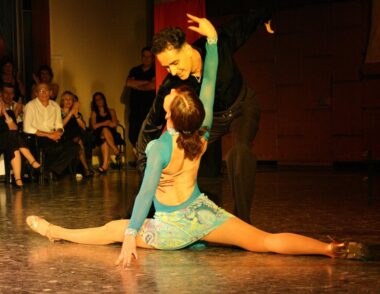
Latin Dance fitness presents a vibrant and rhythmic way to enhance physical rehabilitation. By blending traditional rehabilitation techniques with the dynamic movements of Latin dance, patients can engage in enjoyable fitness activities without feeling constrained. Latin dance styles, including Salsa, Merengue, and Bachata, offer diverse motion patterns that can improve flexibility and coordination. Engaging in dance can significantly elevate a patient’s mood, instilling motivation to complete rehabilitation exercises. When these enjoyable elements are integrated, exercise becomes a delightful experience rather than a chore. The upbeat music associated with these dances also assists in creating an energetic atmosphere. Rehabilitation programs can be tailored to accommodate various physical abilities and fitness levels, making this adaptable approach effective for a wide range of individuals. Participating in social dances adds an element of connectivity, allowing patients to bond over shared experiences. Studies show that incorporating music and dance in therapy helps reduce pain perception and enhance overall body awareness. Thus, Latin Dance not only promotes physical improvements through movement but also supports emotional well-being, essential in any recovery process.
The Benefits of Dance in Rehabilitation
Incorporating dance in rehabilitation programs fosters an environment of collaboration, engagement, and improvement. Research indicates that dance improves balance, strength, and coordination, crucial for rehabilitation patients. For instance, the coordination required in Latin dance helps patients relearn motor skills that may have been lost due to injury or illness. Dance routines are diverse, allowing for creativity and personalized adjustments depending on the patient’s progress. Importantly, research suggests that when patients engage in enjoyable physical activity, they are more inclined to stick with their rehabilitation plans. Regular participation in dance aids cognitive function, which can be particularly beneficial for patients recovering from strokes or traumatic brain injuries. By rhythmically moving to music, patients can improve their cognitive processing as they learn and repeat dance steps. Moreover, social interaction fosters a supportive network among participants, which can significantly enhance the healing process. Engaging with others through dance motivates patients, promoting a sense of achievement. This environment also allows caregivers and health professionals to observe patient progress more effectively. Consequently, the integration of Latin dance into rehabilitation can significantly enhance patient outcomes.
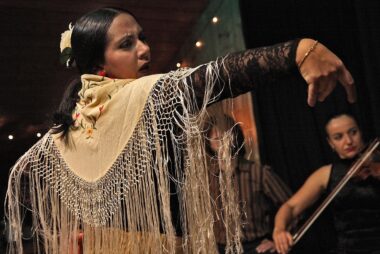
Furthermore, integration of cultural elements through Latin dance enriches the rehabilitation experience. Latin dance not only provides physical benefits but also a connection to cultural heritage. For many, engaging in dances reflective of their culture can spark emotional healing and positive memories. This is particularly poignant for older adults who might have adult children or grandchildren participating in similar dance activities. By joining classes or group sessions, patients are not only practicing their motor skills but also celebrating their identity through movement. Such involvement can foster a sense of belonging that is vital for emotional recovery. Studies confirm that integrating cultural activities within physical rehabilitation leads to higher satisfaction and engagement levels among patients. Additionally, the inclusion of rhythmic elements challenges patients to improve timing and coordination, enhancing their recovery experience. This approach also serves to educate patients on dance history and styles, thereby broadening their appreciation for interdisciplinary connections. Overall, Latin Dance can emerge as a bridge linking physical rehabilitation with identity, emotional health, and personal cultural expression.
Dance fitness, particularly Latin dance, engages a variety of muscle groups throughout the body, promoting strength and flexibility concurrently. Each dance style offers unique movements that target different physical capabilities, contributing to a well-rounded fitness routine. For instance, Salsa requires rapid footwork, which can improve ankle strength, agility, and overall stability. On the other hand, the hip movements inherent in Merengue contribute to core strength and flexibility in the lower back, essential for many rehabilitation patients. Furthermore, dance involves multiple planes of motion. This multidirectional movement prevents muscle stiffness often seen in patients who perform typical rehabilitation exercises under conventional settings. The joyful aspects of dance set it apart, as patients can experience a natural release of endorphins, often dubbed the ‘feel-good hormones’, promoting an overall sense of well-being crucial in recovering from ailments. By focusing on fun and social interaction, patients are encouraged to push their limits gently without feeling overwhelmed. Engaging in these various forms of movement can help maintain motivation for participants, leading to more consistent rehabilitation practices. Thus, the blend of fitness and enjoyment enhances healing outcomes.
Creating Structured Latin Dance Programs
To effectively incorporate Latin dance into rehabilitation programs, structured classes tailored to individual skill levels are essential. Programs must be designed to progressively introduce dance elements, accommodating varying physical abilities and closer monitoring of progress over time. Initial phases might focus on basic steps, allowing participants to build foundational skills without overwhelming them. As confidence builds, the dance routines can advance in complexity, encouraging an increase in physical challenge and participation. Classes can be adaptable, allowing modifications for those with mobility issues or injuries while still offering dynamic movement opportunities. Incorporating different Latin dance genres provides variety and taps into diverse interests, ensuring a broad appeal. Additionally, incorporating feedback loops, where participants express preferences for music or dance styles, can enhance program satisfaction. Regular social events featuring dance showcases can motivate participants, creating opportunities for celebrating achievements. The importance of a supportive and encouraging environment cannot be underestimated, as it fosters continued participation. Engaging certified dance instructors skilled in rehabilitation techniques is crucial for safe practices and promoting effective healing through movement. Creating a supportive community around dance fosters lasting relationships and shared experiences among individuals and healthcare professionals.
Moreover, technology can enhance Latin dance integrations in rehabilitation by using apps or online classes to customize programs. Patients can access dance fitness resources, follow along with instructional videos, and track their progress. This easily accessible platform encourages continuous engagement even outside structured classes or sessions. Virtual dance classes allow patients to participate in familiar routines from the comfort of their own homes. These options promote flexibility while catering to individual circumstances. They enable patients to feel connected to the larger rehabilitation community, even if they cannot participate in-person due to mobility or health conditions. Advanced technologies can also provide real-time feedback, analyzing how well dance movements are executed, which is valuable for improving techniques and overall outcomes. Opportunities to record and replay personal dance sessions foster self-assessment, motivating individuals to set personal goals. Furthermore, integrating online interactions through social media platforms can introduce peer-to-peer support mechanisms. Connectivity with others dealing with similar rehabilitation journeys can enhance motivation and accountability. This hybrid model of in-person and digital sessions can accommodate different learning preferences while continually energizing the rehabilitation experience.
Conclusion: The Future of Dance Fitness in Rehabilitation
In summary, Latin dance fitness emerges as a promising approach to rehabilitation, seamlessly integrating physical, emotional, and social benefits. Future research should explore long-term outcomes and efficacy of these innovative practices within clinical settings. As the understanding of how different modalities can promote recovery expands, Latin dance can become a staple in multidisciplinary rehabilitation programs. The fusion of physical activity and cultural engagement sets Latin dance apart, transforming conventional rehabilitation methods into creative, individualized experiences. Ultimately, personalizing programs that integrate this dynamic fitness form can lead to improved patient motivation and outcomes, fostering healthier lifestyles long after therapy has concluded. Encouraging healthcare professionals to continue exploring the benefits of dance within therapeutic settings will likely yield innovative practices that blend enjoyment with efficacy. The expansion of dance fitness programs into standard rehabilitation protocols can create an enriching experience for patients as they navigate their recovery journeys. As the world adapts to progressive rehabilitation methodologies, the incorporation of Latin dance fitness holds the potential to revolutionize how we approach physical recovery, enhancing quality of life for many.