
Understanding Resistance Bands
Resistance bands are excellent tools for enhancing workouts and building core strength. They provide varied resistance levels, translating into versatile workout variations. Selecting the right resistance band is crucial for maximizing core exercises’ effectiveness. Initially, it’s best to start with a light resistance band to master forms and techniques without straining muscles. Once a baseline strength is established, gradually increase the resistance for optimized results. This progressive overload principle not only cultivates muscle strength but also improves endurance over time. For beginners, it’s essential to engage in controlled movements to avoid injuries during exercises. Strain is responsible for most injuries during resistance band workouts. Consistently focusing on proper form ensures that you not only maximize the benefits but also minimize unwanted injuries. As you grow stronger, consider incorporating different band positions and angles to target all core muscle areas efficiently. Adjusting band alignment can also alter the intensity of workouts. Overall, incorporating bands into core exercises aids significantly in improving overall core stability and strength. For beginners, consider watching videos or consulting trainers to enhance your understanding of effective resistance band applications and their benefits for core strengthening routines.
As you progress, transitioning between band strengths is vital for consistent improvement. Begin by determining your current capabilities and gradually work on enhancing them. Start with lighter resistance and increase when comfortable. This ensures that your muscles adapt and grow stronger without facing undue strain or risk of injury. Regularly assess your progress and make adjustments according to how your body responds to various resistance levels. Utilizing multiple bands can provide excellent variation, allowing workouts to remain engaging. Incorporating exercises like seated rows, Russian twists, and standing core rotations with resistance bands can enhance your core workouts. Incorporating resistance band training helps target stability while providing consistently adjustable resistance. Additionally, focusing on functional movements with resistance bands can improve daily activities. For further improvement, consider maintaining a regular workout schedule that emphasizes core training at least twice weekly. Coupling resistance band exercises with other modalities like body weight can optimize strength development. Aim for 30-45 minutes per session, ensuring that you take breaks between exercises. Keeping a workout journal might help monitor progress efficiently. This practice bolsters self-motivation and provides insights on necessary adjustments as your fitness journey continues.
Choosing the Right Resistance Level
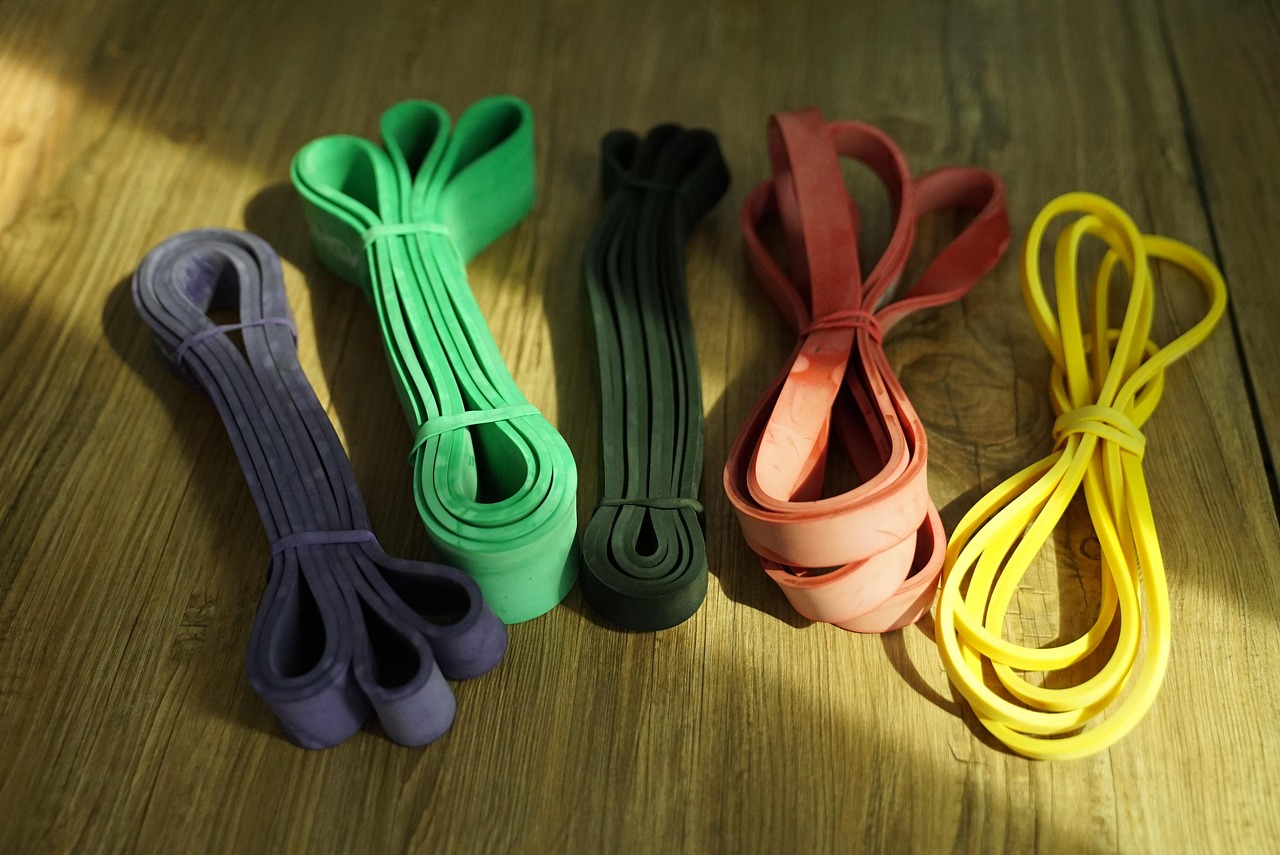
The resistance level of your bands should match your exercise goals and personal ability. Selecting bands that feel comfortable while still providing a challenge is essential. A good rule of thumb is to use a band that allows for 8-12 repetitions while maintaining proper form throughout each movement. If you can easily perform more than the prescribed repetitions, it may be time to upgrade to a higher resistance level. Conversely, if you struggle to complete the target repetitions, it’s a clear indicator that you should use a lighter band. Experimenting with different resistance bands can help determine what works best for you. Consistently monitor personal performance levels; adjusting your bands based on any improvements can also enhance motivation. Not only does it promote continual engagement but growth leads to long-lasting health benefits. Resistance bands are designed differently, featuring various thicknesses and lengths. Assessing which band feels appropriate during core exercises ensures maximum effectiveness. For best results, you can combine different band types for strength-building workouts. As you challenge your body further, increasing the resistance can provide the necessary stimulation for optimal muscle growth.
Incorporating exercises into a structured routine plays a significant role in effective core training. Start with fundamental movements before progressing to more complex routines as your strength improves. Consistency in your workouts is essential for enabling your body to adapt to new resistance levels over time. Establish clear routines that focus on working various muscle groups in the core, ensuring that all areas get adequate attention throughout your training cycle. Maintain a weekly schedule targeting core strengthening and integrate rest days as necessary for recovery. Remember that recovery is, in fact, part of the progress. Balancing workouts with ample rest ensures your muscles repair and grow stronger effectively. Overtraining can lead to burnout and injury, dramatically affecting progress. Enjoy your resistance band workouts by incorporating fun challenges and monitoring progression to boost your motivation. Setting specific training goals, whether they be aesthetic, strength-based, or endurance-related, will help you know the resistance levels to use further effectively. Also, you can consider ascertaining your goals before starting training. This will lead to responsible band selection, maximizing all the advantages resistance bands offer during core strengthening routines.
Safety Tips When Using Resistance Bands
Ensuring safety when utilizing resistance bands is imperative, especially for beginners. Regularly inspect your bands for any signs of wear and tear, such as fraying or stretching. A damaged band may snap during workouts, leading to potential injuries. Always have a clear space around you when engaging in resistance band exercises, eliminating hazards that might cause accidents. When performing exercises, ensure that the band is securely attached to prevent it from slipping and causing unwanted strain. Developing proper technique from the beginning helps to avoid unnecessary injuries during your resistance workouts. Additionally, ensure that the exercises you are performing are appropriate for your fitness level. Engaging in advanced moves without adequate prep can lead to strain. Consider engaging in warm-up exercises before starting your training routine. Warming up prepares your muscles and limits injury risks. Be attentive to your body signals, easing off when you feel discomfort. Gradually advance intensity as your strength improves and take longer recovery periods when operating heavier bands. By following these guidelines, you can continue to enjoy resistance band workouts while promoting maximum effectiveness and overall safety.
As you become more familiar with resistance bands, integrating various exercises will keep your workouts fresh and engaging. Focus on including diverse core-targeting exercises to enhance strength without becoming bored. Resistance band workouts can include moves like plank holds, bicycle crunches, and even reverse crunches, which effectively engage the entire core. Variations in movements also help maintain a well-rounded routine. While practicing movements, monitor your form closely to avoid bad habits developing over time. Regularly mixing in these different exercises can assist in targeting all aspects of your core. Moreover, working with a partner or finding classes can offer fresh perspectives while enhancing enjoyment. Seek guidance from instructors or trainers well-versed in resistance training if necessary. They can provide insights into the best practices and assist in developing personalized routines to help meet your specific fitness goals. It might also help keep you more motivated and accountable. Exploring online resources might also be beneficial. Having a guideline designed specifically for resistance bands can keep things straightforward and efficient for you. Enhancing your fitness experience becomes more facilitated when utilizing variety during your resistance band workouts as you challenge yourself progressively.
Conclusion: Progressing Safely
In summary, progressing resistance levels in your resistance band workouts can safely enhance core strength significantly. By initially starting with lighter bands, focusing on proper form and technique, and gradually increasing resistance, your training will be effective. Establishing a clear routine that incorporates monitoring progress and regularly adjusting resistance is key to achieving set goals. By ensuring adequate safety measures are taken, the risk of injury decreases substantially, allowing continued growth in strength and endurance. Furthermore, incorporating a mixture of exercises maintains engagement levels while enhancing multiple muscle groups. Celebrating small victories while tracking personal improvements aids motivation and consistency, crucial for any fitness journey. The integration of resistance bands fosters a path for achievable growth in core strengthening. As you advance, combining resistance bands with other fitness methodologies can further maximize functional fitness levels during daily activities. Embrace the journey of strengthening your core with determination and awareness. With diligence, you’ll witness significant improvements in strength, stability, and overall fitness levels. Ultimately, consistency and dedication during your workouts will serve as a guide toward achieving optimal core strength with resistance bands safely.
References
To enhance your knowledge about resistance band exercises and core strengthening techniques, consider consulting credible resources. Various studies emphasize the effectiveness of resistance bands in building muscle and improving stability. Influential works such as “Strength Training for All Ages” by the American College of Sports Medicine provide deep insight into resistance training’s principles. Online platforms also offer diverse perspectives, illustrating workouts using bands. Websites like Men’s Health contain practical exercises and tips for applying resistance bands in core workouts. The American Council on Exercise is another valuable resource, showcasing effective techniques. You can also explore apps designed specifically to assist you, offering customized routines based on resistance levels. Remember that, as with any fitness program, consulting a professional for personalized guidance is advisable. Enjoy your adventures and discoveries within resistance band training. Use these references to cultivate a safer, more productive journey toward elevated strength and fitness!