
How Cycling Outdoors Enhances Vitamin D Levels and Supports Brain Health
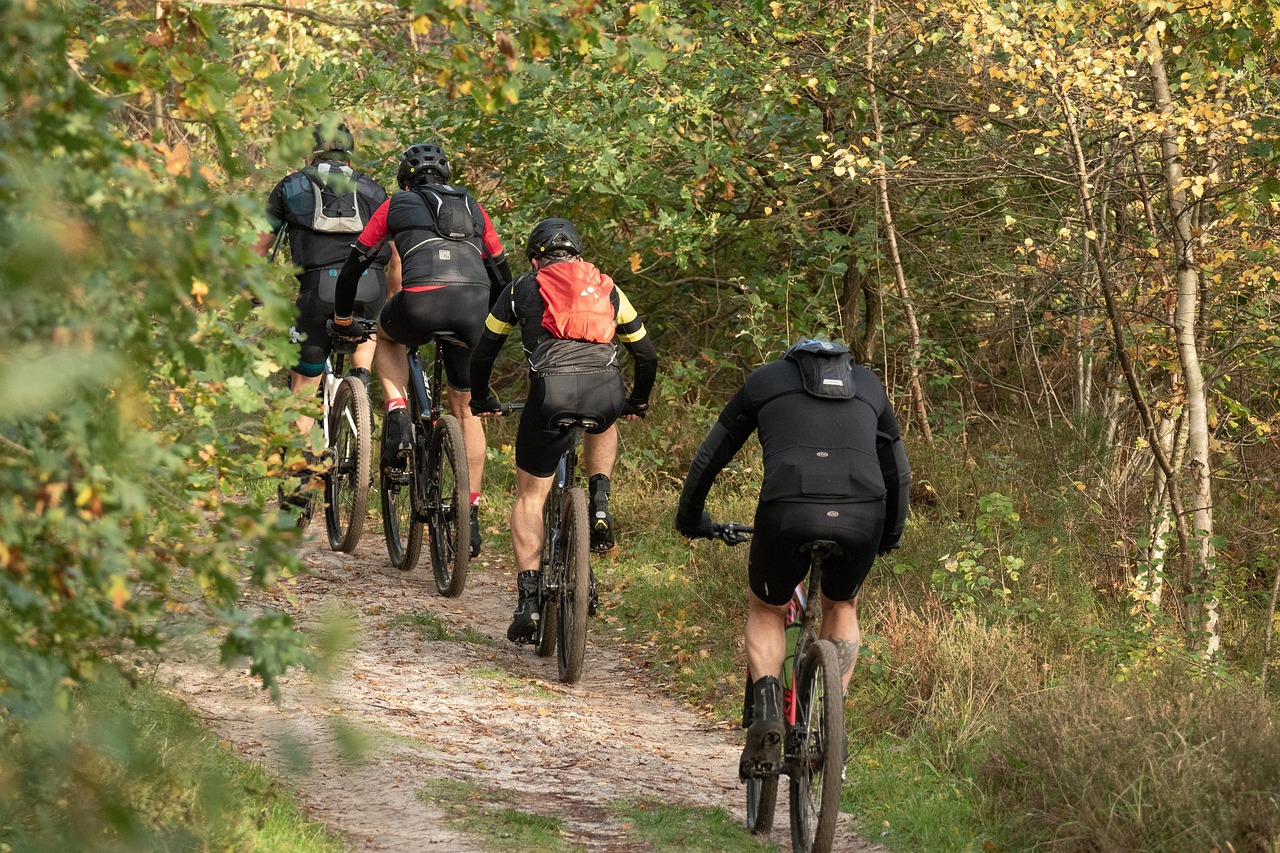
Cycling outdoors is an enjoyable activity that not only contributes to physical health but also significantly enhances mental well-being. Engaging in cycling allows individuals to soak up natural sunlight, which is essential for the body to produce vitamin D. This vital nutrient is important for maintaining strong bones and a healthy immune system. Moreover, vitamin D plays a critical role in brain health by assisting with cognitive functions. Studies indicate that regular exposure to sunlight can improve mood and decrease depressive symptoms. Outdoor cycling provides that vital exposure while allowing individuals to enjoy fresh air and nature’s beauty. Typically, the experience of cycling outdoors leads to increased endorphin levels, giving riders a natural high that alleviates stress and anxiety. Additionally, the rhythmic nature of cycling can lead to a meditative state, helping to clear the mind. Many find cycling to be a way to disconnect from everyday stressors while connecting with their inner selves. It’s this combination of physical activity and mental tranquility that makes cycling a unique advocate for overall health and wellness.
The Role of Vitamin D in Mental Health
Understanding the role of vitamin D in mental health is crucial when exploring the benefits of outdoor cycling. Research suggests that low vitamin D levels are linked to various mood disorders, including depression and anxiety. The brain possesses receptors for vitamin D, indicating its importance for brain function. By cycling outdoors and allowing sunlight to stimulate vitamin D production, individuals might improve their mental health outcomes. Various studies show that vitamin D can potentially support neurotransmitter function, which is vital for mood regulation. Optimized vitamin D levels also contribute to the reduction of inflammation, which has been associated with mood disorders. Therefore, enhancing vitamin D status through outdoor activities like cycling can provide a double benefit: promoting physical health and mental clarity. Encourage cycling as a routine activity, as this not only promotes physical fitness but also acts as a preventive measure against mood-related disorders. Simply, a few rides each week in the daylight can lead to significant improvements in both emotional and physical well-being. Through regular outdoor cycling, individuals might find they are better equipped to handle life’s challenges.
Cycling outdoors encourages better mental focus through its combination of physical exercise and natural surroundings. Research emphasizes the relationship between physical activity and cognitive function. Engaging in outdoor cycling allows one to step away from the distractions of daily life, offering clarity and focus. During cycling, the rhythm of pedaling stimulates the production of endorphins, which promote an enhanced sense of happiness. Furthermore, being surrounded by greenery and engaging with natural landscapes during a ride can elevate mood significantly. Nature exposure has been shown to decrease feelings of stress and enhance cognitive performance by improving attention span and memory. These beneficial effects are essential for individuals who seek ways to improve their productivity and mental resilience. Cycling in the great outdoors helps to consolidate the connection between mind and body. It becomes an adventure that enriches the cycling experience, allowing individuals to appreciate every journey and build a meaningful relationship with fitness. The benefits, therefore, extend beyond mere exercise, promoting a sense of well-being that resonates throughout various aspects of life.
Outdoor Cycling and Stress Reduction
Outdoor cycling offers an outstanding opportunity to reduce stress significantly. The act of cycling in nature has therapeutic effects, helping individuals transition from tension to relaxation. Stress is a common issue that affects many people in today’s fast-paced society, which can lead to various health problems, both mental and physical. By engaging in outdoor cycling, individuals can escape the daily grind and immerse themselves in the soothing environment of nature. One of the primary benefits of cycling is its ability to release endorphins, which serve as natural stress relievers. As riders focus on the path ahead and take in their surroundings, they often find a meditative rhythm takes over, enabling them to let go of worries. Moreover, cycling outdoors fosters social connections when done in groups, further alleviating feelings of loneliness and isolation. Joining local cycling clubs can enhance the overall experience while providing camaraderie, encouragement, and support. All of these factors contribute to an effective toolbox for reducing stress and improving one’s quality of life.
One significant aspect of cycling is its boost to overall physical fitness, which directly impacts mental health. Regular cycling enhances cardiovascular health and strengthens muscles, contributing to weight management and increased energy levels. Improved fitness can lead to increased self-esteem and confidence, further enhancing mental well-being. As individuals develop cycling into their routine, they may notice a contouring effect on their body and a reduction in health risks. Improved physical health translates into profound changes in mood and motivation. Engaging in outdoor cycling fosters a sense of achievement that is often lacking in other forms of exercise. The goal of completing long rides or mastering new trails provides a framework for personal growth. Additionally, cycling can be adapted to different fitness levels, allowing everyone to participate regardless of experience. As riders reach their fitness goals, they simultaneously improve mental resilience, which can be beneficial during challenging times. Consequently, the advantages of cycling extend beyond the physical realm, enriching the mental landscape and promoting a well-rounded lifestyle.
Building Healthy Habits with Cycling
Establishing a routine is vital for harnessing the full benefits of cycling and enhancing mental health. Creating a cycling schedule ensures consistency, helping individuals develop healthy habits over time. Consistency is key in forming habits, whether it be cycling alone or with friends, as this promotes accountability and motivation. Setting achievable goals and gradually increasing the level of difficulty can significantly impact self-efficacy, leading cyclists to push beyond their limits. Regular cycling can become a cornerstone for healthier lifestyle choices, influencing dietary habits and overall mindfulness. By incorporating cycling into their week, individuals might find they are more conscious of their health in general. Participating in cycling events or challenges can also inject excitement into the routine, making it more enjoyable and engaging. These experiences may lead to new friendships and social networks, promoting community involvement and emotional support. Consequently, this cycle of healthy behavior fosters a positive feedback loop, wherein physical activity begets mental well-being, and mental well-being promotes physical activity. Cultivating such mindful habits through cycling allows individuals to lead balanced, fulfilling lives.
In conclusion, cycling outdoors serves as a vital method for enhancing both vitamin D levels and overall mental health. The benefits extend from physical fitness improvements to significant mental wellness advantages. Outdoor cycling promotes exposure to sunlight, leading to higher vitamin D production, crucial for mental health. Additionally, cycling serves as an exciting way to de-stress and find emotional balance amidst life’s challenges. The activity fosters not only physical resilience but builds mental strength and clarity through goal setting and routine establishment. Many people may find their creativity enhances when they cycle outdoors, as the blend of physical exertion and nature creates a revitalizing experience. The significant impact that cycling has on mental health is backed by research highlighting the numerous benefits gained from engaging in physical activities. It is essential to advocate for cycling as a positive lifestyle choice. As communities promote cycling through improved infrastructure and events, individuals will have even more opportunities to experience these benefits. Ultimately, cycling outdoors is an enjoyable and rewarding way to support brain health and cultivate a thriving lifestyle.