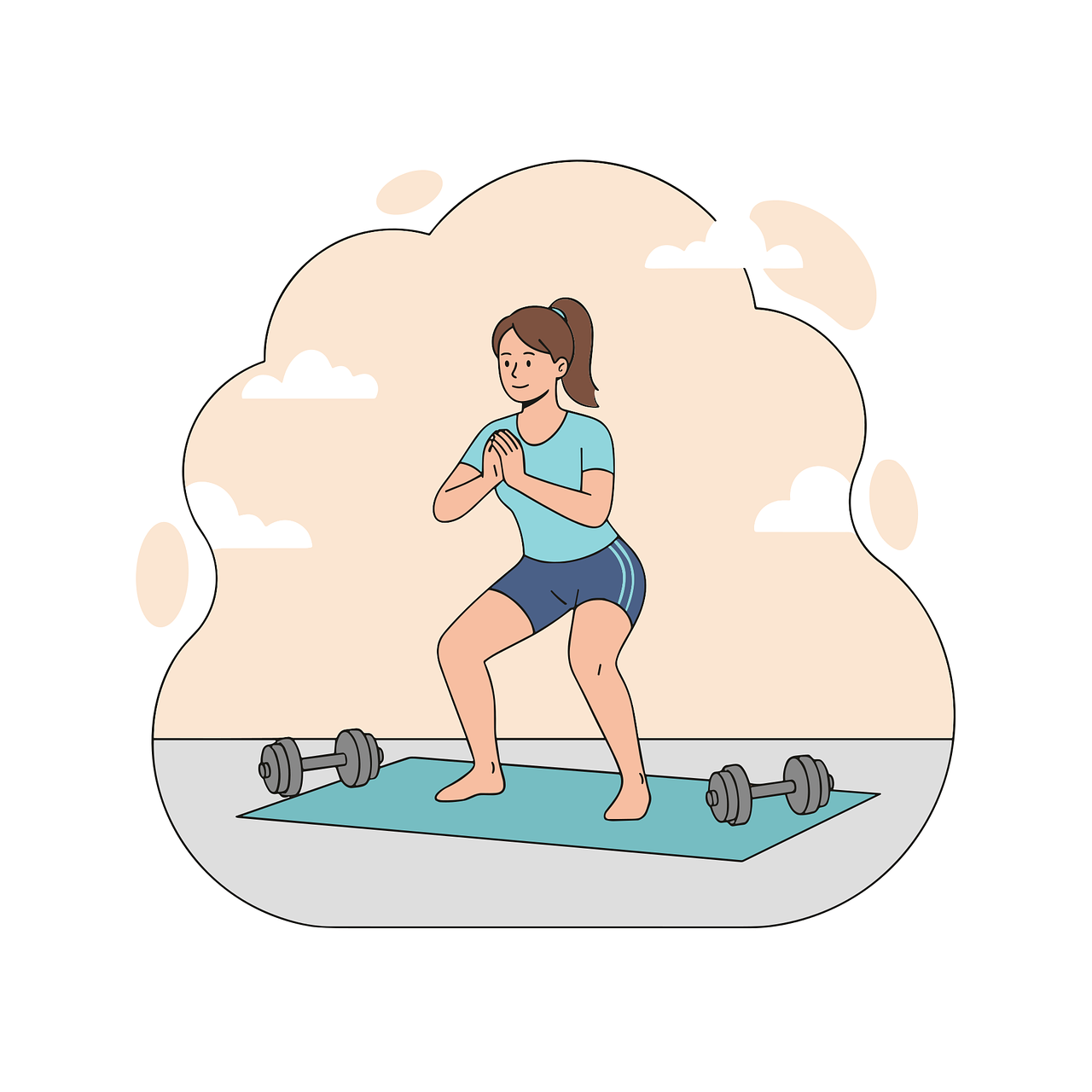

Resistance Band Workouts for Lower Body Strength
Resistance band workouts are an effective addition to any fitness routine, especially for targeting lower body strength. These bands come in various resistance levels, making them suitable for beginners and advanced lifters alike. Lower body exercises using resistance bands can help enhance muscle endurance, flexibility, and stability. Moreover, they also contribute to joint health by enabling controlled movements. You can perform various exercises, such as squats and lunges, which activate multiple muscle groups simultaneously. Circling back, the resistance band provides consistent tension, allowing muscles to work harder during both the concentric and eccentric phases of the movement. This results in improved overall strength and tonus. Resistance band workouts also enhance coordination and balance, particularly important for functional fitness. This form of training can be easily integrated into a regular gym routine or performed at home. As a bonus, they are portable, making it easy to stay active while traveling. Coupled with a balanced diet, resistance band workouts can yield impressive gains in lower body strength. Try incorporating them into your workout regimen and observe the benefits they bring to your fitness journey.
Benefits of Resistance Bands for Lower Body Workouts
One of the primary benefits of resistance bands is their versatility in lower body workouts. They allow for a variety of exercises that target muscles like the quads, hamstrings, glutes, and calves. With bands, you have the option to increase resistance gradually, providing a tailored workout experience. Additionally, resistance bands are low-impact, making them suitable for individuals recovering from injuries. The elastic nature of the bands minimizes joint strain while still challenging the muscles. This makes resistance bands an attractive option for all age groups and fitness levels. Furthermore, using bands requires engaging stabilizer muscles, promoting functional strength. By working these smaller muscles, you can enhance overall athletic performance and prevent injuries. In terms of convenience, resistance bands do not take up much space, making them perfect for home workouts or taking to the gym. They can also be combined with weights for an extra challenge. Overall, incorporating resistance bands into lower body strength training can lead to improved muscular balance, stability, and injury prevention. Embrace the variety and challenge they offer to enhance your fitness routine.
Another compelling aspect of resistance band workouts is their effectiveness in performing compound movements. Exercises such as resistance band squats and deadlifts work multiple muscle groups simultaneously, maximizing your time and effort. These compound movements boost overall strength and engage your core, which is essential for stabilizing the body during movement. Furthermore, bands encourage proper form through controlled resistance, minimizing the risk of injury as you perform complex movements. Engaging the core during exercises will catalyze a stronger lower body while improving posture and alignment. The bands can be used for both upper and lower body exercises, making them ideal for full-body strength workouts. You can easily transition between different body parts without needing equipment changes. For instance, you can do bicep curls right after leg presses without leaving your workout spot. Understanding how compound movements work with resistance bands can give your workouts a fresh perspective, allowing you to explore new ways of training. Add variety to your workouts by embracing these full-body compound movements to pump up your lower body training and enhance overall functionality.
When executing lower body workouts with resistance bands, focusing on form is paramount. As with any exercise, utilizing proper technique will ensure safety and effectiveness, allowing for optimal results. Start with lighter resistance to acclimate your muscles and joints to the movements. As strength builds, progress to bands with more tension. Common lower body exercises such as glute bridges, lateral band walks, and clamshells can be performed with perfect form while utilizing bands. Ensure your knees track over your toes to avoid strain when squatting or lunging. Keeping your back straight will help maintain posture and avoid injuries. Additionally, use your arms to provide stability, especially when incorporating multi-directional movements. Breathing plays a pivotal role when exercising; remember to exhale during exertion and inhale during relaxation. Integrating pauses and controlled movements can further enhance muscle engagement during each repetition. Don’t rush through your sets; instead, savor each movement to maximize the benefits of the workout. By prioritizing proper form and technique, resistance band workouts can lead to significant lower body strength improvements and functional benefits.
Popular Resistance Band Exercises for the Lower Body
There are a myriad of resistance band exercises you can include in your lower body workouts. Popular choices include banded squats, which enhance leg and glute strength effectively. Perform them by placing the band above your knees, stepping shoulder-width apart, to create added intensity. Another great exercise is the banded lateral walk, activating your hip abductors and glutes. Simply place a band around your legs and walk side to side, maintaining tension throughout the movement. Furthermore, glute bridges can be amplified by adding a band just above the knees, making the exercise even more challenging. This not only engages the glutes but also provides excellent core stabilization. Clamshells with resistance bands are yet another staple move that targets the outer thighs and glutes, promoting hip mobility. They can be executed by lying on your side with a band placed around your thighs while keeping your feet together. Each of these exercises can significantly contribute to your lower body strength while keeping workouts fresh and engaging. Choose the right bands and get ready to feel the burn in those hard-to-target areas!
A significant advantage of resistance bands is their adaptability, allowing you to modify workouts based on personal fitness levels. For those new to fitness, beginners can utilize bands with lighter resistance for foundational strength training. You can start with basic exercises, gradually increasing difficulty as strength and endurance improve. Advanced users can challenge themselves further by incorporating more dynamic movements or using multiple bands simultaneously. Keep in mind that band length and positioning can also adjust resistance levels during exercises, fine-tuning the challenge. Another method for achieving a tailored workout is by varying repetitions and sets according to your fitness goals. Whether your aim is hypertrophy, endurance, or strength, resistance bands can accommodate diverse training principles. Mixing and matching different band colors can add variation to your routine while keeping workouts enjoyable. Engaging various muscle groups while performing supersets or circuit training can also spice things up. Make the most out of these versatile tools to not only keep your lower body workouts effective but also to continually stimulate your fitness journey and promote growth.
Integrating Resistance Bands with Other Equipment
To elevate the benefits of your lower body workouts, consider integrating resistance bands with other fitness equipment, such as dumbbells or stability balls. This hybrid approach can produce a more comprehensive conditioning workout that intensifies your training regimen. For example, try combining resistance bands with dumbbell lunges. By holding weights, you can further engage multiple muscles while improving balance and stability. This combination can be adapted for different fitness levels, providing added resistance as strength increases. Additionally, stability balls can enhance core engagement when used in conjunction with resistance bands. Exercises like ball squats challenge your stability, activate your core, and further target your lower body. The combination of these tools ensures optimal muscle activation, helping you achieve your fitness goals more efficiently. Moreover, utilizing bands with various equipment can spark creativity in your workouts, reducing monotony. The freedom to create diverse workout patterns keeps boredom at bay, maintains high motivation levels, and encourages regular participation in fitness activities. Explore these combinations and discover the benefits of fully integrating resistance bands into your broader strength-training routine!
In conclusion, resistance band workouts are instrumental in enhancing lower body strength effectively and safely. They offer numerous benefits and can be adapted to various fitness levels, making them appropriate for everyone. Their versatility ensures that workouts can stay fresh and engaging while promoting consistent progress. By integrating a range of exercises and combining them with other fitness equipment, you can create a well-rounded training regimen that targets multiple muscle groups and boosts overall fitness levels. Remember to prioritize proper form to maximize benefits and reduce the risk of injury. Incorporate exercises that you enjoy, and consider varying your workout routine to maintain enthusiasm and motivation. Additionally, establish a balanced nutrition plan that complements your exercises for optimum results. As you progress on your fitness journey with resistance bands, you’ll likely see improvements in not only lower body strength but also overall functional fitness. Make resistance bands an essential part of your training arsenal, and experience their transformative power in achieving your lower body strength goals. Enjoy the journey as you strive to maintain a healthy and active lifestyle through these dynamic workouts!