
How Mindfulness Can Improve Sports Performance and Recovery
Mindfulness is a powerful tool that empowers athletes to enhance their performance and recovery through focused awareness. By incorporating mindfulness techniques into their training regimen, athletes can improve concentration, reduce anxiety, and boost overall mental well-being. Practicing mindfulness involves being present in the moment and fully engaging with the task at hand. Whether during a training session or a competitive event, athletes can benefit significantly from this approach. For instance, mindfulness practices like deep breathing and body scans can help athletes maintain composure under pressure. Additionally, it promotes better self-awareness, allowing athletes to recognize their physical and mental states. Engaging in mindfulness increases one’s ability to respond skillfully to challenges and distractions. Thus, athletes can achieve a deeper connection with their sport, ultimately enhancing their enjoyment and performance level. Incorporating these techniques into daily training leads to improved resilience against stress and fatigue. As a result, athletes not only maximize their performance but also their recovery time. This holistic approach to sports training is vital for achieving long-term success and sustainable athletic growth, benefiting both mind and body.
The Science Behind Mindfulness in Sports
The integration of mindfulness into sports draws on scientific research that highlights its positive effects on performance. Studies consistently show that mindfulness can enhance cognitive function, leading to improved focus during training and competition. This focus undoubtedly plays a substantial role in sports that require fine motor skills and mental clarity. Athletes practicing mindfulness often report increased feelings of control and reduced performance anxiety. Research has shown that neuroplasticity occurs when individuals engage in regular mindfulness practices, making the brain more adaptable and resilient. This adaptability translates into improved decision-making during crucial moments in competitions. Furthermore, mindfulness fosters emotional regulation, enabling athletes to navigate the highs and lows of their sport more effectively. Developing a mindset that embraces both success and failure can elevate an athlete’s ability to recover after a loss. This approach enhances overall mental toughness, a quality essential for competitive success. In turn, athletes also cultivate compassion towards themselves and others, contributing to a supportive sporting environment. Thus, the science of mindfulness clearly illustrates its profound impact on sports performance and recovery, paving the way for athletes to thrive.
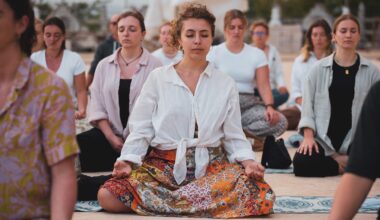
Incorporating mindfulness into sports involves various techniques to optimize an athlete’s mental well-being. Techniques such as meditation, visualization, and mindful breathing help athletes stay present and focused during competition. Meditation, for example, allows athletes to center their thoughts and reduce stress levels. Regularly practicing mindfulness meditation has shown a positive correlation with increased calmness, attention, and emotional balance. Additionally, visualization techniques encourage athletes to mentally rehearse their performance, helping identify areas for improvement. This mental imagery taps into the creative aspects of performance, honing skills even when away from the physical field. Furthermore, mindful breathing is an essential practice that can ground athletes instantly before events. Engaging in deep, controlled breathing can decrease heart rate and promote relaxation, critical during pre-competition jitters. This collection of practices equips athletes with mental tools to face challenges head-on. With discipline and routine, athletes can create a mental framework that not only enhances their skills but also boosts their confidence. Mindfulness isn’t just about improving performance; it’s a pathway to personal growth and fulfillment, allowing athletes to connect more deeply with themselves and their sport.
Mindfulness Techniques for Recovery
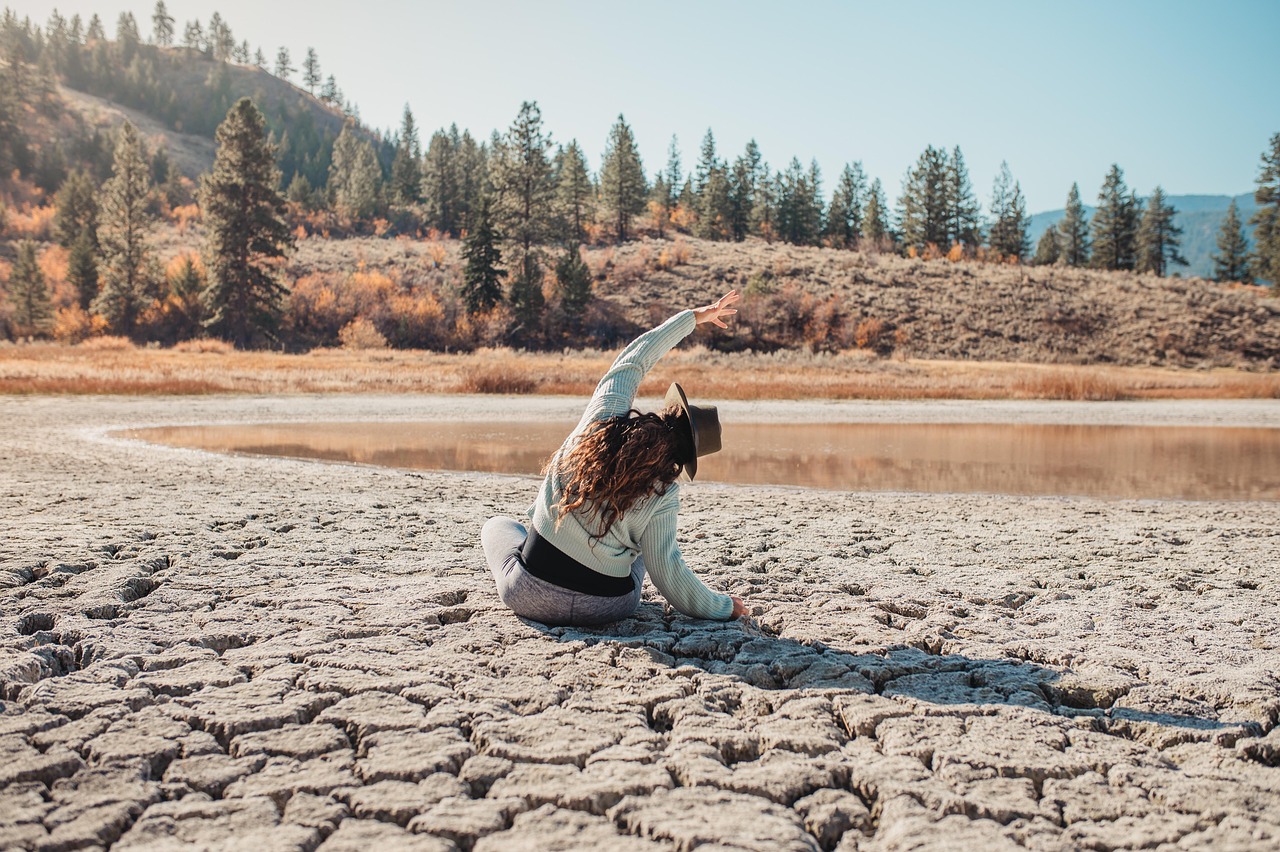
Recovery is as crucial as performance, and mindfulness plays a significant role in this phase of athletic life. Post-training recovery practices fueled by mindfulness can lead to improved muscle rehabilitation and emotional recovery. Mindful stretching, for example, allows athletes to connect with their bodies, feeling tension and easing it through focused movements. This practice not only aids in physical recovery but also promotes mental calmness. Guided imagery and relaxation techniques can further expedite this recovery phase, allowing athletes a moment to mentally regroup. Techniques such as progressive muscle relaxation help in releasing physical tension accumulated during rigorous workouts. Additionally, teaching athletes how to meditate post-workout can have profound benefits. Even short 10-15 minute sessions can lead to deeper relaxation, assisting in faster recuperation from injuries and extreme fatigue. Nutrition plays a role as well; mindful eating habits can significantly enhance recovery, promoting proper hydration and nourishment strategies for muscle repair. Athletes can develop healthier eating patterns by being present during meals. Ultimately, integrating mindfulness into recovery practices results in more comprehensive and sustainable health benefits, paving the way for long-term athletic potential.
The cumulative effects of combining mindfulness with fitness routines have led to countless success stories in sports. Athletes from various disciplines have embraced these practices, resulting in remarkable achievements. They confidently attribute their improved performance to a mindful approach, showcasing that the mind’s clarity and focus absolutely complement physical abilities. Through dedicated practice, athletes have reported better insights into their training habits, identifying weaknesses they may have overlooked before. Mindfulness cultivates a growth mindset, encouraging athletes to evolve and adapt by viewing setbacks as learning opportunities. These essential mental shifts can be life-altering, creating resilience against challenges faced during their athletic journey. The supportive community forming around mindfulness practices in sports also strengthens relationships among athletes. Engaging in collective mindfulness activities fosters bonds and camaraderie, enhancing overall sportsmanship. This shift towards a mindful culture in athletics shifts the paradigm from solely physical performance to a more holistic outlook. By recognizing the intricate relationship between mind and body, athletes can create a more sustainable approach to their sports endeavors. Mindfulness has become an essential companion on the road to athletic success, bringing pure joy and satisfaction to the experience.
Practical Tips for Athletes
Integrating mindfulness into daily routines doesn’t have to be complicated; straightforward techniques can be applied effectively. Athletes should start with short sessions, dedicating just a few minutes each day to practice. Gradually increasing the duration will help build a robust routine. A great starting point is mindful breathing, where athletes focus on their breath flow and aim to quiet the mind. This simple technique can reap significant benefits in energy regulation and anxiety reduction. Additionally, utilizing visualization, while training, enhances focus and prepares the mind for competition. Athletes should visualize every aspect of their performance, turning their dreams into achievable goals. Maintaining a gratitude journal can further cultivate mindfulness by reflecting on daily achievements, however small. These reflections help athletes develop a positive mindset and focus on progress rather than setbacks. Engaging in meditation sessions on rest days can help clear mental fog, optimizing recovery periods. Moreover, supportive accountability partners can also inspire consistency with mindfulness practices, motivating athletes to remain committed. By implementing these practical steps, athletes foster a culture of mindfulness, ultimately benefiting their performance, recovery, and overall satisfaction with their journey.
As athletes continue embracing mindfulness, the impact on sports culture will be transformative. The benefits of an athlete’s mental and physical well-being can inspire changes at all levels of competition. Coaches, trainers, and sports organizations are beginning to recognize the importance of incorporating mental skills training alongside physical workouts. The results of this integration will undoubtedly pave the way for a more comprehensive approach to athlete development. Furthermore, mainstream media is starting to highlight stories of athletes emphasizing mindfulness practices, which serves to amplify its relevance. As more success stories emerge, new generations of athletes will be eager to adopt these techniques from a young age. Schools and sports programs can also integrate mindfulness classes, promoting well-being as a priority across various sporting fields. By normalizing mindfulness in sports, the stigma attached to mental health challenges can significantly decrease, making room for supportive environments. This transition reflects a growing acknowledgment of the mind’s power in athletic performance. In essence, the journey of mindfulness and exercise aligns closely with personal growth and overall happiness, ensuring that athletes are not just performers but empowered individuals.
In conclusion, the fusion of mindfulness principles into sports has radical implications for both performance and recovery. Athletes armed with mindfulness techniques experience a profound alignment between mind, body, and sport. This leads to not only improved outcomes in competitions but also a deeper satisfaction in their athletic endeavors. As athletes train their minds just as diligently as their bodies, they unlock new potentials that enhance resilience, mental toughness, and adaptability. Furthermore, mindfulness helps mitigate the mental health struggles often faced in sports, offering athletes tools to cope with challenges holistically. A culture supportive of mental well-being is being fostered, as athletes recognize the importance of nurturing their psychological health. With the continued incorporation of mindfulness techniques, we can anticipate a new standard in athletic training regimes. This integrates physical prowess with mental clarity and emotional balance. Tapping into this vast potential means creating a more inclusive and humane sporting landscape. The journey towards self-improvement and excellence is enhanced markedly through continuous mindfulness practice. Therefore, athletes are encouraged to explore, embrace, and integrate mindfulness within their daily routines to optimize their performance and recovery periods in a harmonious manner.