
Adaptive Fitness Champions: Personal Stories of Overcoming Disability
In today’s world, many individuals with disabilities are inspiring others through their incredible journeys in adaptive fitness. These champions demonstrate that physical limitations do not define one’s abilities or potential. Each story serves as motivation, showcasing triumph over adversity. One example is a woman named Sarah, who faced challenges following a car accident. Determined to reclaim her life, she discovered adaptive rowing. With the help of specialized equipment, Sarah managed to compete at national levels. Her story encourages others to find their passions despite obstacles. Moreover, adaptive fitness opens doors to various activities like wheelchair basketball, adaptive yoga, and inclusive dance classes. Through these experiences, countless athletes rewrite the narrative surrounding disability. They emphasize perseverance, teamwork, and the importance of community support. Each story highlights different approaches to fitness and wellness, which can be tailored to individual needs. Moreover, organizations that promote adaptive fitness play a crucial role in facilitating these opportunities. These success stories inspire hope and belief in self-worth. Always remember, we are all capable of greatness and can contribute positively to the world.
One of the most captivating success stories stems from a man named John, who lost his leg due to a debilitating illness. Faced with the daunting challenge of adjusting to life without an entire limb, John found solace in adaptive athletics. Initially hesitant, he joined a local adaptive sports group. This support network provided the encouragement and camaraderie he needed. Through hard work and dedication, John trained intensively in wheelchair racing. His determination led him to participate in various prestigious marathons. His experiences in races built not only physical strength but also resilience in the face of adversity. John emphasizes the importance of mindset and surrounding oneself with supportive individuals. He often speaks to youth about embracing challenges, sharing his mantra, “It’s not about what you’ve lost, but what you can achieve.” His story inspires many to pursue their dreams, regardless of limitations. Moreover, John’s journey highlights the significance of adaptive fitness as a pathway for mental health improvement. Engaging in rigorous physical activity has transformed his feelings of isolation into empowerment. Through his journey, he has truly become an ambassador for adaptive sports and inclusivity.
The Power of Community Support
Community support is essential for individuals with disabilities who choose adaptive fitness. This support comes in various forms, like local organizations, friends, and family, all contributing to the athlete’s journey. For instance, consider a young girl named Mia, born with cerebral palsy. Her family actively sought resources to help her engage in physical activities. Through their efforts, she discovered adaptive swimming. Mia’s local community rallied around her, fundraising for specialized equipment. This enabled her to attend competitions and gain confidence. The encouragement of her peers further solidified her commitment. Leaders from her swim club organized events that showcased Mia’s talents, helping everyone realize the strength within adaptive athletes. This sense of togetherness fosters an environment where individuals flourish. The impact of such support is profound, as it leads to friendships and mentorship opportunities. Additionally, adaptive fitness events cultivate awareness and showcase the capabilities of athletes with disabilities. Positive experiences shared by community members contribute to breaking down stereotypes and misconceptions. Together, they pave the way for a more inclusive future, where everyone feels empowered to pursue their passions, regardless of physical limitations.
Another remarkable story within the realm of adaptive fitness comes from Alex, a former professional soccer player who sustained an injury that left him paralyzed from the waist down. Rather than succumbing to despair, Alex sought to redefine his identity through sports. Initially struggling with feelings of inadequacy, he soon discovered the exhilarating world of adaptive football (soccer). After joining a local adaptive team, he immersed himself in the sport and formed new bonds with his teammates. They shared similar challenges and ambitions, fostering a safe space for personal growth. Alex trained tirelessly, eventually leading his team to a national championship victory. His determination and drive symbolize the incredible spirit of adaptive athletes around the world. He also shares his experiences in motivational talks, emphasizing the importance of resilience and how sports can transcend physical challenges. By encouraging others to embrace adaptive fitness, Alex empowers individuals facing similar situations. Furthermore, he raises awareness of adaptive sports programs through partnerships with local organizations. His journey continues to inspire those striving to achieve greatness, proving that our limits are often self-imposed.
Innovations and Adaptive Technology
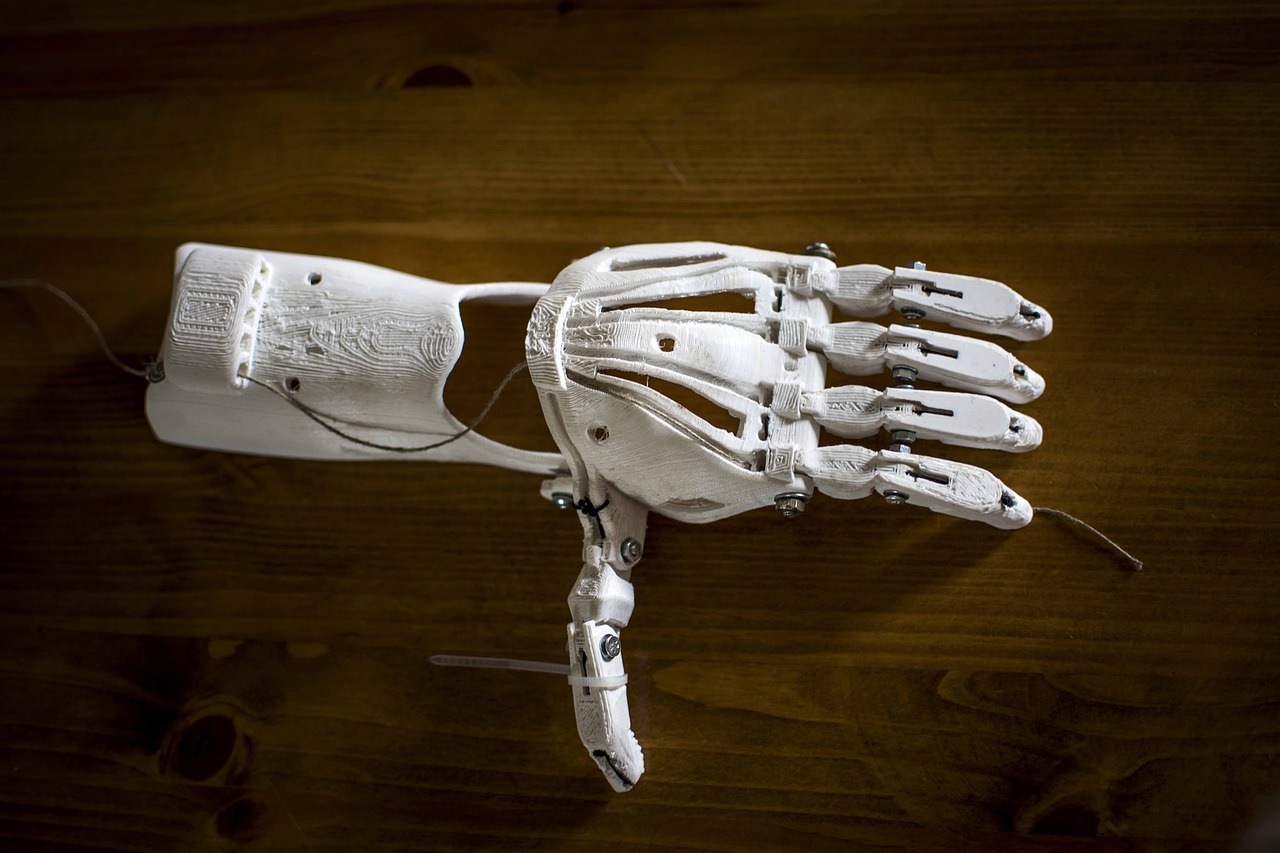
Advancements in adaptive technology have significantly enhanced the lives of individuals with disabilities, opening new avenues for fitness and sports participation. Take, for example, the use of specialized wheelchairs designed for basketball or racing. These innovations have revolutionized how adaptive athletes approach their training and competitions. With lightweight materials and custom fittings, athletes can achieve remarkable speeds and manoeuvrability. One such athlete, Ben, uses an advanced wheelchair designed specifically for racing, allowing him to compete at elite levels. This technological progress level the playing field, enabling everyone to experience the thrill of sport to its fullest extent. Moreover, innovations like exoskeletons empower individuals with spinal injuries to regain mobility and participate in various activities. Such technologies inspire adaptive athletes to set ambitious goals and challenges, contributing to their mental and physical well-being. The integration of technology is enhancing not only performance but also accessibility within adaptive fitness. As these advancements continue, they create exciting opportunities and unite individuals from different backgrounds. This continual growth in adaptive technology showcases the indomitable spirit of athletes and the commitment of innovators to foster inclusivity and empowerment in every aspect of life.
One more inspiring example comes from Emma, who’s devoted her life to adaptive fitness after overcoming her own obstacles. As a child diagnosed with a significant visual impairment, Emma faced numerous hurdles in her pursuit of physical activities. However, she was determined to prove that disability cannot limit passion or purpose. Starting with judo, Emma found her strength in adaptability and self-reliance. Eventually, she transitioned into adaptive obstacle courses, discovering a community of like-minded athletes. Emma emphasizes the importance of mental fortitude and adaptability in her journey. She competes in races and obstacle challenges, often sharing her techniques with others. By developing confidence, she embodies the message that anything is achievable with determination. Emma’s advocacy for inclusive sports programs has transformed the landscape for visually impaired athletes. Her workshops empower youth to break barriers and create connections with peers. She encourages participants to embrace their unique abilities, fostering a sense of belonging among athletes. Through her efforts, Emma is not just competing; she’s shaping the future of adaptive fitness, ensuring that it is accessible and welcoming to everyone.
Celebrating Achievements and Setting Goals
Celebrating achievements is central to the adaptive fitness community, serving as motivation for aspiring athletes. One notable figure is Chris, a veteran who lost his leg during service. After returning home, he grappled with depression and isolation. However, joining an adaptive rowing team encouraged Chris to push through adversity. His teammates became his support system, reminding him of the importance of gratitude and resilience. Chris began competing at local events, gradually achieving notable milestones, like finishing his first half-marathon. Each success reignited his passion for rowing while inspiring others to pursue adaptive sports. Alongside personal achievements, Chris emphasizes setting goals as crucial for growth and motivation. He often shares strategies for overcoming mental barriers and finding strategies to track progress. Providing training resources and support, he inspires the younger generation to engage in adaptive fitness. Chris believes in the ripple effect of shared success, encouraging athletes to celebrate wins together. Cardio-focused events serve as platforms for showcasing their progress and inspiring those around them. Chris’ story illustrates that the journey can be transformative for both individuals and their communities, as they replace doubt with empowerment.
In conclusion, the stories of adaptive fitness champions highlight the incredible strength and determination of individuals overcoming disabilities. These athletes remind us that limitations are often rooted in perceptions, not facts. As we reflect on the experiences of Sarah, John, Mia, Alex, and Emma, it becomes clear that adaptive fitness transforms lives. It provides not just physical health benefits but also emotional resilience, community connections, and personal growth. It is essential to raise awareness about the resources available to individuals with disabilities who wish to engage in fitness activities. Moreover, fostering inclusive environments within sports organizations is crucial for creating opportunities. Each of these champions demonstrates achievement through perseverance, inspiring countless others. Individuals facing similar challenges can find hope and motivation in their journeys. The growing adaptive fitness movement underscores the importance of strength in diversity. Voices like Chris’s resonate with others aiming to set goals and celebrate every achievement along the way. Together, we can foster a culture that recognizes and honors the potential of every person, regardless of their disabilities. Ultimately, success in adaptive fitness is not limited to competitions but encompasses personal triumphs essential for building a more inclusive society.