
Water-Resistant Running Apparel for Rainy Marathon Days
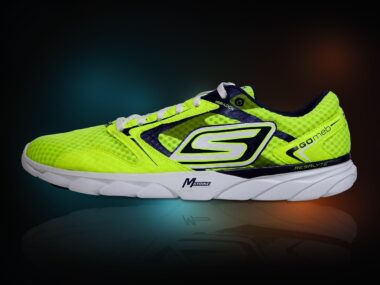
When it comes to training for a marathon, the right apparel can make all the difference, especially during those rainy days that often come without notice. Wearing water-resistant running gear ensures that water beads off your clothing, providing comfort without sacrificing performance. Investing in quality water-resistant items, like jackets or pants, is crucial. These garments allow for breathability, thus keeping your body temperature regulated even in wet conditions. Moreover, look for features like adjustable hoods, waterproof zippers, and reflective elements for safety during early morning or late evening runs. The ideal running gear for rainy days enables you to continue training without feeling weighed down by heavy, soaked fabric. Remember that choosing the right materials, such as polyester blends or specialized membranes, contributes to effective moisture management. This choice enhances your overall experience, allowing you to focus solely on your training goals. Choosing appropriate footwear is another consideration, as water-resistant shoes will help keep your feet dry and prevent discomfort. In short, don’t let the rain deter your marathon training; equip yourself with the right gear to face any storm confidently and comfortably.
In addition to jackets, many runners benefit from wearing water-resistant pants or tights. This type of apparel allows for full mobility while preventing water from soaking into the fabric. Many brands now offer lightweight options that feel airy, even as they guard against rain. Look for designs with ankle zippers, which make it simple to pull them on over shoes, especially in a hurry. Moreover, water-resistant leggings are often fitted with moisture-wicking technology that helps draw perspiration away from the body. When running in wet conditions, you need apparel that helps you stay dry while still providing breathability. It’s essential to test different fabrics and find out which materials suit your skin type and comfort preferences best. Additionally, consider layering your clothing for added warmth; a lightweight long-sleeve base layer beneath your jacket could make a significant difference. Remember that wet weather can lead to chafing, so examine the stitching and seams of your garments, opting for flatlock seams that reduce friction. Ultimately, prioritizing water-resistant running apparel allows you to remain dedicated to your marathon training, even amidst challenging weather.
Choosing the Right Water-Resistant Fabrics
The type of fabric used in your running apparel greatly influences performance when training in the rain. Look for items made from synthetic materials, which are generally superior in moisture management. Nylon or polyester are popular choices, given they resist water better than cotton. When fabric shopping, prioritize items marketed as ‘waterproof’ or ‘water-resistant,’ examining their waterproof ratings. Many brands will specify how long their gear can endure rain. Breathability is another crucial factor since trapped sweat can lead to overheating even in cool rain. Fabrics labeled with breathable membranes, such as GORE-TEX or similar options, allow moisture from your skin to escape while preventing water from getting in. Furthermore, technology continues to advance, providing even more effective waterproof mechanisms in newer clothing lines. Don’t forget about special treatments like DWR (Durable Water Repellent), which can enhance your existing gear’s water-resistant properties. Always refer to care instructions to maintain these traits over time. In summary, knowing which fabrics to look for is essential for picking the best water-resistant running apparel that performs excellently in wet conditions.
Your choice of accessories can also impact your performance on rainy marathon training days. A waterproof hat helps keep raindrops away from your face, enhancing visibility. Hats with brims are particularly useful, as they shield your eyes from both rain and glare. In addition to headwear, consider using moisture-wicking socks designed to maintain dry feet and avoid blisters. You will want a sock made of synthetic fibers with some cushioning for added comfort during longer runs. Waterproof gloves can protect your hands from the chill, providing grip regardless of the weather conditions. Keep in mind that choosing the right gear extends to your running belt or hydration pack, both of which should ideally have water-resistant options available. This protection prevents your essentials like phones, gels, or keys from getting wet. If you prefer listening to music while running, take extra care to safeguard your tech with waterproof pouches. By layering wisely and utilizing appropriate accessories, you can enhance your training experience even when rain showers hit unexpectedly.
Care Tips for Water-Resistant Apparel
Caring for your water-resistant running apparel is crucial to prolonging its lifespan and maintaining its protective qualities. After each run in the rain, it’s vital to rinse your garments to remove any residual dirt or grime that could break down the fabric’s waterproof coatings. Always follow the care instructions listed on the labels since different materials have varying requirements. Opt for a gentle wash cycle with cold water to extend the life of your gear. Avoid fabric softeners as they can negatively impact the water-resistant properties of the clothing. Instead, consider using a specialized cleaner designed for technical fabrics. Periodically, you may need to reapply waterproofing treatments to maintain effectiveness; these can be purchased in spray form at sports stores. It is advisable to hang dry your items rather than toss them in the dryer, as heat may damage waterproof materials over time. Taking these steps ensures that your gear remains reliable and effective, allowing you to focus on training smoothly, regardless of rain. The right maintenance routine will protect your investment and ensure your apparel performs well throughout your marathon journey.
Furthermore, enjoying rainy marathon training often comes down to mental preparation just as much as the physical aspects. Embrace rainy days as a unique challenge that enhances your overall resilience and determination as a runner. Rain can also provide a refreshing change from the usual sun-soaked training sessions, keeping your training experience varied. Focus on developing a positive mindset towards wet conditions, which in turn can build your confidence. When adequately equipped with the right water-resistant gear, you will feel more encouraged to step outside even when the forecast looks gloomy. Incorporating rainy runs into your training schedule helps make you prepared for any weather on race day. Moreover, you will learn how to adjust your pace and breathing techniques amid rain, which can be an excellent experience when faced with challenging conditions. Finding joy in running, regardless of the weather, can help you enjoy the journey leading up to your marathon. Always remind yourself that hard work during all conditions will pay off during your event, making this training phase more meaningful and rewarding.
Conclusion: Conquering the Elements
In conclusion, incorporating water-resistant running apparel into your marathon training routine is essential, especially with unpredictable weather. Comfort and functionality should be your top priorities, ensuring you’re properly equipped to tackle any conditions that Mother Nature throws your way. The right mix of jackets, pants, and accessories will allow you to stay focused on performance, avoiding distractions from discomfort. Understanding fabric characteristics and caring for your garments can significantly extend their usability while optimizing the training process. Embrace rainy days with a mindset that sees them as opportunities rather than obstacles. This approach will prepare you for the unexpected on race day, helping to build both mental strength and adaptability. Overall, a proactive attitude towards rainy training can transform your experience and enhance your ability to push through tougher conditions. As you gear up for the marathon, remember that true dedication shines through when facing challenges head-on. Equip yourself properly, stay committed, and most importantly, enjoy the journey. You may surprise yourself with your progress as a runner who refuses to let rain dampen their spirit or determination!
Lastly, consider sharing your rainy running experiences with your fellow running community. Join forums or social media groups to connect with others who face similar challenges during wet training. Sharing tips or personal stories can create encouragement and support, which is invaluable for building community. This exchange can lead to discovering new gear recommendations, local running routes that handle rain well, or motivational advice that keeps you going. Many runners share their experiences on blogs or YouTube channels, and you might find inspiration in their stories. They might offer insights on managing gear during rainy runs or showcase their favorite apparel items, solidifying your choices as you prepare for race day. Building a network can provide accountability and motivation that propels you forward in your goals. Also, attending local running events, even in the rain, fortifies your love for the sport. In short, adapting to rainy marathon training days not only requires the right gear but also a supportive community that encourages you. Embrace the elements, your gear, and the connections you make along the way. Together, you will all be ready to conquer the marathon, no matter the weather!