
The Evolution of Hybrid Bikes: From Basics to Advanced Models
Hybrid bikes, a blend of road and mountain bikes, have transformed significantly over the years. Initially, these versatile bicycles were designed to cater to casual riders, enabling them to experience a range of terrains comfortably. With a focus on comfort and practicality, early hybrid bikes featured lightweight frames, flat handlebars, and a more relaxed geometry. This beginner-friendly design allowed riders to enjoy leisurely rides on city streets or dirt paths without the need for specialized gear. As the popularity of cycling grew, manufacturers began experimenting with various features and components. They integrated wider tires, disc brakes, and improved gearing systems to enhance performance and safety. Consequently, hybrid bikes became suitable for a broader audience, including fitness enthusiasts and commuters. This evolution also embraced technological advancements, leading to the production of e-hybrid bikes. These electric versions combine traditional pedaling with battery-assisted power, offering riders an effortless experience on challenging terrains. Today, cyclists can choose from a wide array of hybrid bikes that cater to their unique preferences, be it for commuting, touring, or adventure riding.
Key Features of Modern Hybrid Bikes
Modern hybrid bikes come equipped with several features that enhance rider experience and performance. One of the most notable attributes is their frame design, which typically balances comfort and efficiency. Most hybrids feature a lightweight aluminum frame that provides durability without adding unnecessary weight. This makes them perfect for city commuting and longer rides. Additionally, the geometry is often designed for an upright riding position, allowing for better visibility and enhanced comfort on prolonged voyages. Suspension systems are another essential component. Many hybrids incorporate front or even full suspension systems that absorb bumps and uneven surfaces, ensuring smoother rides. Moreover, the presence of wider tires grants excellent traction and stability, making navigating diverse terrains easier. Additionally, modern hybrid models frequently come equipped with disc brakes that provide reliable stopping power in varied weather, enhancing safety. To cater to commuting needs, many bikes include integrated features such as racks and fenders, ensuring practicality for daily use. With customization options and tech advancements, today’s hybrid bikes are versatile choices for cyclists of all skill levels.
Hybrid bikes have become a symbol of adaptability and innovation in the cycling world. The shift towards more specialized designs has allowed various cycling disciplines to emerge, which cater to specific rider preferences and demands. For instance, some manufacturers now produce hybrid bikes designed explicitly for touring enthusiasts who seek long-distance comfort and efficient gear ratios. These models incorporate features like panniers and durability for sustained journeys, ensuring all rider essentials are accounted for.
Conversely, performance-driven models have emerged, targeting those who aim to meld fitness with recreation. These hybrids often incorporate lighter frames and promote a sleek design while maintaining comfort. A focus on speed ensures they can keep up with road bikes in urban environments while still providing the versatility that hybrid models promise. The distinction between commuter-focused bikes and performance models reflects the advancement in bicycle technology, ensuring that all riders find satisfaction. Brands continue to innovate by introducing updated materials and enhanced designs to optimize performance and aesthetics. As such, the hybrid bike has evolved into an impressive combination of mountain and road bike features.
The Rise of Electric Hybrid Bikes
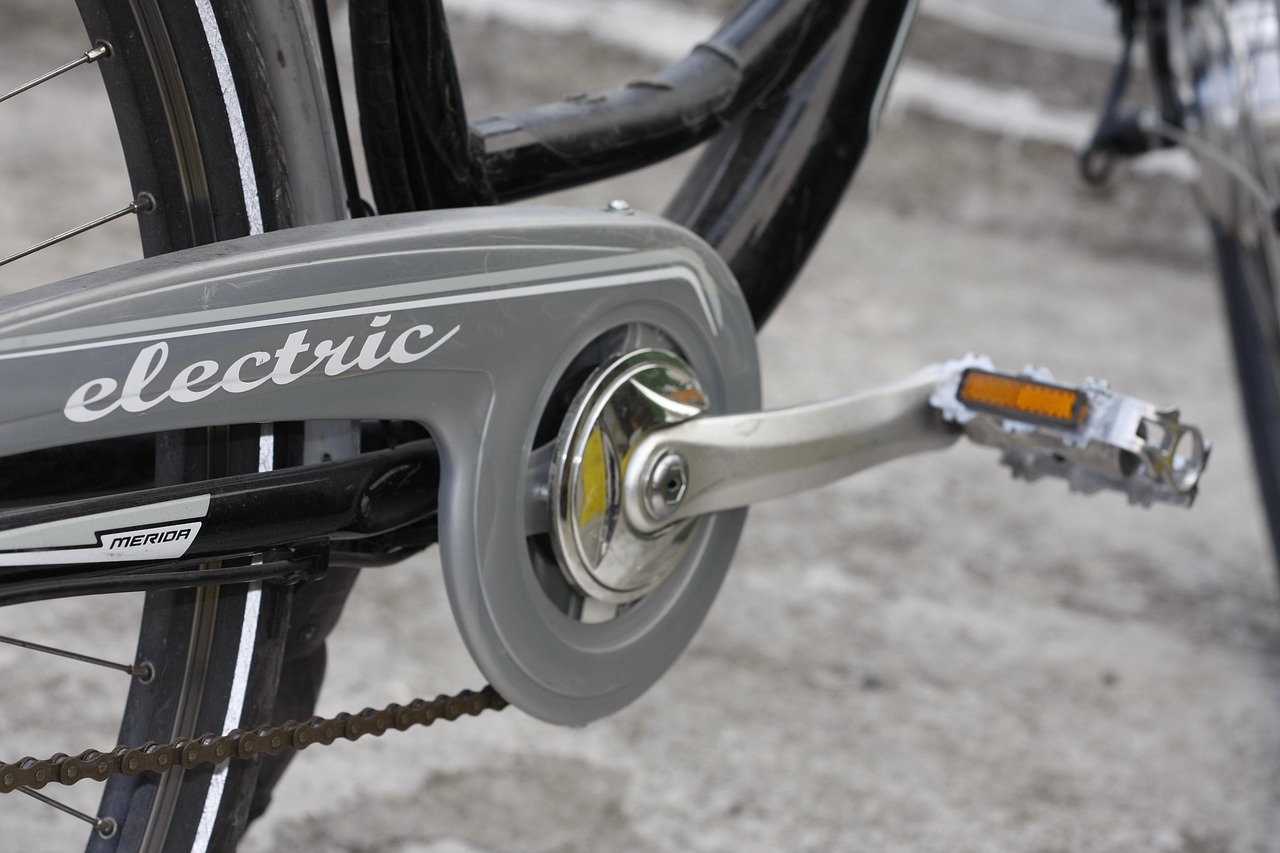
The rise of electric hybrid bikes has transformed the cycling landscape significantly. These innovative bicycles combine the versatility of traditional hybrid bikes with the advantages of electric power. With this enhanced technology, riders can experience greater ease on various terrains, especially when facing steep inclines or rough trails. Riders can pedal normally while the electric assist offers an extra boost, making rides less strenuous. This power assists not only supports casual cyclists but provides unique advantages for commuters who may otherwise struggle with daily road challenges. By incorporating clean energy solutions into cycling, e-hybrids contribute to reducing overall carbon footprints, making them an environmentally-conscious choice. The battery and motor systems used in electric hybrids offer improved efficiency, thus extending their usability. Riders can choose different modes of assistance, allowing for customized support based on their needs. Furthermore, increased availability of e-hybrid bikes has made commuting more appealing, encouraging people to leave their cars behind. This shift not only promotes healthier lifestyles but also fosters greater community engagement among local cyclists and environmental advocates alike.
The evolution of hybrid bikes has sparked various trends that influence their design and functionality. One remarkable trend is the integration of smart technology into hybrid bicycles, making them more user-friendly and connected. Many modern hybrid bikes feature compatibility with mobile apps, allowing riders to track their performance and route information. Moreover, riders can access real-time data, such as speed, distance, and location. Such advancements enhance the overall cycling experience and provide valuable insights that help riders set and achieve personal goals. As biking continues to become a viable mode of transportation, manufacturers are also paying attention to safety. Features like built-in lights, reflective materials, and better visibility components are increasingly common, ensuring cyclists remain seen in urban settings. This heightened focus on rider safety complements the convenience of e-hybrids, encouraging more individuals to embrace cycling as a part of their daily routines. As hybrid bikes evolve, they embrace contemporary trends that prioritize sustainable practices, technological integration, and rider experience, ensuring they remain relevant in the fast-paced world of cycling.
Future of Hybrid Bikes
The future of hybrid bikes looks promising, with constantly evolving technology, designs, and consumer preferences shaping the biking landscape. As the demand for eco-friendly transportation grows, the appeal of hybrid bikes continues to rise. Future innovations point towards improved battery technology and integration of even more robust smart features that will enhance user experience. Additionally, manufacturers are exploring new materials that further reduce weight and increase durability without compromising performance. Bike-sharing programs also contribute to the hybrid bike trend’s sustainability by providing community access to low-emission transportation substitutes. As cities adapt to cycling infrastructure, hybrid bikes will likely see increased popularity among commuters as well as recreational riders. Furthermore, collaborations between tech companies and bike manufacturers could introduce new advancements to analytics and riding features. This synergy may expand opportunities for connectivity with mobile devices. As hybrid bikes evolve, they are also likely to accommodate various terrains, offering enhanced versatility for all types of riders. The combination of innovation, community focus, and environmental awareness positions hybrid bikes as pivotal players in the future of cycling culture.
In conclusion, the evolution of hybrid bikes represents a remarkable journey in cycling technology and user experience. Over the years, these versatile bicycles have adapted to meet the needs of a diverse riding population, promoting comfort and performance. Their designs have evolved alongside market demands, leading to innovations such as electric assistance, smart technology, and a focus on safety. Hybrid bikes have successfully bridged the gap between dedicated road and mountain bikes, proving their worth in numerous contexts – from urban commuting to leisurely rides in nature. The continuous improvements in technology ensure that hybrid bikes will likely remain relevant while serving various cycling approaches. As awareness grows around the importance of healthy, sustainable transport options, hybrid bikes are poised for further success. With increasing popularity and accessibility, they provide a viable alternative for individuals seeking to embrace an active lifestyle. Whether for commuting or recreation, hybrid bikes offer a versatile option for today’s cyclists, ensuring they continue to evolve as a popular choice. Ultimately, the future of hybrid bikes shines brightly as they adapt and innovate to meet the ever-changing needs of riders.
Accessibility and Customization Options
Accessibility and customization options are critical components of the appeal of hybrid bikes. Consumers today seek products that fit their unique requirements, both in functionality and aesthetics. Various manufacturers respond to this demand by offering adjustable components like handlebars and seats, ensuring maximum comfort for riders of all shapes and sizes. Furthermore, providing various frame sizes allows a more extensive range of cyclists to experience the benefits of hybrid bikes. Customization extends beyond functional aspects, including the choice of colors and accessories that allow riders to personalize their bikes. Trends in bike accessories, such as lights and locks, enhance visibility and security, crucial for urban environments. Additionally, bike shops now frequently offer custom fittings, ensuring that every bike is tailored to the specific needs of its rider. The combination of accessibility and customization fosters a sense of community among cyclists, encouraging sharing experiences and personalizing their journeys. Thus, hybrid bikes embrace individuality, ensuring that as they evolve, they remain reflective of rider preferences, making cycling more enjoyable, accessible, and personalized.