
Environmental Modifications for Wheelchair Users in Fitness Settings
Fitness environments can significantly impact the ability of wheelchair users to engage in exercise. Accessible design is crucial for ensuring that these spaces accommodate individuals with disabilities. Properly designed pathways, ramps, and doorways enable wheelchair users to navigate easily without assistance. Organizations need to conduct audits of existing facilities to identify barriers that may hinder access. Accessible locker rooms, restrooms, and equipment must be prioritized for inclusive programming. It is essential to involve wheelchair users in assessing their specific needs and preferences. Additionally, staff training is vital for ensuring that personnel understand how to assist users effectively. Outdoor fitness options should also include smooth surfaces and accessible seating areas where users can rest during workouts. Highlighting the importance of signage is critical as well. Information regarding available accessibility features can enhance the experiences of users. Moreover, incorporating adaptive fitness equipment allows wheelchair users to participate fully in workouts. Such modifications foster independence, boost confidence, and promote overall wellbeing. With these considerations, fitness centers can create an inclusive environment that encourages wheelchair users to stay active and healthy. Adaptations should be a continuous effort that evolves based on user feedback.
Adapting Equipment for Accessibility
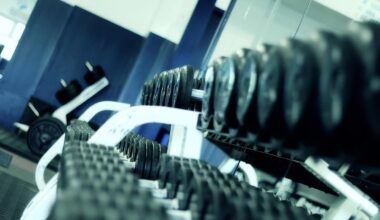
Equipment in fitness centers should be adaptable for wheelchair users. Standard machines may not cater to those with limited mobility. Therefore, centers must invest in specialized fitness equipment to promote inclusivity. Adjustable weight machines and accessible cardio equipment are essential. Additionally, resistance bands and free weights can be beneficial for promoting strength training. Considering spatial layout is crucial for ensuring maneuverability for wheelchair users. Equipment must be spaced adequately to allow easy movement. Furthermore, the placement of mirrors can help users maintain proper form during workouts. Personal trainers should receive specialized training to assist wheelchair users effectively. Programs can include adaptive techniques tailored to individual needs. This may encompass modifications for various fitness levels as well. Community partnerships with local adaptive organizations can enhance the program offerings. These collaborations can help develop resources and training opportunities. Moreover, addressing user feedback invites ongoing improvement and empowerment. Accessibility can be promoted through committed marketing efforts that highlight adaptive fitness initiatives. Highlighting success stories can inspire others in the community. Ultimately, enhancing equipment accessibility enriches the overall experience and empowers wheelchair users to pursue their fitness goals.
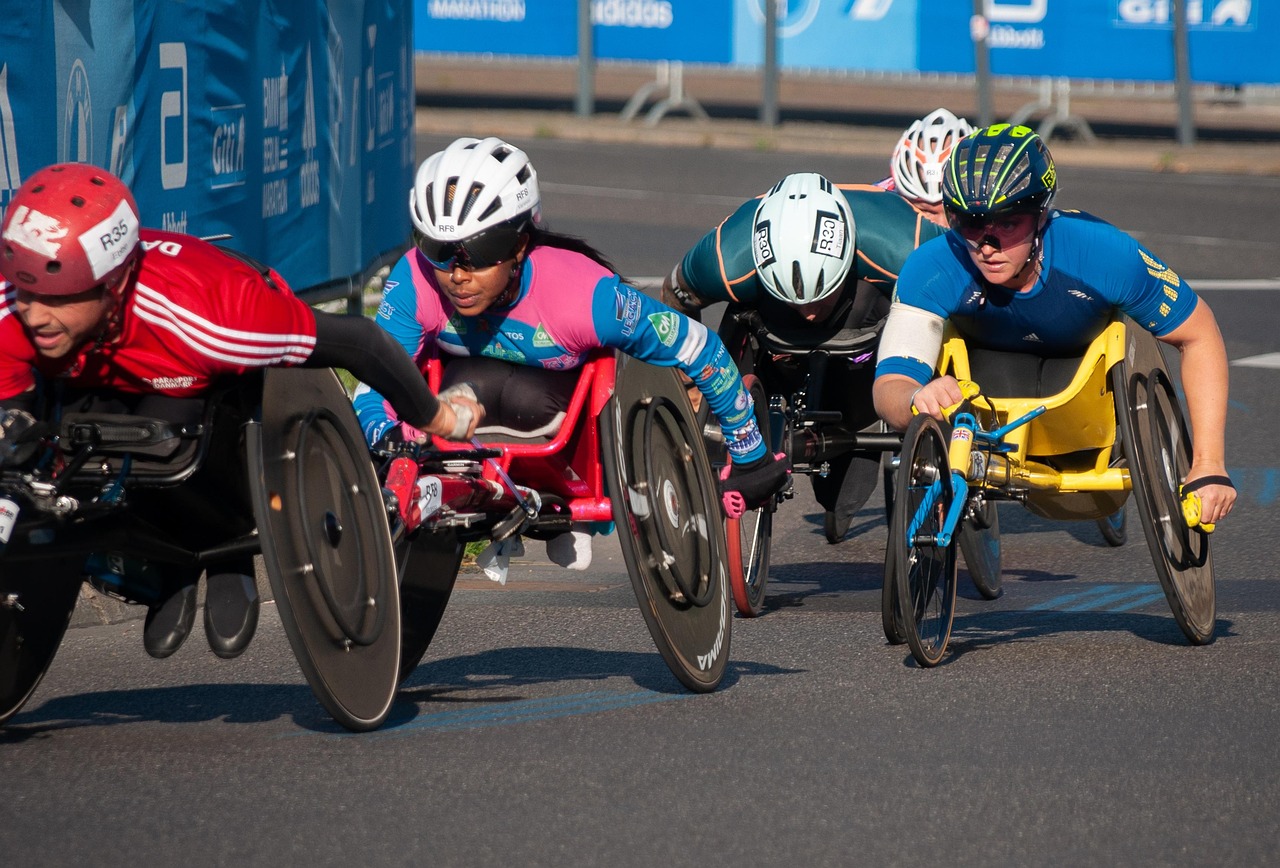
Outdoor fitness environments also require thoughtful adaptation for wheelchair users. Parks and recreational areas should be designed with inclusivity in mind. Smooth pathways free from obstructions allow users to maneuver comfortably. Picnic areas and benches should be strategically placed for accessibility as well. These features enable wheelchair users to engage in various activities with ease. Moreover, access to adaptive sports programs and fitness classes can enhance participation. Opportunities for wheelchair basketball, tennis, and other adaptive activities can encourage physical fitness. Equipment such as specially designed wheelchairs can promote engagement in these activities. Additionally, local governments must prioritize funding for inclusive recreational infrastructure. By implementing these changes, communities foster a culture of inclusivity and support. Celebrating adaptive athletes can inspire broader participation and awareness. Local events or competitions can be organized to showcase achievements. Furthermore, partnerships with adaptive fitness organizations can elevate community initiatives. Sharing resources can create a robust support network for individuals with disabilities. Ultimately, investing in outdoor fitness environments leads to improved health outcomes for wheelchair users. Independence and empowerment grow through accessible spaces where everyone can enjoy physical fitness and community engagement.
Enhancing Social Inclusion Through Fitness
Social connections are essential for overall wellbeing, especially among wheelchair users. Fitness settings can serve as venues for building friendships and fostering community. Promoting group classes or social fitness events creates an atmosphere of inclusivity. These gatherings allow participants to support one another throughout their fitness journeys. Moreover, creating mentorship programs enables experienced wheelchair users to guide newcomers. Such initiatives promote a sense of belonging and empowerment within the community. Organizing adaptive sporting events can also enhance social interactions. Families and friends of participants become engaged, further strengthening community bonds. Recognizing the importance of positive interactions in fitness improves mental health. Additionally, fitness leaders can promote awareness about disability and inclusivity through targeted campaigns. Educational workshops can be offered, addressing common misconceptions about wheelchair users in fitness. Providing a safe space for conversations encourages individuals to share experiences and challenges. Therefore, fostering an understanding of unique user needs is paramount. It contributes to the development of supportive environments within fitness centers. Collaborative efforts among staff, users, and the broader community create an inclusive culture, ultimately enhancing the quality of life for wheelchair users. Accessibility and social acceptance thrive through adaptive fitness initiatives.
Access to information about available resources is crucial for wheelchair users. Fitness centers must clearly communicate these features to potential users. Utilizing digital platforms and social media can spread awareness effectively. Websites should provide detailed descriptions of accessibility options and adaptive classes. Moreover, outreach efforts to local communities can enhance awareness of fitness resources. Flyers and community boards help share information that benefits wheelchair users. Clearly labeled signage within facilities guides users to accessible entrances and restrooms. Staff members should be encouraged to actively engage with customers about available services. Programs can foster a welcoming environment for individuals with disabilities. Hosting open houses where potential members can tour the facility promotes inclusivity. Demonstrating available adaptive equipment encourages participation and interest. Additionally, soliciting user feedback helps fitness centers continuously improve their services. Establishing a point of contact for inquiries ensures that wheelchair users receive the support they need. Commitment to clear communication and transparency cultivates trust among community members. This enhances user engagement and satisfaction, fostering long-term relationships. Ultimately, access to vital information is an essential aspect of promoting inclusivity and attracting wheelchair users to fitness centers.
The Role of Community in Adaptive Fitness
Community support plays a vital role in the success of adaptive fitness programs. Collaborations between fitness centers and local organizations amplify resources for wheelchair users. These partnerships can foster adaptive sports leagues that encourage competition and participation. Inclusive events allow individuals to showcase their skills while promoting awareness within the community. Funding and sponsorships may enhance these programs, enabling broader outreach efforts. Additionally, volunteers can assist with organizing adaptive activities, ensuring sufficient support for participants. Building relationships within the community facilitates the development of inclusive cultures. Advocating for adaptive fitness within schools can inspire younger generations. Schools offering adaptive physical education programs instill positive attitudes regarding inclusivity. Furthermore, involving parents and caregivers engages the broader community in support of adaptive initiatives. Local businesses can also contribute to adaptive fitness resources through sponsorships. Promoting businesses that support disability initiatives reinforces community connections. Furthermore, creating a sense of belonging encourages individuals with disabilities to pursue their fitness goals. Strengthening the ties within the community ultimately cultivates a collaborative atmosphere. This collective effort will empower wheelchair users to achieve their full potential in fitness settings. Accessibility becomes an inherent aspect of community values and priorities.
Lastly, changing perceptions about fitness for wheelchair users is essential. Society often holds misconceptions regarding individuals’ capabilities with disabilities. Addressing these misbeliefs can promote a more inclusive environment. Promoting success stories can showcase what wheelchair users can achieve in fitness. Media representation can also elevate awareness about adaptive fitness initiatives. Featuring adaptive athletes highlights the achievements of individuals within the community. Furthermore, inclusive campaigns in fitness facilities can challenge stereotypes about disability. Ensuring that advertisements represent wheelchair users diversifies the fitness narrative. Collaborative efforts among fitness professionals can drive change in the industry. Training programs that emphasize inclusivity and accessibility can create a more empathetic workforce. Such education encourages staff to engage positively with all clients. Additionally, hosting workshops about disability and fitness can promote understanding. Inviting speakers with disabilities to share their experiences fosters connection and learning. Therefore, transforming narratives about disability is crucial for promoting acceptance. Shifting societal perceptions enables wheelchair users to thrive in fitness settings. Ultimately, embracing diversity in fitness leads to a stronger, more inclusive environment for everyone.