
Building Lower Body Strength Through Bootcamp Training
In today’s fast-paced world, achieving lower body strength has become increasingly important for overall fitness. Bootcamp training programs offer a dynamic approach to developing strength in the legs, glutes, and core. Through a combination of high-intensity interval training and varied exercises, participants engage in effective workouts targeting these essential muscle groups. This training methodology emphasizes the efficiency of a group environment, promoting motivation and accountability among participants. The wide variety of exercises utilized ensures that individuals remain focused, less prone to boredom, and consistently challenged. By integrating functional movements—such as squats, lunges, and plyometrics—bootcamp training aids in building muscle, improving endurance, and enhancing flexibility. Notably, it also provides cardiovascular benefits that are vital for overall health. Joining a bootcamp can foster community, pushing you to achieve your fitness goals in a supportive setting. Moreover, it encourages consistency, a crucial factor for anyone seeking to see results in their lower body strength initiatives. Hence, bootcamp training is a powerful option for anyone looking to tone, build strength, or embark on a transformative fitness journey that prioritizes lower body development.
Benefits of Targeting Lower Body Muscles
The targeted focus on lower body muscles during bootcamp training yields multiple benefits that extend beyond aesthetics. Firstly, by building strength in the legs and glutes, individuals can enhance their performance in both daily activities and athletic pursuits. Improved leg strength translates to better stability, balance, and coordination—factors that are essential for various sports and activities like running and cycling. Such functional strength is critical for preventing injuries, particularly among active individuals. Additionally, stronger lower body muscles help in boosting metabolism. Muscle mass burns more calories, even at rest, thus supporting weight management goals. Bootcamp classes typically include diverse movements that challenge the muscles from all angles. As a result, participants experience better muscle tone and a more sculpted lower body. This comprehensive strength training also plays a significant role in promoting good posture, enhancing athletic performance, and contributing to overall bodily health. Moreover, lower body strength is foundational to building a solid core, which is crucial for numerous full-body exercises. Therefore, engaging in bootcamp training focused on lower body strength is not just a workout; it’s a comprehensive approach to fitness.
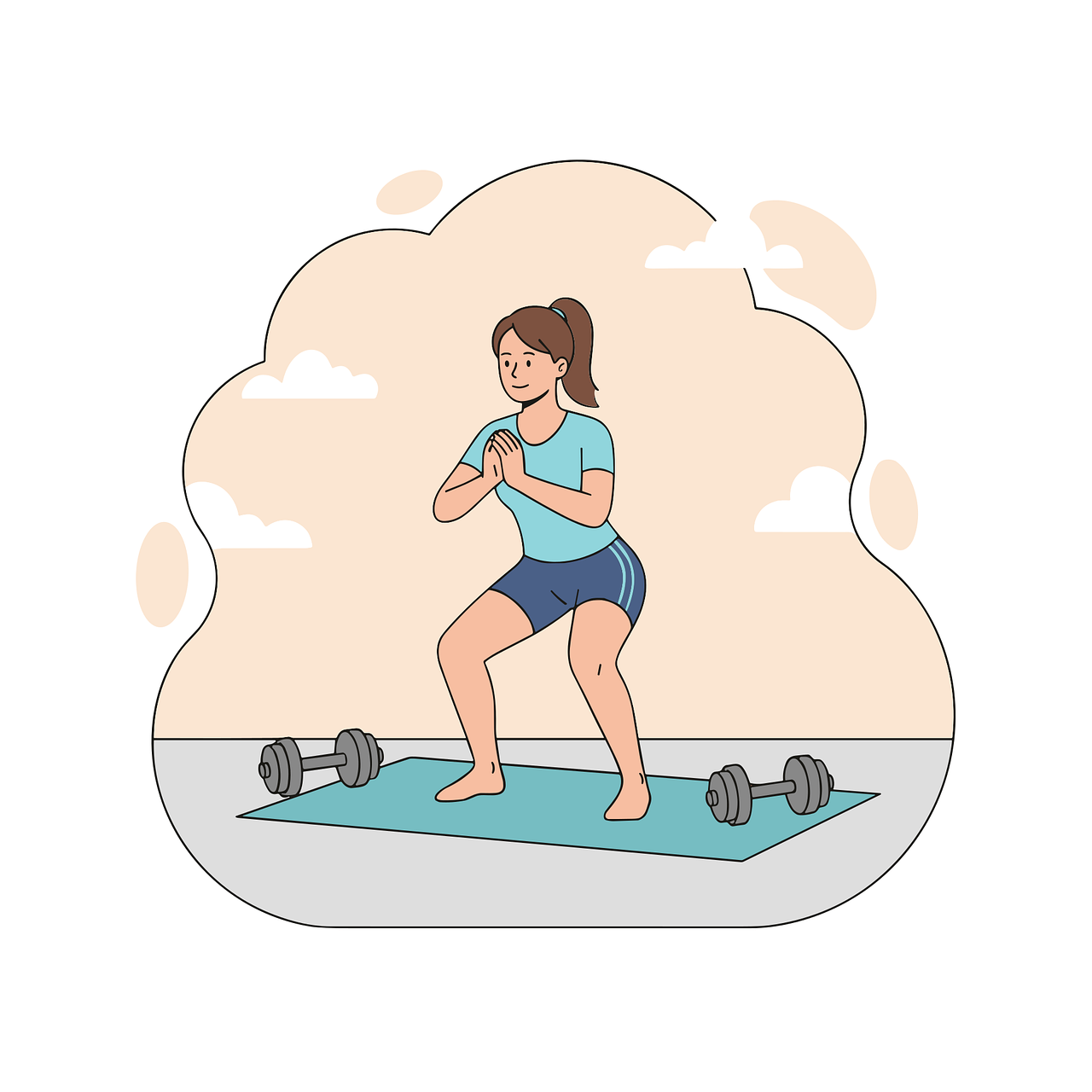
Exercises within a bootcamp specifically target lower body muscles, ensuring a balanced routine. Typical strength-building exercises might include squats, lunges, and deadlifts, all essential for engaging major muscle groups. Variations in traditional movements, such as jump squats or walking lunges, can further enhance intensity and effectiveness. Many bootcamp programs also incorporate resistance bands or weights to add an additional layer of challenge, facilitating muscle growth. This diversity allows participants to continually push their limits and avoid reaching fitness plateaus. Furthermore, the guidance of a certified trainer in a bootcamp setting ensures proper techniques are employed, significantly reducing the risk of injury when performing lower body exercises. This emphasis on form is vital to maximizing results while maintaining safety. Additionally, community camaraderie plays a significant role in achieving individual fitness goals. When participants engage together in workouts, they motivate one another, often surpassing personal expectations. Thus, bootcamp training not only focuses on physical strength but also cultivates a positive mental attitude toward fitness, reinforcing both personal discipline and group encouragement, which are crucial for long-term success.
Incorporating Variety into Your Bootcamp Routine
A critical aspect of bootcamp training is the element of variety, which is key to keeping participants engaged and motivated. Each session often includes different workout stations or circuits, targeting various lower body muscle groups. This variability not only prevents boredom but also promotes comprehensive muscle development. Bootcamp sessions may alternate between strength training and cardio-focused drills, offering a holistic approach to fitness. Participants might find themselves doing hill sprints followed by strength-building exercises such as weighted squats or lunges. Maintaining varied workouts is crucial, as it helps to develop both muscular endurance and strength, facilitating continuous improvement. Moreover, this diversity in training helps avoid overuse injuries, as no single muscle group is worked excessively. Another significant benefit is that it caters to all fitness levels, as trainers frequently provide modifications or advanced variations of each exercise. This inclusive environment enhances participant confidence, encouraging them to push their limits safely. Overall, the blend of strength and conditioning in bootcamp training serves not just to build lower body strength, but also to contribute to overall fitness, stamina, and health.
Nutrition is an integral component of any training program, especially when focusing on building lower body strength in bootcamp training sessions. Consuming a balanced diet rich in protein, healthy fats, and carbohydrates supports muscle recovery and growth. Protein is particularly vital as it provides the necessary building blocks for repairing and growing muscle tissue after intense workouts. Incorporating sources of lean protein—like chicken, fish, beans, and legumes—can significantly enhance the effectiveness of a bootcamp program. In addition to protein, proper hydration plays a key role in performance and recovery, enabling muscles to function optimally. Participants should aim to drink adequate water before, during, and after their sessions to prevent dehydration. Furthermore, adjusting macronutrient intake depending on energy expenditure can lead participants to better results, ensuring they fuel their bodies sufficiently for intense workouts. Nutrition should not be viewed as a separate entity but rather as an integral part of a successful bootcamp experience, enhancing the overall effectiveness of each session. By prioritizing nutrition alongside workout regimes, participants can elevate their lower body strength training in a meaningful and effective manner.
Tracking Progress and Setting Goals
Setting specific goals and tracking progress is vital for maximizing the benefits of bootcamp training aimed at lower body strength. Establishing achievable yet challenging objectives can help participants remain focused and motivated throughout their fitness journey. These goals should be measurable, whether they pertain to weights lifted, repetitions completed, or even distance run. Regularly assessing one’s progress through fitness tests or benchmarks can validate achievements and identify areas for improvement. Such tracking empowers individuals to adjust their training strategies and refine their techniques accordingly. In addition, documenting progress can cultivate a rewarding experience, as it provides tangible evidence of hard work and dedication. Many bootcamp participants find it empowering to see their progress over time, thus reinforcing commitment to their fitness goals. Furthermore, sharing achievements with fellow participants can enhance motivation through community support and celebration of milestones. Overall, goal-setting and progress tracking should be ingrained practices in bootcamp training. They not only drive individuals toward greater lower body strength but enrich the overall experience, solidifying one’s dedication to fitness and health.
In conclusion, bootcamp training offers a unique and effective approach to building lower body strength through diverse workouts, strong community, and professional guidance. This training method is ideal for anyone eager to enhance their fitness levels, improve overall performance, and build muscle. Participants are welcomed into an inclusive environment where every individual’s goals are respected and encouraged. Whether you are a beginner or an advanced athlete, bootcamp training can be adapted to suit your needs and skill level. The incorporation of varied exercises keeps sessions engaging and ensures the development of all muscle groups. Additionally, the emphasis on combining nutrition and fitness practices creates a synergistic effect that can greatly enhance results. By committing to a bootcamp training program focused on lower body strength, individuals can experience transformative changes and unprecedented fitness gains. The mix of motivation, support, and expert guidance culminates in a popular training format that fosters personal growth and achievement. Therefore, choose bootcamp training as a powerful ally in your quest for strength, fitness, and overall wellness.
Final Thoughts
Ultimately, bootcamp training is an opportunity to elevate your fitness game while enjoying the process. The shared motivation within a supportive community makes every challenge feel achievable. Consistent practice, effective nutrition, and goal setting are all critical to making strides in lower body strength. Enroll in a bootcamp today and discover the remarkable benefits it can offer for you!