
The Role of Wearable Technology in Monitoring Chronic Diseases
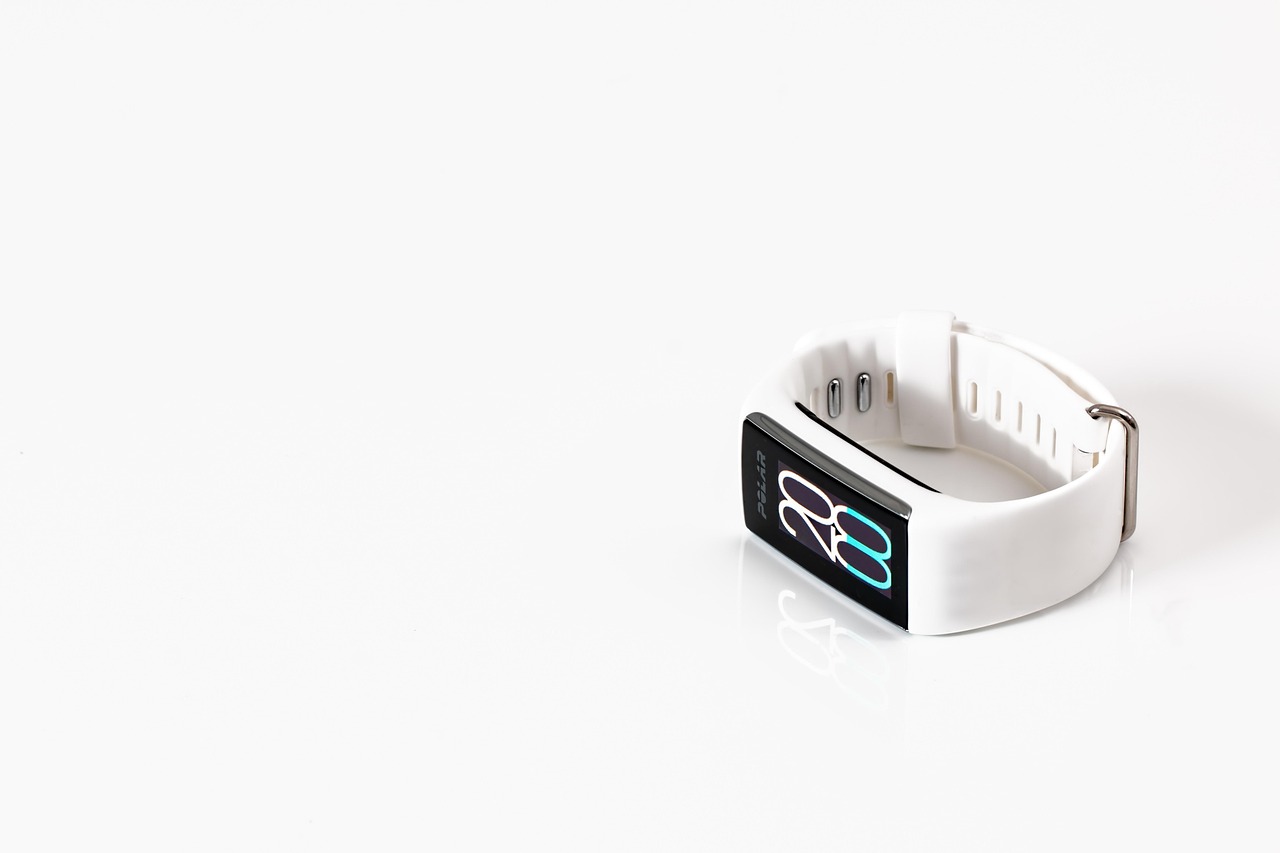
Wearable technology has emerged as a game-changer in the management of chronic diseases, revolutionizing how patients monitor their health. These devices, such as fitness trackers and smartwatches, provide real-time data that can assist both patients and healthcare providers. By continuously collecting data on vital signs, physical activity, and sleep patterns, wearables empower individuals with chronic conditions to take charge of their health, leading to improved outcomes. Studies have shown that users of wearable devices often maintain higher levels of motivation and engagement in their health plans. This technology enables personalized approaches to care, as the data collected can be tailored to individual health needs. Additionally, wearables can communicate with healthcare systems, allowing for timely interventions and reducing the need for frequent hospital visits. As these devices become increasingly sophisticated, the potential impact on chronic disease management is tremendous. The ongoing innovation in this space suggests that wearables will play an essential role in enhancing chronic disease management and improving overall health outcomes. Thus, wearable technology is not merely a trend but a pivotal part of modern healthcare strategies.
Regular monitoring of chronic diseases is critical for risk management and prompt interventions, which investments in wearable technology can facilitate. One of the significant advantages of wearables is the ability to gather continuous health data, allowing for comprehensive analysis. For instance, devices can monitor heart rates, glucose levels, and blood pressure. Through apps connected to these wearables, users can receive notifications if their readings fall outside normal ranges, prompting timely actions. Furthermore, these technologies enable health professionals to review historical trends, providing better insights for treatment adjustments. Cost-effective solutions are becoming accessible, making it easier for a broader range of patients to adopt these technologies. Accessibility enhances engagement levels, especially for those who require constant monitoring. Moreover, education plays a crucial role in encouraging usage; healthcare providers should guide patients on interpreting wearable data. The incorporation of wearables into health management strategies also promotes accountability among patients, motivating them to adhere to treatment plans and lifestyle changes effectively. Overall, the rise of wearable technologies represents a significant shift towards proactive and personalized healthcare for individuals living with chronic diseases.
Benefits of Wearable Technology
The benefits of wearable technology in managing chronic diseases extend beyond simple monitoring; they include enhanced patient engagement, data-driven insights, and streamlined communication with care teams. Patients are more likely to adhere to prescribed health regimes when they observe tangible progress through their devices. They experience a sense of empowerment over their health, fostering a proactive approach. With the data collected from wearables, healthcare providers can tailor interventions, making care more personalized. This leads to better patient outcomes, as adjustments to treatment plans are informed by accurate, real-time information about the patient’s daily functioning. Wearables also facilitate more effective communication between patients and clinicians; through secure platforms, health updates can be shared instantly. Remote monitoring capabilities mean that issues can be detected early, reducing emergency incidents and hospital admissions. Moreover, it creates opportunities for clinicians to intervene sooner and more decisively. The integration of wearables into chronic disease management saves on healthcare costs in the long run, as proactive management reduces complications and the need for extensive treatments. Thus, wearable devices offer impressive benefits, contributing positively to the healthcare landscape.
Privacy and security concerns are important considerations in the deployment of wearable technology for chronic disease monitoring. As these devices gather sensitive health information, ensuring that data is adequately protected remains paramount. Patients must be confident that their information will not be misused, which requires wearable manufacturers and health apps to implement robust security measures. Organizations should adhere to best practices in data encryption and storage while complying with health regulations, such as HIPAA in the United States. Additionally, users should be provided with clear guidelines on how their data will be used and shared. Transparency is essential to building trust between patients and device manufacturers. Ultimately, ensuring privacy helps to promote acceptance and widespread use of wearables among individuals managing chronic diseases. Patients are more likely to embrace these empowering technologies if they feel secure about the safety of their personal information. It is crucial to continue raising awareness around this issue. As technology evolves, maintaining a focus on privacy will be essential to ensure the sustainable growth of wearable devices in healthcare. Education on data security should be ongoing to adapt to new challenges arising in the tech landscape.
The Future of Wearables in Healthcare
Looking ahead, the future of wearable technology in healthcare seems promising, especially for those managing chronic diseases. The field is expected to witness significant advancements as technology evolves. With developments in artificial intelligence and machine learning, wearables will enhance data analysis capabilities, enabling more intuitive health insights for users. As algorithms become more sophisticated, these devices could predict adverse health events before they occur. Moreover, advances in sensor technology will foster more accurate assessments of various health metrics. We can also anticipate improvements in battery life and device comfort, promoting more widespread adoption. Integration with telehealth platforms is likely to grow, creating a seamless experience for users who prefer remote consultations. Additionally, partnerships between healthcare providers and tech companies could lead to innovative solutions that cater to specific chronic diseases better. Wearable technology will continue to be a strategic asset for patients and health professionals alike, emphasizing a collaborative approach to care. The combination of patient engagement and healthcare innovation sets the stage for a future where chronic disease management is more efficient and human-centric than ever before.
As wearable technology becomes more common, its implementation in chronic disease management will undoubtedly benefit from continued collaboration and research. The ongoing exploration of data from these devices promises valuable insights into health patterns and disease progression. The focus on usability and integrating feedback from patients during the design process will enhance the effectiveness of these devices. Furthermore, increased awareness and education among health care providers on the capabilities of wearables will empower them to recommend suitable technologies for their patients effectively. By addressing limitations and harnessing the capabilities of existing technologies, there is potential for wearables to transform chronic disease management practices. As data-sharing capabilities improve, a more comprehensive understanding of health trends emerges, with wearables playing an integral role. This shift signifies a movement towards a more patient-centered healthcare model where technology supports healthier lifestyles and more informed decision-making. Investing in research dedicated to evaluating the long-term impact of wearables on chronic diseases will lead to innovative strategies that promote better health outcomes. Overall, the future landscape is bright for wearable technology and its role in enhancing chronic disease management.
Conclusion
In conclusion, wearable technology has the potential to reshape the management of chronic diseases significantly. They offer a unique blend of real-time monitoring, personalized insights, and proactive engagement. Through the continuous flow of health data, both patients and healthcare providers can work together more effectively towards achieving better health outcomes. The evolution of wearables promises not only convenience but also the ability to tailor care according to individual needs. However, as wearables continue to advance, addressing privacy and security concerns remains crucial for patient trust. Ongoing evaluations of the effectiveness and impact of these technologies will be essential to understanding their true potential. Collaboration between tech innovators and healthcare professionals will enable the development of solutions that meet patients’ evolving demands. As we step into this new era of digital health, embracing wearable technologies will usher in a proactive approach to healthcare, particularly for chronic disease sufferers. Education and awareness will play a critical role in ensuring that individuals derive maximum benefit from these technologies. With the combination of innovation, data, and patient engagement, wearable technology is here to stay, paving the way for a healthier future.
In summary, the integration of wearable technology into chronic disease management is a pivotal advancement in healthcare. As complex as chronic conditions are, these devices have simplified how patients manage their health. They empower individuals to monitor key health metrics daily, thereby taking control. For patients, this not only provides them with reassurance but also enhances their adherence to treatment plans. The ongoing technological advancements in wearables indicate a bright future that aligns with personalized healthcare trends. Healthcare providers are also benefiting from the rich data generated, enabling them to make informed clinical decisions that are timely and relevant. Therefore, it is essential to continue advancements and innovations in this field, as the possibilities are virtually limitless. Research in how to maximize the effectiveness of these technologies will contribute to their success in everyday healthcare practices. Moreover, the role of policy-makers in shaping regulatory frameworks will be necessary, to ensure safe and effective use. The synergy between technology, patient engagement, and healthcare understanding will ultimately dictate the successful adoption of wearables in chronic disease management.