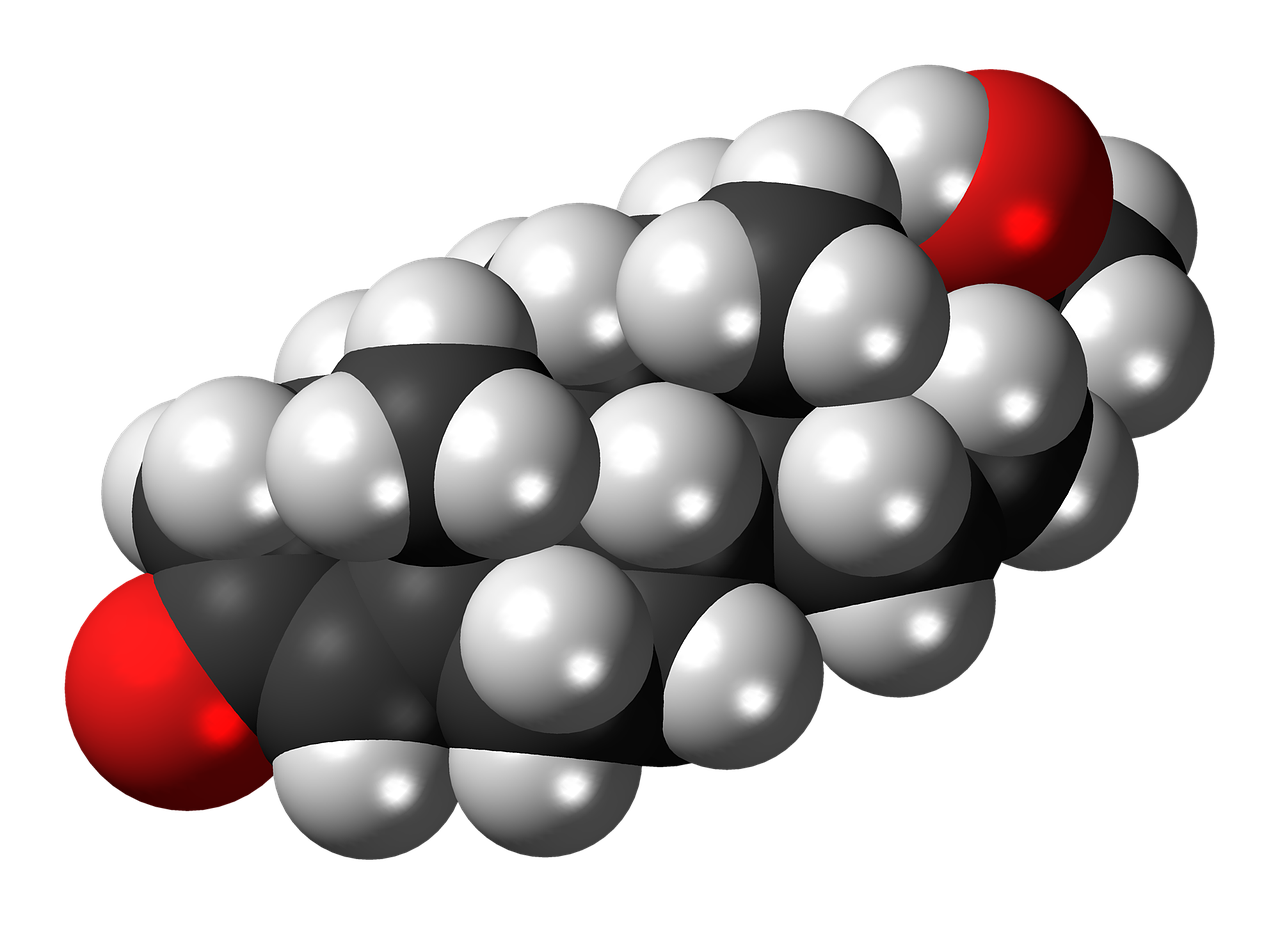

The Effects of Anabolic Steroids on Body Composition and Hormonal Balance
Anabolic steroids are often employed to enhance physical performance and improve body composition. Athletes and bodybuilders utilize these substances to increase muscle mass and reduce fat. The basic mechanism involves altering hormonal profiles, which significantly impacts body composition. Anabolic steroids primarily mimic testosterone, a hormone crucial for muscle growth. When administered, they stimulate protein synthesis, leading to increased muscle cell volume and strength. However, these benefits come with potential side effects that can harm overall health. Users experience changes in body fat distribution, which may lead to a more muscular appearance. Despite the appeal, it is essential to understand not just the appealing aspects but also the risks involved. Common alterations in hormonal balance encompass increased estrogen levels and reduced natural testosterone production. These changes can have long-term implications for users, including hormonal imbalances that may affect mood, reproductive health, and metabolic function. Understanding the interplay between anabolic steroids and body composition dynamics is crucial for evaluating their long-term benefits and risks.
Consequences of Anabolic Steroid Use on Hormonal Systems
When anabolic steroids are introduced into the body, they can disrupt the normal endocrine functions. This disruption of hormonal balance can lead to significant adverse effects. Users might encounter problems such as gynecomastia, which involves breast tissue development in men due to estrogenic effects. Moreover, long-term anabolic steroid use may lead to atrophy of the testes, resulting in decreased testosterone production. This can cause infertility issues as well. Additionally, the use of these substances has been linked to increased aggression and mood swings, often termed ‘roid rage.’ These psychological impacts represent another area of concern. Furthermore, other side effects include increased risk of cardiovascular diseases owing to altered lipid profiles. Cholesterol levels may rise, prompting an increase in LDL cholesterol and a decrease in HDL cholesterol, thus increasing the risk of heart issues. Hypertension is another consequence that accompanies steroid usage. As users gain muscle mass, they may inadvertently contribute to elevated blood pressure. Recognizing these hormonal consequences is vital for anyone considering the use of anabolic steroids.
Impact on Body Composition and Metabolism
Interestingly, while anabolic steroids clearly enhance muscle mass, they also play a role in metabolic changes within the body. Enhanced metabolism can lead to decreased fat mass when these substances are used correctly. Users report improved recovery from workouts, allowing them to train harder and more frequently. This accelerated metabolism additionally translates into a more favorable body composition profile, characterized by a higher muscle-to-fat ratio. However, it is essential to recognize that these effects are not solely based on the steroid use itself; diet and training protocols significantly influence outcomes. When combined with calorie-restricted diets, steroids can lead to an impressive reduction in body fat. Similarly, muscle retention during a caloric deficit is notably higher in steroid users. Nonetheless, the body may also become reliant on these substances, experiencing withdrawal symptoms if they are stopped abruptly. This dependency could complicate future attempts at maintaining body composition changes without the steroids. Therefore, while anabolic steroids do enhance results, their implications extend beyond simple body changes, impacting overall metabolic health.
Health Risks Associated with Anabolic Steroids
A significant area of concern surrounding anabolic steroids relates to their health risks, which extend beyond mere cosmetic or performance issues. Cardiovascular pathology is one of the most alarming risks associated with long-term usage. The manipulation of lipid profiles induced by these drugs increases the likelihood of developing heart conditions. Hypertension, mentioned earlier, can lead to stroke or heart attack, which some individuals may underestimate. Moreover, liver toxicity is a critical issue with certain anabolic steroids, particularly oral formulations, that can cause hepatotoxicity. Another often-overlooked consequence involves mental health-related issues that can arise during and after steroid use. The mood swings, anxiety, and depression that may emerge can profoundly affect personal relationships and daily functioning. Users frequently find themselves in financial and legal troubles due to their dependence on these substances. Additionally, a lack of regulation in the steroid market often leads to the consumption of contaminated or misrepresented products, further escalating potential health risks. Therefore, when considering anabolic steroid use, it is vital to thoroughly understand these potential health ramifications, emphasizing informed decision-making.
Natural Alternatives to Enhance Body Composition
For individuals aiming to improve body composition without the risks associated with anabolic steroids, various natural alternatives exist. A well-rounded approach to fitness, involving nutrition, exercise, and lifestyle changes, can deliver impressive results. Emphasizing compound movements in resistance training maximizes muscle engagement, leading to optimal muscle growth. Additionally, incorporating high-intensity interval training (HIIT) can promote fat loss while preserving muscle mass. Nutrition plays a critical role in optimizing body composition; a diet rich in lean proteins, whole grains, healthy fats, and a variety of fruits and vegetables supports muscle repair and growth. Furthermore, adequate hydration significantly affects performance and recovery, making it essential to prioritize water intake. For those seeking additional support, natural supplements like protein powders, creatine, and branched-chain amino acids (BCAAs) can enhance workout results. Choosing natural options allows individuals to experience positive changes without incurring the adverse health risks linked to steroids. Fostering a long-term commitment to health and fitness through these natural routes can yield sustainable benefits, promoting both physical and mental well-being.
The Role of Education in Preventing Steroid Use
Education plays an instrumental role in preventing the use of anabolic steroids, especially among young athletes. Many individuals are unaware of the risks and adverse effects associated with steroids, which can lead to uninformed decisions. Implementing educational programs in schools and sports organizations can increase awareness about the psychological, physical, and social consequences of steroid use. Providing clear information about performance-enhancing drugs allows future athletes to make informed choices. Engaging athletes through workshops and discussions can pave the way for open conversations about the temptations and pressures to perform. Additionally, mentors and coaches must set positive examples by advocating for natural progression through hard work and dedication. By encouraging athletes to achieve their goals through perseverance instead of resorting to shortcuts, the negative stigma surrounding steroid use can be diminished. Parents similarly play a crucial role in educating their children about the long-term implications associated with anabolic steroid misuse. Campaigns aimed at dispelling myths surrounding steroid effectiveness and promoting healthy lifestyles can further reinforce positive messages. Collectively, educational efforts can significantly reduce the prevalence of anabolic steroid use within competitive sports.
Conclusion: Informed Choices for Healthy Bodies
Ultimately, understanding the effects of anabolic steroids on body composition and hormonal balance is crucial for anyone involved in physical fitness. Individuals must weigh the potential short-term gains against the significant risk factors tied to these substances. An informed approach allows athletes and fitness enthusiasts to make choices that align with their health goals. Natural alternatives and lifestyle changes present pathways to improved body composition without sacrificing well-being. Education continues to serve as a vital tool in combating misinformation about steroids and their perceived benefits. It is significant to foster a culture of transparency regarding fitness achievements. Realizing that true success stems from effort, discipline, and perseverance equips individuals with the mindset necessary to thrive in any fitness journey. By prioritizing health over shortcuts, individuals can cultivate not only desirable body compositions but also lifelong wellness. Through informed choices, the pursuit of fitness becomes a rewarding journey that encompasses both physical and mental health, allowing individuals to maintain balanced and healthy lives.
This final section emphasizes the importance of dialogue among all stakeholders involved in sports.
Open conversations regarding the risks and rewards associated with anabolic steroids can lead to healthier decisions. Furthermore, creating a supportive environment that nurtures the well-being of athletes encourages them to seek safer ways to enhance performance. Coaches, trainers, parents, and athletes must collaborate to prioritize health over performance-enhancing shortcuts. Gathering insights from researchers and fitness experts can further illuminate the complexities associated with body composition and hormonal balance. Only by fostering these discussions can communities create a comprehensive strategy that safeguards athletes from the pitfalls of anabolic steroid use. By doing so, we can ensure that individuals are empowered to pursue their fitness goals without compromising their health and welfare. Ultimately, transitioning the focus from performance improvements through steroids to sustainable, healthy practices is essential for the future of sports and beyond.