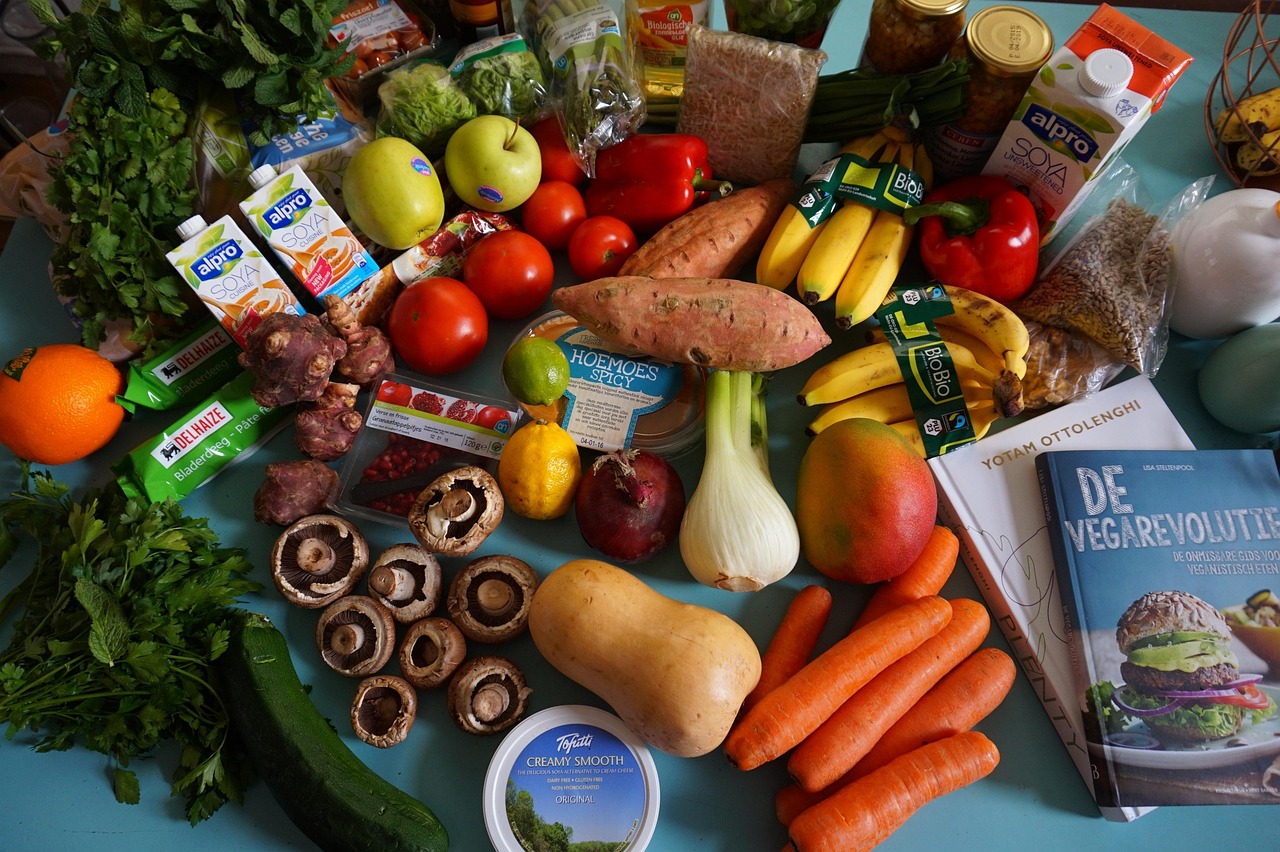

Shopping for Iron-Rich Foods to Support a Vegetarian Diet
Navigating vegetarian grocery shopping requires knowledge to ensure balanced nutrition. One of the most vital nutrients for vegetarians is iron. Lacking iron can lead to fatigue and other health issues. Therefore, knowing which foods to seek out is essential for maintaining energy levels. Adding various plant-based foods can significantly help boost iron intake. For instance, legumes such as lentils, chickpeas, and beans are excellent sources of iron and are versatile in meals. Exploring whole grains like quinoa, brown rice, and oats can also contribute significantly to iron levels. Furthermore, including nuts and seeds such as pumpkin seeds, almonds, and cashews is an excellent way to enhance overall iron consumption. It’s also beneficial to incorporate vitamin C-rich foods like oranges, strawberries, or bell peppers, which can enhance iron absorption in the body. When shopping, always inspect packaging for fortified options that enhance iron, as many cereals and bread products may offer additional benefits. Packaging can also highlight if iron has been included during processing, making it essential to check labels.
In addition to legumes and grains, consider including dark leafy greens in your diet. Vegetables like spinach, kale, and Swiss chard are not only rich in iron but also provide various vitamins and minerals. These greens can be easily added to smoothies, salads, or cooked dishes. One noteworthy point involves cooking times, as longer cooking can help reduce oxalate content, enhancing iron bioavailability. Don’t forget to explore the world of fortified nutritional yeast, which offers both iron and essential B vitamins. You can sprinkle it on various dishes for an added cheesy flavor. A well-balanced diet incorporating iron-rich foods is the key to a successful vegetarian lifestyle. Pay attention to preparation methods, as soaking beans and grains can help improve digestion while retaining nutrients. Certain cooking methods can affect iron absorption, so aiming for a balance in meal prep can yield positive results for your overall health. When considering calcium sources like tofu, remember too much calcium can impede iron absorption, so balance is required. Keep these tips in mind to optimize your grocery shopping for iron-rich vegetarian foods.
Understanding Iron Sources
Identifying iron sources can sometimes feel overwhelming, particularly for those new to a vegetarian diet. There are two types of iron important for understanding dietary choices: heme and non-heme iron. Heme iron is primarily found in animal products, while non-heme iron comes from plant sources. It’s crucial to note that non-heme iron absorption can be less efficient than heme iron, but with the right food combinations, its absorption can be enhanced remarkably. For instance, pairing iron-rich foods with vitamin C can improve absorption rates significantly. An example is having a spinach salad dressed with lemon juice or including bell peppers in a lentil stew. Paying attention to how to maximize iron absorption while in a vegetarian regime will greatly influence overall well-being. Seeking different recipes and meal ideas can also inspire creativity in your cooking while ensuring that you consume adequate iron. Be open to experimenting with unique spices and flavors that can make meals more enjoyable while supporting your dietary needs. Ranging from Mediterranean dishes to Asian-inspired meals, you can optimize your iron intake.
As you build your grocery list, consider snack options that are rich in iron as well. Some great choices include roasted chickpeas, trail mixes containing nuts and dark chocolate, or nut butter on whole grain toast. These snacks not only satisfy cravings but also contribute positively to your daily iron intake. Remember that tracking your consumption can help ensure you’re meeting your iron needs. Utilizing a meal planner or online diet tracker can help simplify this process. Whatever method you choose, ensure it aligns with your lifestyle preferences and goals to maintain a sustainable and healthy diet. Make a habit of checking your pantry regularly to avoid running low on key ingredients. Additionally, opting for organic foods can sometimes yield better nutrient profiles, so if your budget allows it, consider investing in organic produce. Shopping in bulk can also reduce costs while providing a variety of healthful options, especially for grains and legumes. Look for local farmers’ markets or bulk bins at grocery stores to find fresh produce and great deals. Taking time for careful planning will make your grocery shopping experience more fulfilling and nutrition-rich.
Label Reading for Nutrition
Another essential component of grocery shopping is learning to read nutritional labels effectively. Understanding serving sizes can help gauge the amount of iron present in food products. When examining food labels, also look for the percentage of daily values (%DV) your choices provide regarding iron, which may guide you in selecting better options. Products like cereals and plant-based milk often have fortified versions, making them suitable for meeting your iron needs. In addition to iron content, prioritize overall nutrition by considering fiber, protein, and fat content. Balancing these macronutrients complements an iron-rich diet by ensuring you feel satisfied and energized throughout the day. Pay attention to hidden sugars, which many packaged foods may contain. Secondly, choosing whole food options should be a priority to gain the most benefits. Opting for unprocessed foods will give you more nutritional advantages than heavily processed counterparts. Keep these tips in mind as you navigate the grocery aisles, enabling yourself to make educated decisions that support your vegetarian lifestyle effectively.
When selecting food items, bring a variety of breakfast options to your shopping list. Foods like fortified oatmeal or even chia seeds can make an excellent breakfast while also boosting iron intake. Smoothies are another innovative way to ensure you’re starting the day on a healthy note and can be easily modified with various ingredients. Pairing leafy greens, fruits, nuts, and seeds with a liquid base creates numerous delicious possibilities. Don’t forget about protein sources that contribute to energy, like beans in burritos or lentil soups. When considering food variety, switching up recipes, and meal plans can specifically cater to individual tastes and preferences. Many people prefer cooking in batches and freezing portions for easy meals later. Such meal prep promotes sustainability and reduces food waste as well. Moreover, cooking larger quantities can save time, allowing more focus on improving nutritional intake and well-being over time. Try to experiment with seasonal produce as it may enhance both flavor and nutrient density. Identifying local sources where you can source fresh vegetables can not only make meals interesting but also support local farmers.
Final Tips for Success
Ultimately, your grocery shopping efforts should work synergistically with your dietary needs. Regularly consulting a nutrition specialist can also provide tailored advice. Whether you’re new to vegetarianism or looking to enhance your nutrient intake, knowledge remains key. Taking the time to study food sources, learn effective meal prep strategies, and remain flexible in your approach will significantly elevate your vegetarian experience. Be sure to involve friends or family, as shopping together can make the process fun and educational. Consider learning new recipes and trying foods outside your comfort zone. This adds excitement to meal planning and reinforces healthy eating habits. Crafting a well-structured grocery list can alleviate the stress of making impulsive purchases while ensuring the necessary nutrient-rich foods are selected. Regular re-evaluation of your eating habits will aid in adjusting your grocery practices as needed. Lastly, enjoy the journey of exploring vegetarian food options – the diverse flavors will keep meals interesting and fulfilling. Such a mindset will greatly empower your culinary creativity and ultimately support your overall wellness objectives.
Your commitment to a vegetarian diet can open new doors to delicious culinary experiences that nourish both the body and soul. By incorporating a variety of iron-rich foods, creating a balanced meal plan, and actively participating in your grocery shopping, you can support your health effectively. Remember the importance of meal variety and adaptation, as this ensures you continuously enjoy your vegetarian journey. The tips provided should serve as excellent building blocks in constructing your unique vegetarian diet rich in iron. Embrace the versatility of plant-based nutrition and savor the flavors that contribute to your well-being. With practice, you will master the art of vegetarian grocery shopping and enjoy the rewards of better health.