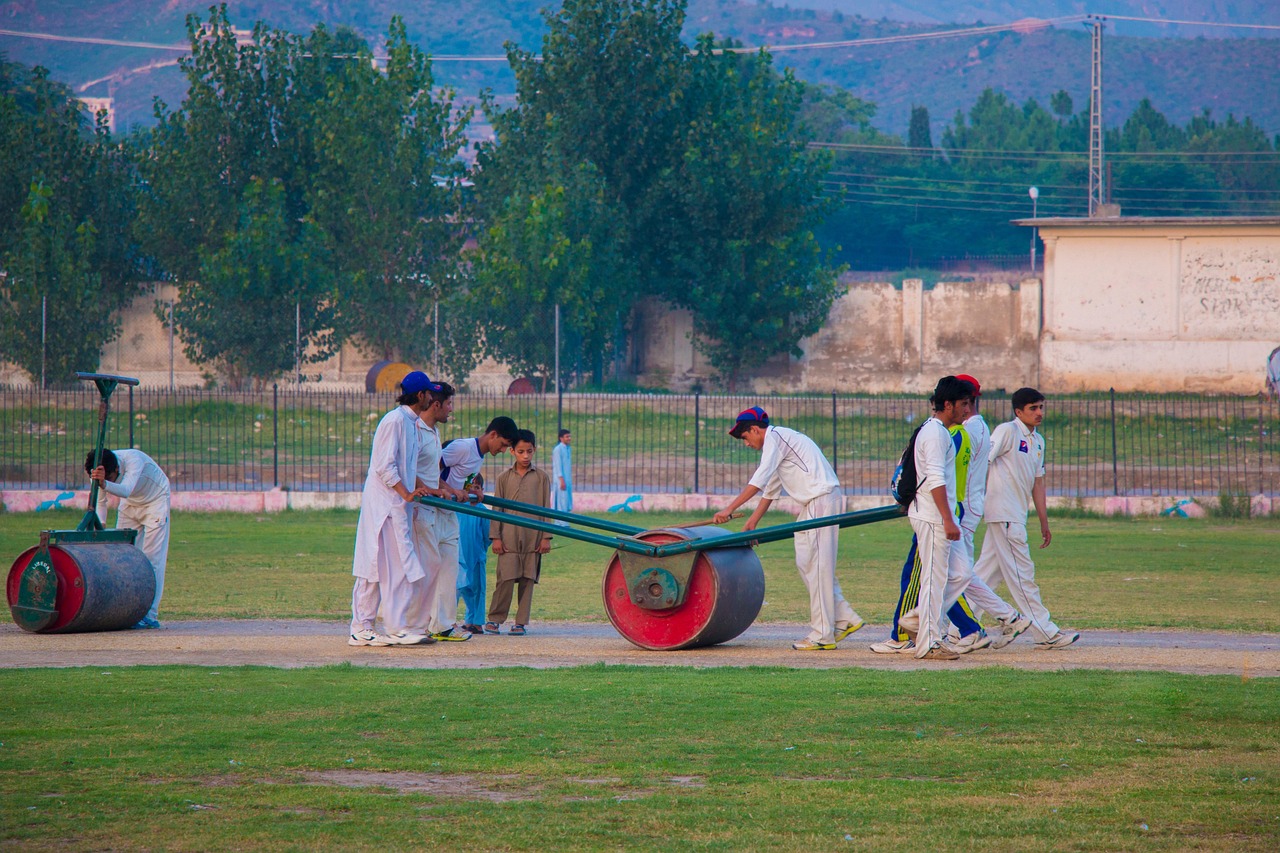

Safe Practices for Group Fitness Activities on the Road
When embarking on a group fitness journey, prioritizing safety is crucial. This ensures everyone can enjoy the experience without unnecessary risks. To start, it’s vital that participants are aware of their physical limitations. Engaging in activities that exceed one’s capabilities can lead to injuries, complicating what should be an enjoyable experience. Regular check-ins with all group members to assess their comfort and energy levels fosters a supportive atmosphere. Additionally, selecting safe and well-known locations for workouts minimizes potential hazards. Whether it’s a popular outdoor park or a well-manicured trail, familiarity with the surroundings builds confidence. Planning routes in advance and including a few alternative paths ensures that fitness sessions are versatile, accommodating varying fitness levels. This not only enhances enjoyment but also promotes teamwork and communication among participants. Carrying a first-aid kit is wise, providing immediate assistance if needed. Furthermore, staying hydrated throughout the activity directly affects group performance; ensuring everyone has access to water is essential. A shared support system enhances motivation and enjoyment, making the overall experience fulfilling and safe. In summary, preparation and attentiveness to group dynamics enhance safety during group fitness activities on the road.
Communication and Group Cohesion
Effective communication is the bedrock of safe group fitness activities. Before heading out, establishing a clear plan and set expectations enhances group cohesion and prevents confusion. All participants should understand the schedule, including arrival times, activity types, and designated trainers or leaders. This clarity fosters responsibility and allows everyone to prepare accordingly. Furthermore, encouraging open dialogues ensures that any participant concerns are heard and addressed promptly. Various methods like dedicated group chats or messaging platforms can facilitate quick communication. This ensures everyone is updated about any changes, such as weather conditions or route adjustments. Additionally, conducting warm-up exercises together not only prepares the body but also strengthens bonds within the group—providing essential motivation. Establishing checkpoints during the session allows for regrouping, creating opportunities for feedback and interaction. Incorporating light-hearted team-building exercises into the fitness regimen can boost morale and facilitate relationships, which is beneficial during long journeys. Remember to celebrate small achievements collectively, thereby creating a shared sense of accomplishment, which can significantly motivate the group. Ultimately, prioritizing good communication helps keep everyone engaged, aware, and safe during group fitness activities while fostering teamwork and camaraderie amongst the participants.
Another aspect to emphasize is conducting effective risk assessments before any road trip. Identifying potential hazards associated with specific locations or activities prepares the group for unexpected events when exercising outdoors. Factors such as weather conditions, local wildlife, and geographical terrain play pivotal roles in participant safety. It is advisable to research the planned locations ahead of time, noting possible risks to ensure everyone has the necessary equipment. Mapping out the route in advance not only helps in effective navigation but also identifies areas where participants may need to exercise caution. Discussing safety protocols, such as staying within designated paths and being mindful of surrounding environments, is vital. In the case of remote areas, consider having a designated leader to keep track of the group’s whereabouts. Additionally, creating a buddy system can be extremely helpful, providing immediate support if someone feels unwell or struggles. Also, be sure to have emergency contact details accessible while traveling. Ensuring that all group members have charged devices can communicate effectively in case of emergency further enhances safety. Taking these proactive measures establishes a culture of safety while reassuring participants and allowing them to focus on their fitness goals, making the journey more enjoyable regardless of the challenges faced along the way.
Health Considerations on Group Trips
Monitoring individual health concerns within the group is essential for safe fitness activities on the road. Participants may have various health issues; thus, discussing these before any trip helps create a supportive environment. Requesting information about allergies, chronic illnesses, or previous injuries enables better preparation and response measures. This knowledge empowers group leaders to tailor activities accordingly, ensuring modifications support everyone involved. Additionally, carrying necessary medications, such as inhalers for asthma or EpiPens for allergies, should be standard practice. It is crucial to designate specific members to ensure that these essentials are available during workouts. Keeping an eye out for signs of fatigue or dehydration helps maintain the well-being of the group as activities progress. Frequent breaks for stretching and hydration encourage participants to listen to their bodies, promoting a safer environment. Sometimes, people forget to refuel their energy, leading to potential risks. Moreover, it’s essential to recognize that everyone’s pace varies; promoting inclusivity by allowing individuals to take personal breaks when necessary enhances safety and enjoyment. Encouraging a supportive atmosphere fosters connections within the group, allowing participants to share concerns or discomfort without hesitation, ultimately putting safety first in every group fitness activity undertaken on the road.
Cultivating awareness of personal belongings in fitness groups is just as important as protecting oneself physically. Ensuring that all individuals keep track of their personal items, including bags and valuables, minimizes the risk of loss or theft. Establishing a designated area for personal belongings while participating in group workouts prevents confusion and ensures everything remains secure. Consider utilizing group organizers to manage items or encourage members to use fanny packs or running belts for essentials. Preventing overcrowding in shared spaces encourages personal accountability while also maintaining security. It is also crucial to instruct everyone on safety matters regarding their belongings. Emphasize never leaving personal items unattended in public areas, as this can draw unwanted attention. Encourage practice of securing valuables within the car if applicable, always keeping windows closed, and doors locked. Furthermore, develop a habit of reviewing belongings before leaving a location; doing so ensures that no one forgets anything behind. These precautions are especially important at crowded venues or busy parks where pickpockets might target individuals. Establishing a group policy regarding valuable items not only bolsters personal safety but enhances collective awareness, creating a more secure and enjoyable group fitness atmosphere overall.
Learning From Each Fitness Session
After each group fitness session, taking the time to reflect and discuss experiences contributes greatly to future safety. Gathering feedback from participants allows leaders to assess what worked well and identify any challenges faced during activities. Open discussions encourage mutual understanding and promote improvement for subsequent outings. Organizing a quick debriefing can also help reinforce key safety measures that participants may have overlooked. Highlighting safety lessons learned during each outing further solidifies the importance of preparedness before engaging in activities. Regularly testing different types of workouts helps gauge which activities suit the group dynamic best while building rapport among members. This experimentation allows for a broader range of fitness opportunities and helps discover innovative ways to keep participation levels high. Furthermore, sharing personal achievements and struggles inspires teamwork, creating a supportive bond within the group. Incorporating a goal-setting segment can enhance member motivation, tackling challenges as a unified team. Ultimately, prioritizing review and reflection builds a solid foundation for future group fitness sessions while ensuring that safety remains a top priority throughout the journey. Participants will feel more empowered and better equipped to enjoy workouts together on the road.
Maintaining proper nutrition during group fitness activities is fundamental to ensuring safety and peak performance. Prior to embarking on the trip, plan meals and snacks that will provide sufficient energy and hydration. Incorporating nutrient-rich foods like fruits, nuts, and whole grains fosters energy and stamina during activities. Consider informing participants about accessible healthy dining options at the destination for post-workout meals. Setting up a designated meal time assures everyone is refueled and ready for the next session, minimizing fatigue-related risks. Moreover, bringing personal water bottles for hydration may encourage participants to drink regularly. Emphasizing hydration’s importance, particularly in warm conditions, prevents any heat-related illnesses during workouts. Individuals should be educated about recognizing signs of dehydration and when to take breaks to replenish fluids. Scheduling meal times around workout sessions encourages a healthy and balanced approach, keeping everyone on track. Consider offering fun group cooking classes along the trip, empowering participants to learn about nutrition together. Providing resources and guidance to fuel the body reinforces safety while allowing participants to enjoy the physical challenges ahead. Overall, addressing nutrition enhances health awareness and fosters a culture of well-being during group fitness activities undertaken on the road.
As fitness enthusiasts travel together, recognizing the importance of downtime becomes essential for maintaining safety. Incorporating rest and recovery periods allows participants to recharge both physically and mentally, ensuring everyone remains engaged and injury-free. Prioritize scheduling leisure time on the itinerary, giving members a chance to socialize and unwind outside of rigorous workouts. This downtime allows participants to share experiences, laugh, and build connections, further strengthening the bond among the group. Moreover, encourage mindful practices like meditation or yoga during these breaks to promote relaxation and well-being. Inform participants about the benefits of restorative activities for enhancing overall fitness journeys while ensuring they feel supported. Taking care of one’s health encompasses a balance between exertion and recuperation; ensuring adequate recovery reduces the risk of burnout and injuries during workouts. Assessing energy levels frequently during activities allows trainers to modify plans if necessary, promoting an adaptable atmosphere. Ultimately, value-directed downtime compliments rigorous group fitness activities, fostering a healthier approach that prioritizes both well-being and enjoyment. Through thoughtful planning, a mindful approach to travel enhances the group fitness experience significantly, allowing individuals to return home refreshed and motivated to continue their fitness journeys.