
Incorporating Pilates for Core Strength and Progress Monitoring
Pilates has gained significant popularity over the years as a powerful method for improving core strength. Among the many benefits it offers, Pilates emphasizes the development of lean muscle through controlled movements. This is particularly effective for individuals aiming to track and enhance their core strength. Core strengthening not only contributes to better posture but also plays a crucial role in daily activities and athletic performance. With its focus on core muscles, Pilates uses various exercises that engage the abdomen, back, hips, and pelvis. Integrating Pilates into a fitness routine can lead to greater stability and flexibility. It also assists in injury prevention by reinforcing essential muscles that support the spine. To measure progress, one can keep a journal of exercises performed and note any increases in repetitions or duration. Regular practice ensures steady improvements and allows individuals to stay motivated by visualizing their growth. Furthermore, using props like resistance bands or stability balls can intensify workouts and enhance core activation, thus maximizing results. Tracking your progression not only motivates but helps you set achievable fitness goals for a stronger core.
Another effective way to monitor progress in core strengthening through Pilates is via assessments. These metrics might include gauging improvements in muscle endurance and stability over time. One suggestion is to perform baseline assessments every few weeks. During these assessments, individuals can evaluate their performance in various Pilates exercises, such as the plank or the hundred. These metrics allow for a comprehensive understanding of core strength development. Additionally, recording the maximum hold time for planks can be instrumental. Not only does it foster accountability, but it also guides you in refining technique and progressively tailoring workouts. Engaging with online communities or instructors can further enhance the tracking of your Pilates journey. Accessing resources, like instructional videos or workshops, equips individuals with techniques that help in setting realistic goals. With practice, accountability, and a willingness to improve, noticeable changes will begin to emerge. Regular reflection on your progress instills a positive mindset while fostering enthusiasm for future workouts. Ultimately, combining assessments with Pilates can lead to a sustainable path to core strength enhancement.
Incorporating a variety of core-focused Pilates exercises into your routine can significantly boost core strength. Unique activities like the Pilates roll-up, teaser, and side leg kick focus extensively on the central muscles. The roll-up enhances spinal articulation, teaching the core to work effectively. Meanwhile, the teaser challenges balance and coordination while targeting the abdomen. Additionally, these exercises create a deeper connection between the mind and body, which is essential for maximizing core activation. It’s beneficial to perform these exercises a few times weekly, allowing the body to adapt while avoiding burnout. Consistency is key, as strength gains may take time to manifest. To further diversify, consider enrolling in classes that emphasize core training through Pilates. Group workouts not only allow for practical learning but also encouragement from peers. Personal trainers may provide valuable insights into modifying exercises according to individual needs. Additionally, customizing your Pilates practice based on flexibility, strength, and experience can enhance effectiveness. It’s also vital to listen to your body; recovery days are essential for muscle growth. By consistently challenging the core, individuals will pave the way for exponential strength gains.
The Importance of Proper Technique
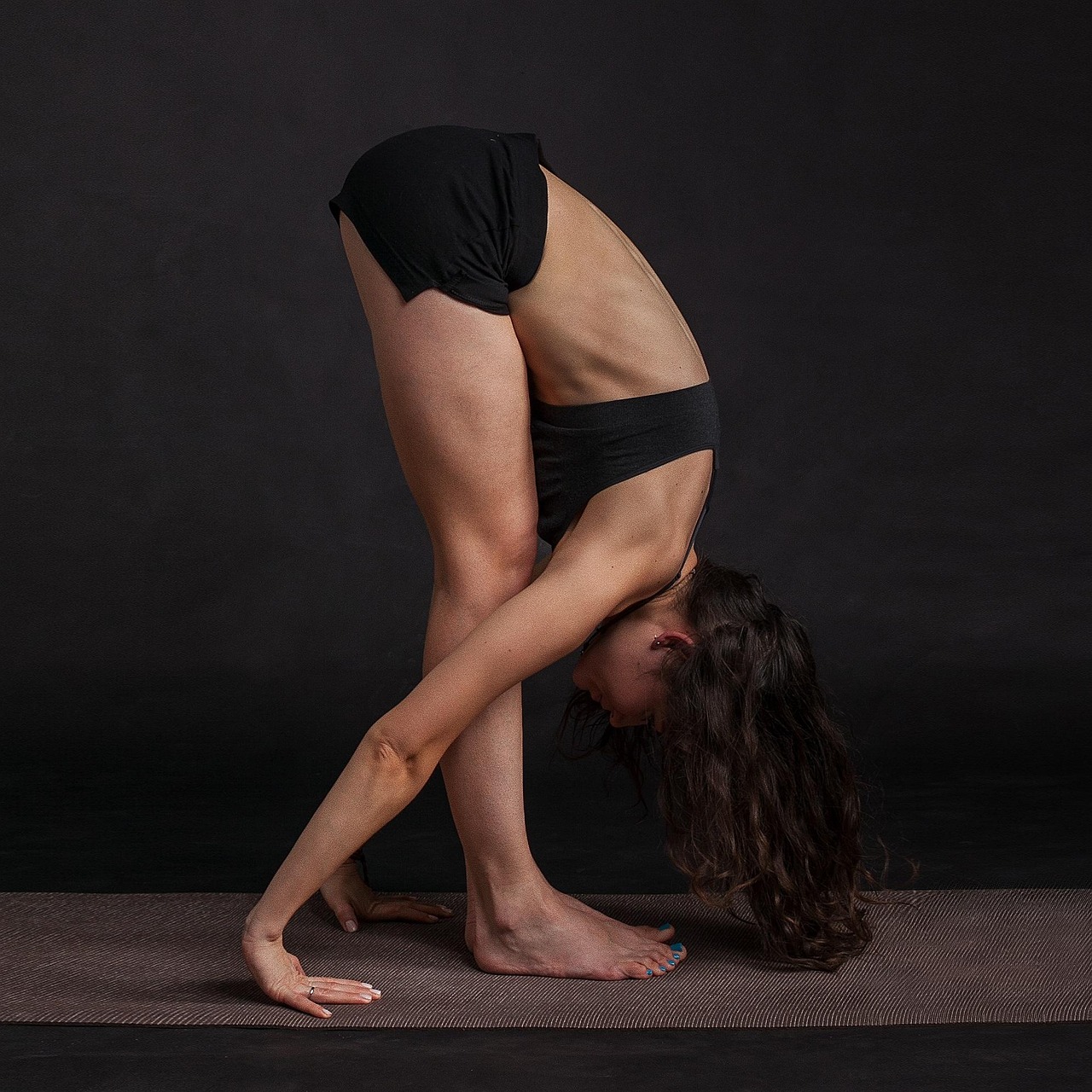
Maintaining proper technique during Pilates exercises is crucial for achieving desired results in core strengthening. Correct alignment and controlled movements prevent injury and enhance engagement of targeted muscles. This means understanding fundamental positions, like neutral spine, and ensuring they’re maintained throughout your routine. Without attention to form, the effectiveness of each exercise diminishes, making it harder to track progress. Therefore, taking the time to learn from certified instructors can significantly impact your experience. Visual aids, such as videos or diagrams, can facilitate better comprehension of techniques. This is paramount; knowing what a proper posture looks like ensures muscle groups are correctly engaged. Visualization assists in enhancing proprioception, often neglected in fitness practices. Observation of personal movement patterns can also reveal areas needing improvement. Utilizing mirrors during practice can help reinforce correct form and allow for real-time adjustments. Furthermore, incorporating feedback from instructors can guide modifications for enhanced outcomes. Practicing with intention benefits not just the core but overall fitness. By prioritizing technique, you’ll maximize strength development while minimizing risks associated with incorrect workouts.
Additionally, integrating breath work is essential in enhancing core strength during Pilates exercises. Learning to coordinate breath with movement not only increases the efficacy of each exercise but also promotes relaxation. Deep diaphragmatic breathing can effectively engage the core muscles, ensuring they are active and firing properly. This connection between breath and movement allows for a more profound workout experience and supports mental focus. Practicing breath control while performing movements like the hundred or bicycle can yield impressive results. As individuals become adept at harnessing their breath, coordination will improve, contributing directly to holding positions with ease. Moreover, incorporating breathing techniques can alleviate tension and lead to a clearer mindset through sessions. To facilitate this, consider dedicating portions of the workout solely to breath exercises before diving into core routines. Such methods enable a better understanding of how breathing dynamics influence muscle activation. Elevated mindfulness through breathing also fosters body awareness, essential to tracking strength progress accurately. In essence, integrating breath work into Pilates strengthens the connection between mind and body, spurring greater engagement for lasting core strength.
As you track your core strengthening progress, celebrating small victories becomes vital for sustained motivation. Recognizing incremental improvements ensures you remain committed to your Pilates journey. Regular assessment of performance metrics, like enhanced endurance or increased repetitions, becomes a rewarding experience. Sharing achievements with instructors, friends, or fitness communities can enhance your drive, creating an encouraging atmosphere. Consider setting mini-goals, where each achievement marks a notable point in your journey. Reflecting on your progress over time can reinforce your commitment, enabling the pursuit of further challenges. Documenting workouts and comparing notes allows insights into key areas that have improved significantly. Furthermore, accountability partners can amplify motivation, providing a sense of camaraderie in reaching fitness targets. Creating a vision board with visual reminders of your goals serves as an inspiring touchstone. It is essential to stay adaptable and patient, especially when faced with hurdles. Letting go of perfection encourages a healthier perspective that values all forms of progress, regardless of size. Ultimately, nurturing a positive mindset around goals transforms challenges into exciting opportunities for further core strengthening.
Conclusion
In conclusion, incorporating Pilates into a core-strengthening routine provides numerous benefits while allowing for effective progress monitoring. Through consistent practice, assessment, proper technique, breath work, and recognizing achievements, you can significantly bolster core strength. A strategic approach combining these elements fosters not only physical improvements but also a holistic sense of well-being. Building a stronger core translates to enhanced overall performance in various activities, from everyday tasks to athletic pursuits. Consider seeking guidance from certified instructors to enhance your practice and ensure safety while maximizing benefits. Remember that progress is not linear; it is crucial to adjust your approach based on what feels right for your body. Engaging in community practices can also enhance your journey while fostering connections with like-minded individuals. Adopting a mindset that values personal growth facilitates the achievement of long-term goals. Staying enthusiastic and committed to your Pilates practice nurtures resilience, leading to satisfying outcomes. By embracing each step of the journey, you will cultivate a stronger, more stable core over time, demonstrating that your commitment, patience, and practices truly pay off.