
Hydration and Pre-Workout Nutrition: Keys to Muscle Building Success
Proper hydration is a foundational aspect of pre-workout nutrition that is often overlooked. Staying hydrated ensures that your muscles are functioning at their best and helps in preventing fatigue during workouts. When your body is adequately hydrated, your performance can significantly improve, leading to better muscle gains. Before hitting the gym, it is essential to drink enough water to maintain optimal hydration levels throughout your workout session. Usually, drinking 16 to 20 ounces of water two to three hours before exercising is advisable. This practice can lead to better endurance and strength gains while working out. Furthermore, dehydration can hinder the body’s ability to recover post-workout, stalling progress and muscle growth. Incorporating electrolyte-rich fluids, such as a sports drink, can further enhance hydration efforts. These drinks replace lost salts and minerals and can improve performance by maintaining hydration during prolonged training sessions. Make sure to also pay attention to signs of dehydration, such as dizziness and fatigue. By prioritizing proper hydration, you set yourself up for success in achieving your muscle-building goals.
In addition to hydration, pre-workout nutrition plays a crucial role in muscle building. Fueling your body with the right nutrients before exercise can maximize performance and promote muscle growth. Consuming a balanced meal or snack before your workout helps provide the energy needed for high-intensity training. The ideal pre-workout meal should include a combination of carbohydrates and protein. Carbohydrates provide a quick source of energy, while protein aids in muscle recovery and can help minimize muscle breakdown during your workout. Aim to have your pre-workout meal about 30 to 60 minutes before starting your exercise routine. For example, a banana with a scoop of protein powder or a bowl of oatmeal with some nuts can effectively provide energy, leading to better workout results. Furthermore, consider avoiding high-fat foods prior to exercising as they can slow down digestion and cause discomfort. Experimenting with different foods can help you find what works best for your body. Therefore, planning your pre-workout nutrition is essential to optimize performance, ensure proper hydration, and support your muscle-building endeavors.
Timing your pre-workout meal is crucial for achieving optimal results in muscle growth. Consuming the right nutrients at the correct time can provide the drive you need for an effective session. Ideally, focus on eating a higher-carb, moderate-protein meal about one to three hours before training. This time frame allows your body to digest and convert the food into usable energy. If you have less time between your meal and workout, choose lighter snacks like a protein bar or Greek yogurt about thirty minutes before exercising. Studies show that having protein shortly after exercise can also enhance muscle recovery. Pairing protein with carbs post-workout replenishes glycogen stores and promotes muscle synthesis. Therefore, having a post-workout meal that encompasses carbs and protein, ideally consumed within thirty minutes after working out, can lead to faster recovery and overall improvements in muscle size. Furthermore, if you’re training intensely, you may need to eat again before bed to boost growth hormone levels and support recovery. Timing both pre and post-workout nutrition can make a significant difference in muscle-building success.
The Importance of Carbohydrates
Carbohydrates are a vital component of pre-workout nutrition for anyone looking to build muscle. They provide the necessary fuel for resistance training sessions and high-intensity workouts. Carbs are converted to glucose, which then becomes your body’s primary energy source during exercise. Consuming adequate carbohydrates can prevent fatigue and maintain your strength throughout the workout. Complex carbs like whole grains, fruits, and vegetables are excellent choices since they deliver sustained energy without causing blood sugar spikes. Additionally, a good pre-workout carbohydrate intake can enhance nitrogen retention, which is beneficial for muscle growth. Some studies suggest that consuming carbs before lifting weights can yield better workouts and improved strength production. This evidence highlights the role of carbohydrates in enhancing both performance and recovery after intense training sessions. Furthermore, ensuring you have enough carbs in your daily intake is essential not just for exercise but also for overall muscle recovery. Therefore, incorporating a variety of carbohydrate sources into your pre-workout meals can contribute significantly to muscle-building success.
Protein also holds considerable importance in pre-workout nutrition, particularly for those focused on muscle building. Consuming sufficient protein before exercising can help prevent muscle breakdown during intense workouts. Research indicates that having around 15 to 30 grams of protein in your pre-workout meal can provide significant benefits to muscle recovery and growth. Excellent protein sources include lean meats, poultry, eggs, dairy, and plant-based options like beans or lentils. This combination of protein and carbohydrates optimally prepares the body for strenuous physical activity. Additionally, taking a protein supplement, such as whey protein, can be a quick and effective way to ensure you’re getting enough protein before workouts. Timing protein intake correctly is essential as well, ideally pairing it with carbohydrates to promote better efficiency in energy use. Don’t forget that your muscles need the building blocks that protein provides to grow, so ensuring adequate intake can change workout effectiveness. Therefore, including protein in your pre-workout meals is essential in supporting overall muscle-building efforts.
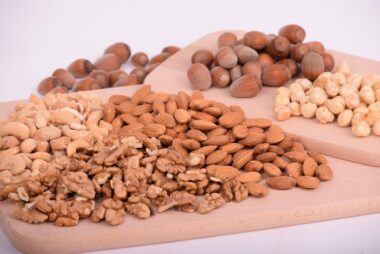
Another impactful element of pre-workout nutrition is the consideration of dietary fats, which can influence performance. Though fats are essential for overall health, focusing on fats before workouts should be approached with caution. High-fat meals can slow digestion, which may lead to discomfort during exercise. Instead, try to limit fat intake in your pre-workout nutrition, saving it for meals at other times of the day. It’s essential to focus on complex carbohydrates and lean proteins in the hour or two leading up to a workout. That said, including healthy fats in your overall diet, such as avocados, nuts, and olive oil, can still play a significant role in overall muscle building. These fats support hormone production, which is crucial for muscle growth and recovery. Balancing your macronutrient intake throughout the day, rather than solely focusing on pre-workout, is vital for long-term gains. Overall, prioritizing the right fuels in pre-workout meals can help maximize performance outcomes during strength-training sessions.
Hydration and Recovery
Hydration doesn’t stop at pre-workout; it continues into recovery. Replenishing fluids after exercising is vital for muscle recovery and overall health. Water helps transport nutrients to the muscles, promotes digestion, and helps eliminate waste from the body. After a workout, it is recommended to drink at least 16 to 24 ounces of water depending on your sweat levels. Some athletes may benefit from consuming recovery drinks or electrolyte solutions if workouts are prolonged or particularly intense. This practice can replace electrolytes lost through sweat and enhance recovery, ultimately fostering muscle growth. Additionally, adequate hydration post-workout can aid in joint lubrication and prevent muscle cramps. It can be easy to overlook hydration when focusing on nutrition, but remember that water plays a pivotal role in your overall muscle-building strategy. Assess how you feel after workouts to gauge hydration needs, and always listen to your body when it comes to thirst. In conclusion, prioritizing hydration throughout your workout routine will set a strong foundation for achieving your muscle-building goals.
Ultimately, integrating proper hydration and pre-workout nutrition is essential for muscle-building success. Formulating your nutrition strategy requires understanding how each aspect of your diet contributes to workout performance. Always consider how hydration and nutrient timing impact your energy and recovery. This practice not only ensures you’re prepared for workouts but also supports muscle growth and overall health. Consistently meeting your hydration needs and integrating carbohydrates, proteins, and balanced meals will maximize your workout results. Remember that consistency in nutrition habits is vital in baby steps toward achieving your athletic goals. The link between proper nutrition and workout performance cannot be overstated; adapt and refine your pre-workout strategies to see improvements. Whether you’re a novice or a seasoned gym-goer, paying attention to hydration and nutrition can profoundly impact your muscle-building journey. Thus, prioritize nutrition no matter where you are in your training. By doing this, you foster an environment conducive to muscle growth and progress, leading to lasting results.