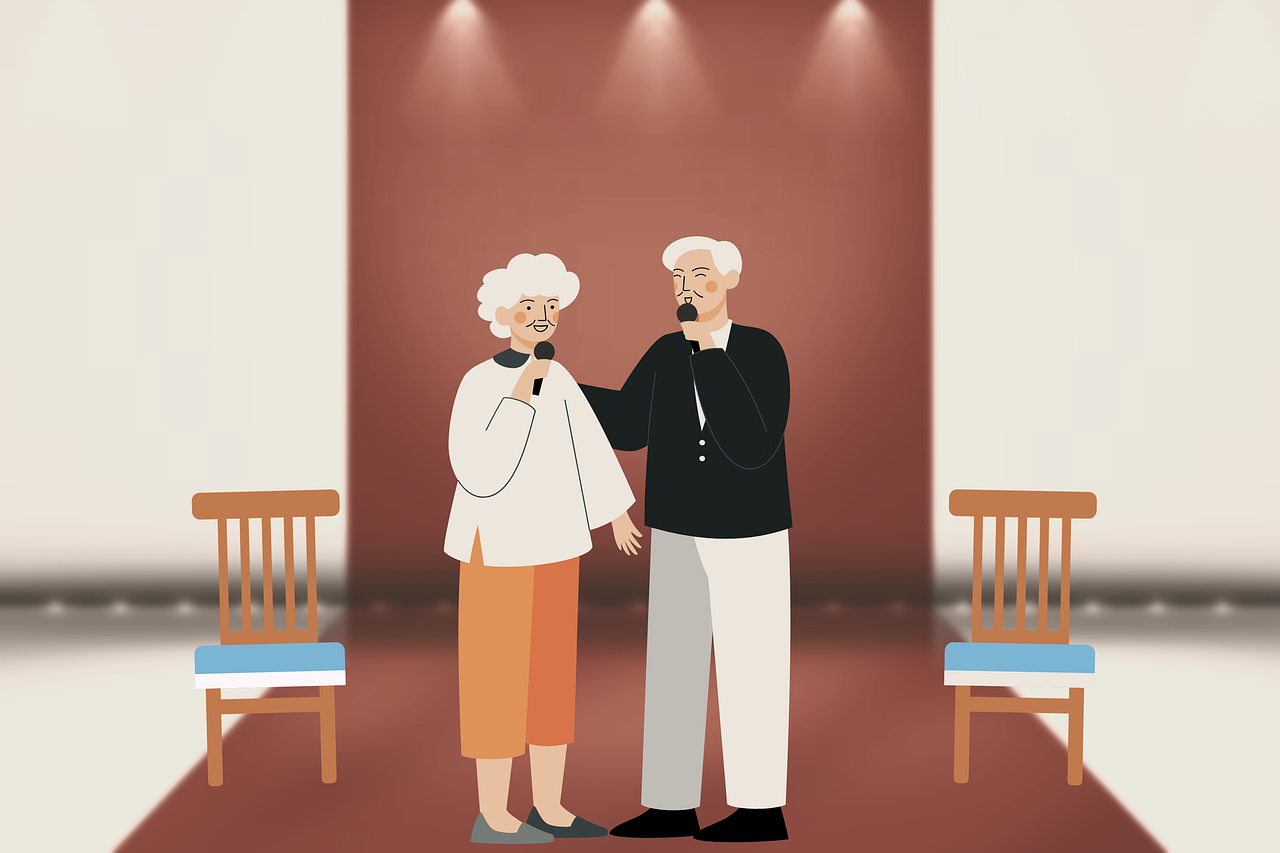

How Music Can Increase Fitness Motivation Among Seniors
Fitness motivation plays a crucial role in helping seniors maintain an active lifestyle. As individuals age, they often face various challenges that may dampen their enthusiasm for physical activities. Incorporating music into fitness routines can be an effective strategy to enhance motivation. Studies indicate that music can improve mood, boost energy levels, and increase adherence to workout programs, making it an essential tool for seniors. The right playlist can elevate the spirit, making the experience of exercising more enjoyable. Moreover, music has an ability to stimulate the brain, encouraging feelings of happiness. Many seniors enjoy nostalgic tunes, which can provide emotional connections and positive memories, promoting a sense of well-being. Therefore, using music tailored to individual preferences can lead to better exercise outcomes. It is beneficial to experiment with different genres, including classic hits, jazz, or even contemporary tunes, to see what resonates best. Incorporating music in fitness routines can provide a welcome distraction from physical exertion, enabling seniors to focus on enjoyment instead of discomfort. Thus, combining music with exercise could serve as a powerful invitation to keep moving.
Benefits of Music in Fitness
The advantages of music in fitness extend beyond mere enjoyment. Research shows that listening to music while exercising can significantly increase endurance levels. The rhythmic beats of songs can inspire seniors to push through physical barriers. Similarly, music can cultivate a positive emotional state by reducing feelings of fatigue and discomfort often encountered during workouts. It also allows for better synchronization of movements, enhancing the effectiveness of exercises. For instance, rhythmic music can coordinate with movements nicely, facilitating routines such as dancing, aerobics, or walking. Additionally, an upbeat tempo can invigorate workouts, transforming mundane sessions into exciting challenges. Therefore, it’s essential for seniors to select music that suits their workout intensity. Upbeat tracks are often ideal for high-energy activities, while softer melodies might be fitting for yoga or flexibility sessions. Furthermore, creating structured playlists can also help in developing a routine, making it easier for seniors to engage consistently. Overall, the integration of music into fitness routines promotes enhanced mood, increased energy, and improved overall fitness, creating a more inviting environment for seniors to embrace physical activity.
Establishing a connection between music and fitness can enhance motivation. When seniors associate certain songs with positive memories or experiences, it can create a powerful emotional response. These connections can transform the act of exercising into a pleasurable experience, rather than a chore. Music often serves as auditory cues, prompting excited engagement with physical activities. This psychological aspect of music is crucial for creating motivation to stay active. Furthermore, music can ease feelings of loneliness or isolation some seniors may experience. Group fitness classes that incorporate music also foster social interaction, providing an encouraging community atmosphere. Such environments further motivate seniors to stay committed. Encouraging family and friends to join can also amplify the benefits of music in fitness. This shared experience can result in positive encouragement and enhance adherence. Overall, fostering a culture that combines fitness and music can significantly uplift seniors’ well-being. By embracing music in their exercise regimens, seniors can infuse joy into their workouts. As these interactions grow, seniors may become more inclined to engage in regular physical activities, leading to improved health and vitality.
Curating the Perfect Playlist
To fully harness the motivational power of music, curating the perfect playlist is vital. Seniors should consider their musical preferences when selecting songs. Familiarity with tracks often creates a deeper emotional bond, making them more relatable. A playlist that resonates with their life experiences can invoke vivid memories, thus further encouraging activity. It is important to optimize playlists based on the types of workouts. For instance, high-energy songs can accompany cardio routines while slower tempos can be suitable for stretching or cooling down. Creating varied playlists catered to specific activities can spice up exercise routines. Additionally, incorporating themed playlists for holidays or special events can inject fun and excitement into workouts. Collaborating with family or friends in curating playlists can also foster a sense of community. Creating musical connections can lead to motivational group workouts. Streaming services provide an excellent platform for discovering new music tailored to various moods. Tracking the playlist’s performance against fitness objectives can also motivate seniors over time. Ultimately, taking the time to curate personalized playlists can lead to significant improvements in fitness motivation among seniors.
Another aspect to consider is the tempo of the music chosen. Research indicates that music with a tempo of approximately 120-140 beats per minute is often found to be motivating for most individuals, including seniors. This tempo provides an energetic push while maintaining a manageable pace suitable for various exercises. Careful selection of faster songs can elevate heart rates, prompting seniors to engage in more intense workouts. On the contrary, more relaxed tunes can encourage gentle stretching sessions or restorative yoga practices. Understanding how different tempos influence workouts aids in creating a broader approach to fitness. Moreover, many apps are available to assist users in matching songs to their workout schedules seamlessly. Sports and fitness applications often suggest playlists that match user profiles, ensuring a variety of genres that engage listeners effectively. Many seniors may find real-time recommendations helpful; this brings an exciting element to regular workouts. Additionally, remixing playlists and frequently updating selections can prevent monotony, keeping exercise routines dynamic and enjoyable. By combining song selection with the appropriate tempo, seniors can optimize their fitness experience.
Music as a Motivational Tool
Motivation can fluctuate greatly, especially in seniors embarking on fitness journeys. Music acts as a fundamental motivational tool to help overcome barriers associated with sedentary lifestyles. When exercise feels daunting, the right songs can ignite enthusiasm, making workouts more inviting. Often, seniors experience physical limitations that can discourage them; however, music can diminish those discouraging factors. A well-curated playlist not only brings joy but also presents an opportunity for a mental shift. The excitement of listening to beloved tunes encourages seniors to push through discomfort. Additionally, music can serve as a form of distraction, helping to divert attention from fatigue during intense periods of a workout. This distraction encourages individuals to sustain effort longer than they otherwise might. Joining dance classes or group workouts where music is involved can serve as an additional motivator. The social aspect further enhances motivation, where camaraderie thrives alongside shared musical experiences. Therefore, integrating music into physical activity is essential for boosting motivation and productivity among seniors, cultivating an enriching environment conducive to successful fitness efforts.
Music also plays a crucial role outside of exercise sessions. Welcoming music into daily routines can set a positive tone for the day. By lining up favorite songs in the morning, seniors can awaken joy and anticipation for physical activity later on. Incorporating music while carrying out household chores can result in perceived effort reduction. Movement can be more enjoyable and engaging when combined with upbeat tunes. In this context, music can nurture a continuous relationship with movement throughout the day. Moreover, sharing musical preferences with loved ones creates opportunities for intergenerational bonding over fitness. Encouraging family members to join in fun activities can strengthen connections. From group exercise classes to casual walks, music can enhance these experiences. Lastly, seniors might consider inviting friends for an at-home dance party to unlock joy and laughter amid exercise. Implementing music into everyday life can create a joyful atmosphere that imbues fitness motivation daily. Therefore, embedding music into their activities can ultimately uplift seniors’ lives, enabling them to engage in vital exercises with enthusiasm.
The Future of Music and Fitness for Seniors
Looking forward, the intersection of technology and music presents exciting opportunities for seniors seeking fitness motivation. Emerging fitness apps and wearable devices now allow personalized playlists to adjust dynamically according to workout intensity. As this technology evolves, the relationship between music and movement will only strengthen. Engaging with innovative platforms that allow seniors to discover new genres and song recommendations based on exercise history will enhance their fitness experiences. Furthermore, smart speakers can enhance workout environments by providing easy access to musical preferences without manual effort. These advancements can foster spontaneous exercise moments, making it easier to integrate movement into daily life. As music and fitness technology continue to converge, more adaptive options will arise to meet diverse needs within seniors. From virtual reality fitness experiences involving soundscapes to group classes with live music, the future is bright. Ultimately, by continuing to explore these intersections, seniors can find unique, effective ways to incorporate music into their fitness routines. Thus, empowering them to remain active for longer periods while staying mentally engaged and physically inspired.