
Flexibility and Coordination for Martial Arts Practitioners
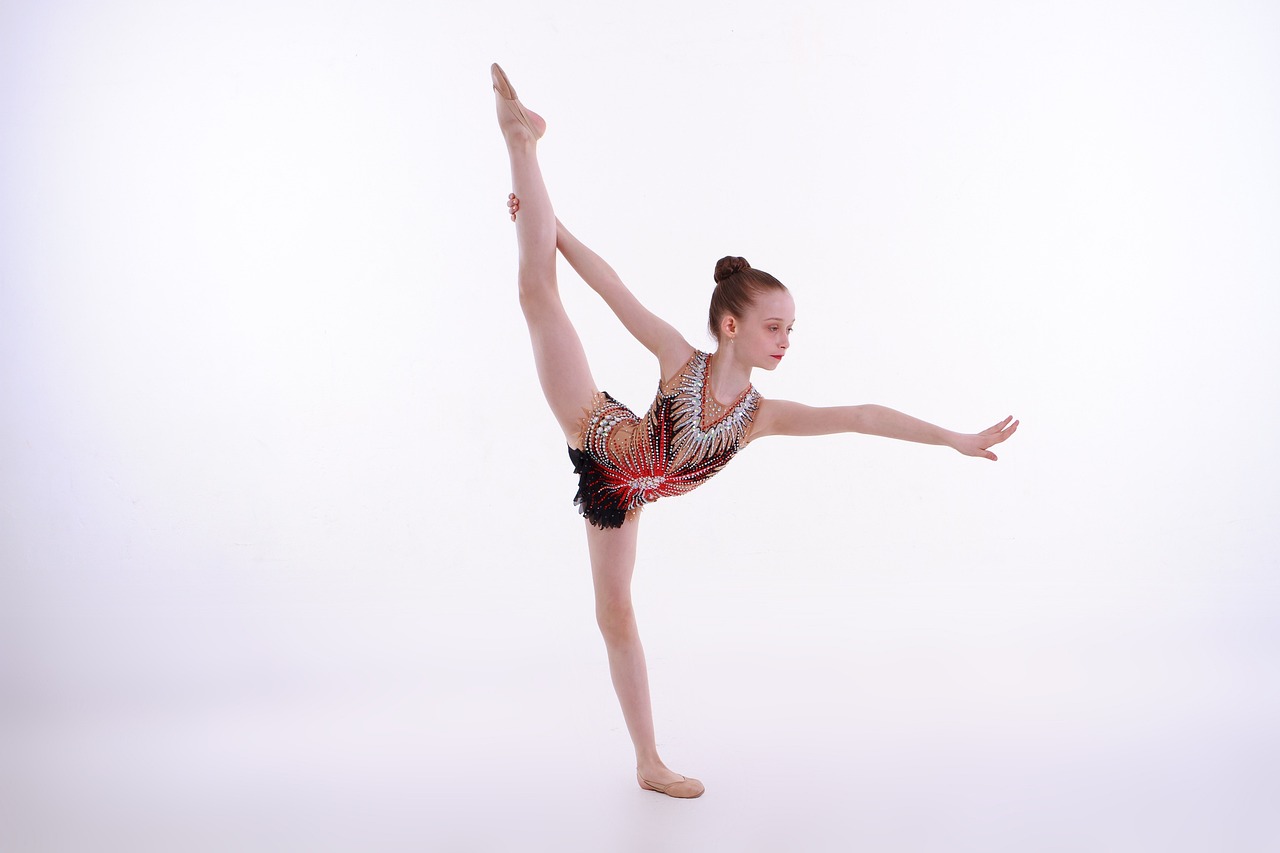
Flexibility and coordination are essential skills for martial arts practitioners. These abilities enhance performance, reduce injury risk, and improve overall effectiveness in various fighting styles. Practitioners often engage in tailored flexibility routines, which serve to elongate muscles, increase range of motion, and elevate balance performance. This training further fosters the ability to execute high kicks, deep stances, and swift transitions between techniques. Coordination, the harmonious functioning of body movements, is crucial in martial arts; effective combinations and techniques rely on synchronized actions. Additionally, flexibility contributes to better body alignment, resulting in sharper techniques. Training regimens often emphasize unique drills targeting coordination and flexibility. For instance, dynamic stretching and balance exercises due to their proven effectiveness in improving performance and safety. Integrating yoga, Pilates, or even dance movements into regular routines can also yield beneficial outcomes. Furthermore, participating in regular flexibility and coordination training cultivates body awareness. Martial artists become more attuned to their physical capabilities and limitations, resulting in improved performance during training and competition. Mastering these skills ultimately enhances a practitioner’s overall martial arts journey, making them more adept and agile fighters.
To develop flexibility, martial arts practitioners can employ various techniques and methods. Static stretching, performed after training, helps elongate muscles and increase flexibility over time. To ensure safety and effectiveness, practitioners should focus on proper technique and hold stretches for at least twenty seconds. Dynamic stretching, typically performed before training sessions, promotes blood flow and prepares muscles for movement. It’s important to include exercises targeting all major muscle groups for a comprehensive approach. Another effective technique is partner-assisted stretching, where a partner helps achieve greater flexibility through guided movements. Moreover, martial arts classes often incorporate specific drills designed to enhance flexibility, such as kicks and lunges. While flexibility is vital, practitioners must not neglect strength training to maintain a balanced physique. Strong muscles protect flexible joints and support overall movement quality. Additionally, incorporating Pilates or yoga can improve both strength and flexibility, fostering overall body balance. Consistency in training is critical; practitioners should aim for regular sessions focused on enhancing both flexibility and coordination. Optimal outcomes are achieved through commitment to these practices. As martial artists invest time into perfecting these skills, their results in performance will undoubtedly be noticeable during their training.
Importance of Balance
Balance is another critical component of martial arts that closely relates to flexibility and coordination. A strong sense of balance heightens a practitioner’s ability to execute techniques efficiently, whether striking or grappling. Balancing exercises, such as standing on one leg or using a stability ball, can significantly improve overall stability. Enhanced balance leads to increased power generation during strikes and improved control during combat situations. By incorporating drills focusing on various types of balance into training, martial artists can develop effective stances and transitions. These exercises can range from simple to complex movements, thereby promoting greater body awareness and responsiveness. Practitioners who develop exceptional balance are also less vulnerable to falls and injuries. Additionally, integrating skills from sports like gymnastics or dance can further enhance balance training. Martial arts benefit from diverse approaches to balance, as many techniques require quick adjustments in response to opponents. Moreover, improved balance positively impacts overall physical fitness, fostering agility. A comprehensive training plan that emphasizes balance will ensure martial artists perform effectively during practice and competition. Therefore, practitioners must remember that balance is equally as important as flexibility and coordination throughout their training journey.
Incorporating fitness training into martial arts is crucial for enhancing flexibility and coordination. Cardiovascular exercises, strength training, and type-specific drills will build a solid foundation essential for martial artists. Cardiovascular workouts, like running or swimming, improve overall stamina, allowing practitioners to endure long training sessions and matches. Strength training, focusing on core strength, helps maintain balance and posture while executing movements. Additionally, including resistance bands or weights in training routines can yield impressive results. Engaging in sport-specific drills that focus on improving flexibility and coordination can bolster development in these areas. Such drills require quick, controlled movements which mimic actual combat situations. Practitioners should periodically assess their progress, ensuring they focus on areas needing improvement. Incorporating rest and recovery strategies is also vital, ensuring muscles remain engaged and injury-free. Stretching or foam rolling may alleviate soreness and keep flexibility levels optimal. Practitioners must listen to their bodies and maintain proper hydration throughout their training. Emphasizing a holistic fitness approach will lead to greater success, not only in martial arts but also in general physical health. Ultimately, effective fitness training supports long-term progress in flexibility, coordination, and performance.
Cool Down Techniques
Cool down routines play an essential role in the performance of martial arts practitioners, particularly in relation to flexibility and coordination. Post-training cooldowns allow the body to gradually transition to a resting state, reducing muscle tension and promoting overall recovery. Practitioners can incorporate gentle stretches targeting the core muscle groups to assist in this recovery phase. This practice facilitates blood flow and helps prevent stiffness, ensuring improved flexibility for future sessions. Moreover, cool down techniques contribute to better mental clarity, allowing martial artists to reflect on their training while promoting relaxation. Including deep breathing exercises during cooldowns can benefit mental focus and combat stress levels. This mental aspect is integral to a martial artist’s journey, as maintaining focus is vital during competitions. Many practitioners choose to integrate meditation or visualization techniques into their cooldown sessions, reinforcing mental preparedness. By fostering a balance between physical and mental recovery, martial artists can enhance both flexibility and coordination through their cooldown routines. Thus, dedicating time for essential cooldown activities ensures improved performance, while also prioritizing overall well-being for martial arts practitioners.
Nutrition is a vital factor in supporting flexibility and coordination for martial arts practitioners. A balanced diet composed of macronutrients—carbohydrates, proteins, and healthy fats—fuels physical activity and aids muscle recovery. Protein plays a central role in repairing damaged tissues post-training, ensuring that practitioners successfully maintain their strength. Additionally, incorporating fruits and vegetables into daily meals promotes overall health and enhances flexibility by providing essential vitamins and minerals. Hydration also deserves special attention, as proper water intake supports muscle function and recovery while preventing injuries. Martial artists should aim for an individualized hydration strategy, ensuring they consume water before, during, and after training sessions. Supplements, if utilized responsibly, may aid in reaching nutritional goals. However, practitioners must consult a qualified healthcare professional before introducing any supplements into their regimen. Creating a cohesive eating plan focused on nutrient-rich foods will support enhancing flexibility and coordination. Moreover, understanding the role nutrition plays in performance allows martial artists to take proactive measures towards achieving their goals. As they invest time in refining their diet, they may notice significant improvements in their skills and overall physical well-being.
Set Goals for Progress
Setting clear goals is pivotal for martial arts practitioners striving to enhance flexibility and coordination. Goals create a structured plan that guides practitioners in their training journeys. These objectives should adhere to the SMART criteria—specific, measurable, attainable, relevant, and time-bound. By setting achievable deadlines for improving flexibility or achieving certain techniques, practitioners can maintain motivation and track their advancements. For example, aiming to increase the height of kicks or successfully execute a series of complex movements in coordination drills can serve as excellent benchmarks. Consistent assessments and reevaluations of progress are essential for staying on track. Adjusting training plans based on results allows practitioners to refine their focus as they progress. Setting short-term or long-term goals fosters a sense of accomplishment and nurtures discipline throughout the training process. In addition, collaborating with instructors can provide valuable feedback and facilitate skill development. Engaging in regular discussions about objectives will ensure all training efforts align with personal aspirations. Thus, commitment to goal-setting processes enhances ownership of training, leading to cultivated flexibility and coordination. Practitioners will ultimately find that achieving their goals enriches their martial arts experience, driving them forward.
Flexibility and coordination are critical components of success in martial arts, making them vital areas for practitioners to focus on in their training. This article examined the importance of flexibility and coordination, emphasizing effective techniques and training regimens. From incorporating various drills to setting clear goals, commitment to developing these skills will yield positive results in martial arts performance. Each practitioner can benefit from a tailored approach, ensuring they meet their unique needs while progressing at their own pace. By nurturing a consistent practice that includes flexibility and coordination activities, martial artists not only enhance their techniques but also foster overall physical health. Such skills contribute to the longevity and enjoyment of their martial arts journey. As they pursue mastery in flexibility, balance, and coordination, martial artists will become adept fighters capable of navigating diverse challenges in their training. Fostering networking and support among fellow practitioners may create a sense of community, enriching their experiences further. In summary, focusing on flexibility, coordination, and balance will lead to success, on and off the mat, enriching the martial arts journey for all practitioners.