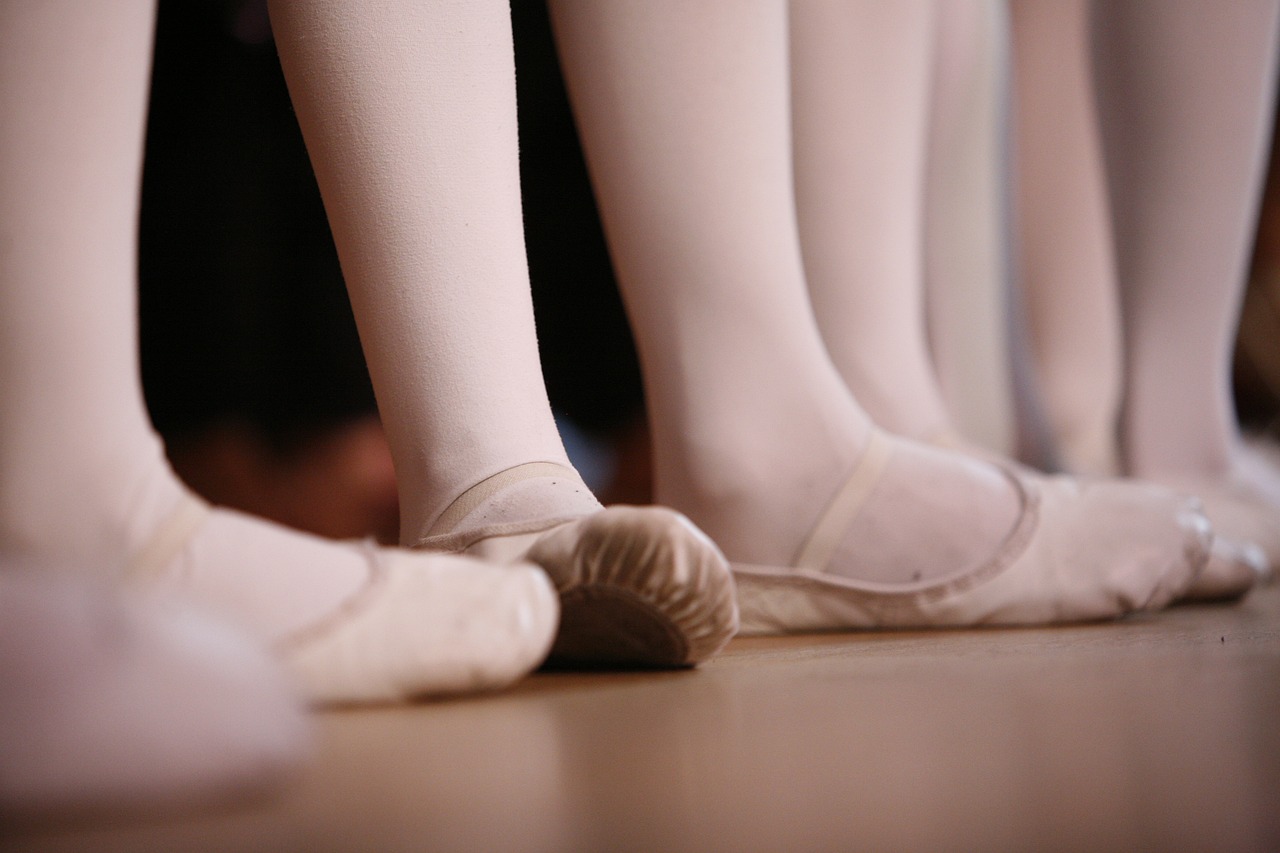

Effect of Foot Posture on Overall Athletic Posture and Performance
The foundation of athletic performance often lies in foot posture, a critical factor that many athletes overlook. Proper foot alignment influences not only balance but also how the rest of the body functions during physical activities. Incorrect posture can predispose athletes to injuries, diminishing performance levels. When the feet are misaligned, the mechanics of movement can become inefficient. This inefficiency leads to compensatory patterns throughout the kinetic chain, often resulting in weakness or tightness in specific muscle groups. For athletes, understanding foot posture is essential in optimizing performance. By assessing individual foot structures, conditioning programs can be tailored to enhance athletic capacity. Several factors influence foot posture, including genetics, footwear, and training surfaces. It’s crucial to identify common foot types such as flat feet or high arches. These variants dictate the course of physical performance and recovery times following exertion. A targeted assessment helps identify postural imbalances, allowing corrective measures to be taken. Improved foot alignment subsequently enhances overall athletic performance, highlighting the importance of maintaining a well-aligned posture through effective training methods and regular assessments.
One primary aspect of foot posture in relation to athletic performance is its ability to contribute significantly to proprioception. Proprioception refers to the body’s awareness of its position in space, which is vital in sports that require agility and coordination. When athletes have optimal foot positioning, they can more effectively sense changes in terrain and stabilize themselves during dynamic movements. This increased awareness allows for quicker reactions and greater precision when executing skills. For example, in sports like soccer or basketball, players need to adapt their movements swiftly in response to opponents or the playing surface. Additionally, poor foot posture can lead to diminished proprioceptive feedback, resulting in altered balance and stability. The consequences of which can range from suboptimal performance to serious injury. Comprehensive assessments that include proprioceptive testing should be conducted regularly. This ensures that any loss of proprioceptive ability stemming from poor foot posture is identified and addressed through targeted strength and flexibility exercises. Enhancing proprioception through proper foot assessment thus plays a pivotal role in improving athletic performance across various sports.
Impact on Athletic Performance
The impact of foot posture on overall athletic performance cannot be overstated. It influences several kinetic chain components, including how forces are generated and absorbed during movement. For instance, runners with excessive pronation or supination may experience altered joint mechanics, leading to inefficient energy transfer. When foot posture is aligned, athletes can achieve a more effective push-off and landing phase. This helps in reducing the incidence of common injuries such as shin splints or Achilles tendinitis. Furthermore, appropriate foot posture not only enhances performance but also improves recovery rates post-exercise. Following proper techniques, athletes can experience less muscle soreness and fatigue with better biomechanics. Implementing solutions based on specific foot postures, like orthotic devices or specific training interventions, can significantly help in minimizing performance deficits. By addressing foot-related issues early on, athletes can maintain optimal function throughout their sports season. Continuous education about the importance of foot mechanics is essential among coaches and trainers. This ensures that athletes are well-informed about the role of foot posture in their training regimens, leading to more robust performance levels overall.
Another crucial factor related to foot posture is the connection between footwear and athletic performance. The choice of shoes plays a pivotal role in supporting appropriate alignment and facilitating optimal movement patterns. Footwear that is not tailored to an athlete’s specific foot structure can exacerbate existing postural issues, leading to inefficiencies and injuries. For instance, those with high arches may benefit from shoes with added cushioning, while individuals with flat feet might require stability-enhancing options. It’s essential for athletes to select shoes that accommodate their foot type effectively. Regular assessments are necessary to ensure that footwear remains supportive as athletes’ needs evolve. Coaching staff should always emphasize the importance of choosing proper footwear. For best results, they can collaborate with podiatrists or sports performance experts. This collaboration can shed light on individualized footwear recommendations tailored to foot structure and athletic demands. Additionally, educating athletes on signs of inappropriate footwear can empower them to select proper options that support their performance goals.
Incorporating Assessments
Integrating regular postural assessments into an athlete’s training routine can significantly enhance performance. These assessments should encompass not only foot posture but also a thorough evaluation of the entire kinetic chain. Understanding how foot positioning influences knees, hips, and the lower back helps in creating a comprehensive picture of overall athletic function. A multi-faceted approach can identify potential weaknesses before they become problematic. Moreover, early detection of postural issues can facilitate timely interventions. Coaches should collaborate with professionals such as physiotherapists or chiropractors to perform detailed evaluations. By combining expertise, they can devise individualized training programs addressing specific postural anomalies. Regular follow-ups and reassessments are crucial to ensuring that athletes are making progress and maintaining optimal alignment. Simple strategies like targeted stretching and strengthening exercises can be implemented effectively. Incorporating these practices may prevent injury, enhance movement efficiency, and improve overall athletic performance.
Performance improvement through effective postural assessments is not just for competitive athletes but for anyone who engages in physical activity. Recreational sports participants also benefit from ensuring proper foot posture to enhance their enjoyment whether casual runners or weekend warriors engaging in activities like hiking or cycling. Addressing foot-related issues can help everyday athletes prevent injuries that might hinder their ability to train or compete. Furthermore, optimizing foot alignment can lead to improved stability, balance, and power. All these attributes contribute positively to recreational athletes’ performance outcomes. Incorporating assessments into regular training routines can empower individuals to take charge of their physical health. Consequently, they may experience increased confidence in their ability to perform. Programs focused on education and self-assessment promote a proactive mindset toward injury prevention. This further reinforces the importance of understanding foot posture’s role in athletic performance for every level of athlete, from beginner to elite. Ultimately, this holistic approach benefits the sports community as a whole.
Conclusion
In conclusion, the effect of foot posture extends beyond athletics into rehabilitation and wellness. Awareness of foot position’s influence on overall body mechanics is crucial. Preventing injuries requires understanding the foundational role of the feet in maintaining proper postural alignment. Foot posture impacts not only physical performance but also long-term health if left unaddressed. Regular assessments and necessary interventions can lead to significant advancements in the performance capabilities of athletes. This emphasizes the need for ongoing education in the sports community regarding foot health. Athletes must take proactive steps to address their foot posture, ensuring they are equipped for optimal performance. Coaches should advocate for incorporating regular posture evaluations into training protocols. By fostering a culture of awareness and regular assessment, athletes can benefit from improved performance and minimized injury risks. The significance of foot posture in sports performance highlights the necessity for continuous collaboration among trainers, coaches, and medical professionals. Together, they can create a comprehensive plan addressing foot posture issues and improve overall athletic performance in a meaningful and impactful way.
In summary, the interconnectedness of foot posture and athletic performance is profound. Correct alignment nurtures strength, balance, and coordination essential for success in sports. The importance of regular assessments and interventions in enhancing physical performance and injury prevention cannot be overstated. This holistic approach ensures athletes remain aware of their unique needs, leveraging targeted strategies to foster robust athletic performance throughout their careers. Emphasizing education around the significance of foot posture is necessary for raising awareness in the athletic community. A focus on practical applications helps athletes understand how adopting healthy foot practices can lead to a long-lasting impact on overall physical fitness and health.