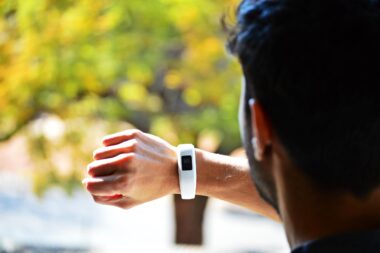

Cybersecurity Challenges in Fitness Tech Devices
The rapid integration of technology in the fitness industry has resulted in significant improvement in how users engage with their workouts. However, one major downside is the potential for cybersecurity vulnerabilities that accompany these advancements. Fitness tech devices like wearables, smart machines, and health apps collect and store vast amounts of personal data. This data can be exploited if not adequately protected. As a result, fitness companies must prioritize cybersecurity to safeguard user information from breaches. Additionally, with the growing number of connected devices, the attack surface significantly expands, making it harder to monitor and secure. Fitness technology providers should conduct regular security assessments and adopt best practices to keep their systems safe. Implementing stringent protocols for user authentication, encryption of sensitive data, and continuous monitoring can help combat these challenges. Furthermore, manufacturers and developers in this field owe it to users to raise awareness regarding cybersecurity measures. Users must be informed about the risks they face, especially when using technology linked to their health metrics. This combination of transparency and technological diligence creates a safer environment for everyone in the fitness realm.
Operating in the fitness market necessitates an understanding of the vulnerabilities that devices may face. As more customers turn to smart technology for guidance in their fitness journeys, potential attackers target these devices. One prominent risk includes the use of unsecure networks, potentially leading to unauthorized access. For users, connecting fitness devices to public Wi-Fi networks can expose their personal information, including login credentials, health statistics, and biometric data. Ultimately, lack of awareness regarding proper network security places users at risk. To mitigate these risks, it’s crucial for fitness technology companies to implement robust security measures. They should actively promote the usage of VPNs (Virtual Private Networks) and offer guidelines on secure usage of devices. Additionally, companies must consider developing features that enhance user security, such as automatic updates to patch vulnerabilities as they arise. By fostering a culture of security and encouraging users to adopt best practices, the fitness industry can enhance its resilience against cyber threats. Thus, a collaborative effort between users and manufacturers will create a stronger, more secure ecosystem for fitness technology.
The Importance of Data Protection
Data protection plays a vital role in the fitness industry’s technological advancements, especially with the implementation of connected devices. One primary concern revolves around the collection and storage of personal data, which is prone to malicious attacks if not properly safeguarded. The healthcare sector has set pioneering examples of data management and security; fitness companies can adopt similar best practices to enhance their security framework. Strong data encryption is crucial for protecting user information both in transit and at rest. Keeping software and firmware up to date creates a significant barrier against hacking attempts. Regular employee training on cybersecurity awareness is another essential step towards building a secure environment. Companies must ensure that employees understand the sensitivity of data they handle daily. Establishing a proactive stance means anticipating potential threats and addressing them before they damage company interests. Moreover, it’s also essential to have a clear data breach plan, which outlays steps for companies to follow in case a breach occurs. By doing so, they can minimize damage and protect user confidence in their brands. Ultimately, instilling data protection as a core value will greatly benefit the fitness industry.
Cybersecurity challenges present unique hurdles for fitness technology companies. Fitness devices often contain sensitive health data related to users’ activities and medical conditions. Increasing sophistication of hackers means they are more likely to exploit vulnerabilities within these systems for financial gain or other malicious purposes. One serious challenge includes the use of outdated software, which can be an easy target for those who seek to breach device security. Companies must implement robust patch management policies to ensure that all devices receive timely updates. Furthermore, considering the implications of connected devices in a user’s life can enhance developers’ understanding of risks. Involving cybersecurity experts during the product development process can also lead to more secure designs and protocols. Regular vulnerability assessments are crucial, allowing companies to check for weaknesses in their tech infrastructure. The trend indicates an increased need for collaboration among various stakeholders within the fitness tech ecosystem. Sharing knowledge and practices will be vital for developing resilient strategies to counter cyber threats. Only by working together can fitness technology companies build a foundation that effectively protects user data from emerging threats.
Regulatory Compliance Necessities
As the technological landscape evolves, so do regulatory requirements surrounding data protection in fitness technology. Companies must navigate complex legal frameworks that govern how user data is collected, stored, and shared. Regulations like GDPR in Europe and HIPAA in the U.S. serve as benchmarks for ensuring user privacy and data protection. Failure to comply can lead to significant financial penalties and reputational damage. It’s critical for fitness organizations to engage legal experts who can guide them through compliance requirements relevant to their operations. Developing privacy policies that align with regulations is not only a legal obligation but also fosters trust among users. Customers are more likely to engage with brands that demonstrate a commitment to safeguarding their data. Additionally, transparency in how user data is perceived and what measures are taken to protect it can create a positive brand image. Furthermore, establishing compliance initiatives helps in preempting potential legal challenges. Meaningful progress towards achieving regulatory compliance will contribute to a culture of accountability within fitness tech companies. This proactive approach enables firms to remain competitive while ensuring the protection of their users’ health information.
In the fitness tech landscape, public perception can greatly influence user adoption and trust. Users need assurance that their personal data is secure when they opt to use advanced fitness devices. Regular reports and audits on cybersecurity practices should be shared with users to demonstrate transparency and accountability. Educating consumers about potential risks they might face emphasizes the importance of user vigilance. Providing engaging content regarding best security practices can empower users to safeguard their data. For instance, encouraging the use of strong and unique passwords and the activation of two-factor authentication can greatly reduce the risk of unauthorized access. Additionally, offering resources such as tutorials on securing devices can further assist users. The credibility and reputation of fitness brands hinge on their ability to protect user data effectively. By taking an active role in educating users, companies position themselves as trustworthy partners in their health journeys. Overall, fostering a culture of cybersecurity education will ensure a more secure experience for everyone involved in the fitness industry. This mutual understanding can cultivate lasting relationships between users and technology that reigns supreme in the fitness sector.
Future of Cybersecurity in Fitness Tech
The future of cybersecurity in fitness technology will undoubtedly include advanced strategies to combat emerging threats. As fitness devices become more sophisticated, so must the security measures that protect them. With the advent of emerging technologies such as AI and machine learning, companies will be equipped to respond proactively to potential threats. Enhanced monitoring capabilities can provide real-time analysis of user data and device activity, spotting unusual patterns indicative of cyberattacks. Moreover, employing AI-driven security measures allows for faster response times and fewer false positives, making cybersecurity efforts more effective. Another key area to explore will be the integration of blockchain technology, which promises to create immutable records of transactions, ensuring data integrity. Through strategic partnerships and collaboration, companies can bolster their defenses against cyber threats. Sharing information about the latest threats and security techniques will foster a more secure fitness technology environment. Additionally, as awareness surrounding cybersecurity grows, companies must be willing to adapt and innovate continuously. The commitment to secure user data will ultimately influence the direction of fitness technology, shaping how users interact with their devices and fostering trust within the industry.
The increasing complexities of cybersecurity require a dedicated approach from all stakeholders within the fitness industry. As technology continues to evolve, so too must our understanding and responses to cybersecurity threats. Companies should invest in skilled personnel who can remain ahead of potential threats, ensuring a culture of cybersecurity awareness permeates their organizations. Organizations may consider forming alliances with cybersecurity firms that specialize in IoT device protection, subsequently enhancing their product offerings. Establishing a dedicated cybersecurity team responsible for intrusion detection, vulnerability assessments, and incident response can be a game-changer. Keeping pace with industry standards and best practices through continuous education and training is necessary. Therefore, investing in consistent training programs for staff will help them adapt to the latest threats and challenges. Moreover, the integration of user feedback in developing security features can create a more responsive security strategy. By establishing channels for user communication, companies can identify weaknesses and areas requiring improvement. As technological disruptions reshape the fitness landscape, a united focus on cybersecurity will ensure trust in fitness tech devices for years to come.