
Can Drinking Too Much Water in Hot Weather Be Harmful?
Hydration is essential during hot weather, but excessive water intake can indeed become harmful. Many individuals assume that drinking more water helps with heat-related issues; however, overconsumption can lead to a condition known as water intoxication or hyponatremia. This situation occurs when the balance of electrolytes in your body is disrupted, causing an abnormally low sodium level in the blood. Symptoms can range from mild to severe, including headaches, nausea, confusion, and in extreme cases, seizures or coma. Therefore, finding a balance in water intake is crucial, especially for those engaging in outdoor activities or sports. Monitoring your body’s signals, like thirst, can help guide your hydration practices. While it’s tempting to drink more water than necessary during heat waves, focusing on the body’s needs is vital. Listen to your instincts, and avoid the approach where you drink continuously without regard for your body’s feedback. Allow your thirst guidance for balanced hydration, especially during summer months.
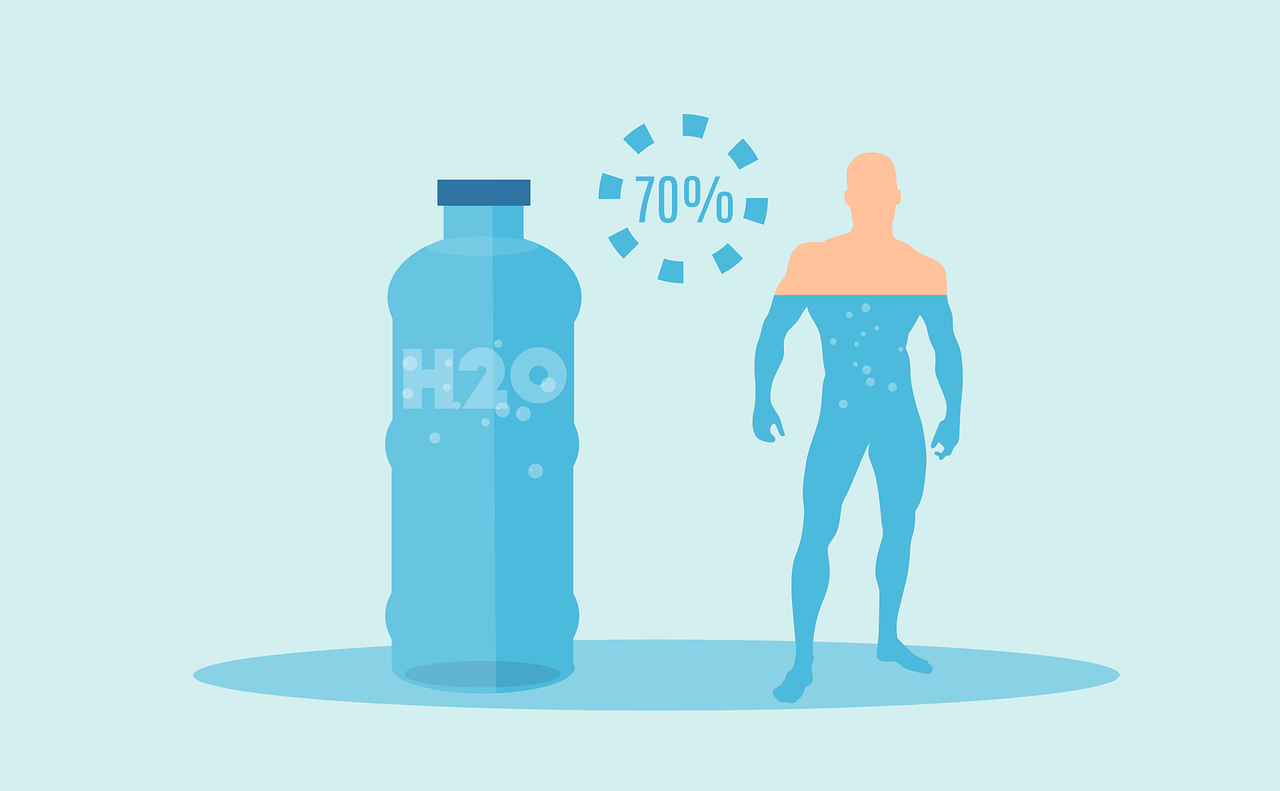
Understanding the body’s composition and the importance of electrolytes is essential for maintaining hydration. The body consists of approximately 60% water, crucial for various physiological functions. Electrolytes, such as sodium, potassium, and chloride, play vital roles in maintaining this balance. When too much water is consumed, these electrolytes can become diluted, leading to an imbalance. Recognizing the signs of improper hydration—like excessive thirst, fatigue, or muscle cramps—can help individuals avoid pitfalls related to over-drinking. It’s also essential to remember that other beverages can contribute to your hydration levels. Drinks with electrolytes or moderate sugar content can effectively rehydrate while keeping those vital compounds balanced. Consuming fruits high in water content can also be beneficial. Including hydrating foods such as watermelon, oranges, or cucumbers with proper water intake can provide a well-rounded approach. However, one must avoid relying solely on drinks. A mixture of food and beverages will ensure that the body receives all required nutrients, making hydration more effective. Understanding how to balance drinks and foods is crucial during hot weather and engaging in physical activities.
Physical activity significantly influences hydration needs, especially in hot weather. When exercising, the body loses water through sweat, which must be replenished to prevent dehydration. However, it’s equally crucial to avoid excessive fluid intake. During physical activity, monitor your fluid loss, and adjust your intake accordingly. A common misconception is that you must drink as much as possible to stay hydrated. Instead, consuming fluids slowly and in moderation allows your body to absorb them effectively. Drinking too quickly can overwhelm the kidneys and lead to further complications such as water intoxication. Additionally, it’s wise to incorporate beverages that contain electrolytes during extended workouts or competitions. Replenishing electrolytes lost through sweat is crucial for maintaining energy levels and overall performance. Finding the right balance between water and electrolyte-rich beverages can optimize hydration and enhance your workout experiences in hot weather. Paying attention to your body’s signals during exercise can help you recognize when it’s necessary to drink water or electrolyte beverages. This understanding will significantly improve your hydration strategy, reducing the risk of adverse effects from drinking too much water.
Timing Your Water Intake
Knowing when to drink water is just as essential as knowing how much to drink. Taking sips regularly throughout the day can prevent dehydration, especially in hot weather, where body fluid losses can increase dramatically. Instead of awaiting extreme thirst, establish a drinking schedule. This regular fluid intake method significantly reduces the risk of experiencing both heat-related illnesses and hyponatremia. Keep a water bottle with you during hot days, but pay attention to when you hydrate. Staying equipped with a lightweight bottle makes this easier. This approach encourages habitual hydration without overwhelming your system. After workouts or strenuous activities, your body will particularly benefit from replenishing lost fluids. However, avoid gulping down large quantities immediately after exertion. Instead, allow your system to process smaller amounts over a period. Hydration after exercise should focus on recovery—combine water with some light snacks to restore energy. Incorporating hydration into your daily routine, taking sips rather than full glasses all at once, creates a healthier relationship with water intake that matches your body’s actual needs.
Hot weather presents various challenges, and it’s crucial to listen to your body while working to stay hydrated. Sweating is a natural body response to regulate temperature, but it can lead to significant fluid loss. Therefore, individuals must pay attention to their thirst cues during this time. Instead of following rigid hydration schedules, it’s beneficial to allow your body’s signals to dictate your water intake. This intuitive form of listening to your body can help reduce the risk factors associated with over-hydration. Many fail to consider that each person’s water requirement is unique, influenced by factors like age, sex, and activity level. While general recommendations exist, tailoring your intake to your personal needs is vital. Carrying a reusable water bottle can promote frequent sipping without overwhelming fluid intake. Moreover, introducing purposeful breaks for hydration during outdoor activities encourages better practices. Consider combining water with non-caffeinated, vitamin-rich beverages for balanced hydration. Healthful alternatives like coconut water or homemade lemonade not only taste better but can also support electrolyte replenishment without excessive water intake.
Awareness of heat illness is essential in guiding proper hydration. Hot weather increases the risk of heat exhaustion and heat stroke, conditions that can worsen with inadequate hydration or over-hydration. Signs of heat exhaustion include heavy sweating, weakness, and confusion, whereas heat stroke can manifest as a high body temperature and loss of consciousness. Understanding these symptoms empowers individuals to act quickly, ensuring that hydration practices align with health needs. Always keep in mind that hydration isn’t just about drinking water; electrolyte levels need to be maintained. Consider keeping electrolyte tablets or sports drinks in your kit while outdoors. When engaging in outdoor activities, plan for fluid breaks for proper hydration and ensure your group takes these breaks seriously. Monitoring each other’s physical well-being can mitigate risks associated with heat exposure. It is crucial to be aware of the surrounding environment and implement a hydration strategy to match the weather conditions, personal health, and exercise levels. Good hydration practices obtained through knowledge can take you far in preventing heat-related health issues in extreme temperatures.
Conclusion
In conclusion, while staying hydrated in hot weather is critical, one must be cautious about drinking too much water. Balancing water intake with electrolyte replenishment can keep you healthy and safe during the sweltering months. Understanding individual needs and listening to your body’s signals are vital in managing hydration levels effectively. Engaging in regular monitoring of both physical and hydration needs provides clarity to one’s health regimen. When planning outdoor activities, consider scheduled breaks and hydration practices to promote well-being. Remember that fluid management should be a thoughtful process, combining the right amount of intake with electrolyte awareness to enhance overall hydration strategies safely. Avoid confusion between thirst and actually overriding your body’s natural responses to extreme heat conditions. Employing the right blend of beverages—water or electrolyte drinks—together with appropriate snacks can improve your hydration strategy significantly. Always keep in mind the risks associated with overhydration and strive for balance in everything you do. Awareness, moderation and smart choices regarding hydration can ensure that your summer remains enjoyable and safe.
To explore more about hydration, tips, and summer health, visit this link for detailed insights.