
Top Wearable Devices for Monitoring Fitness in Aging Populations
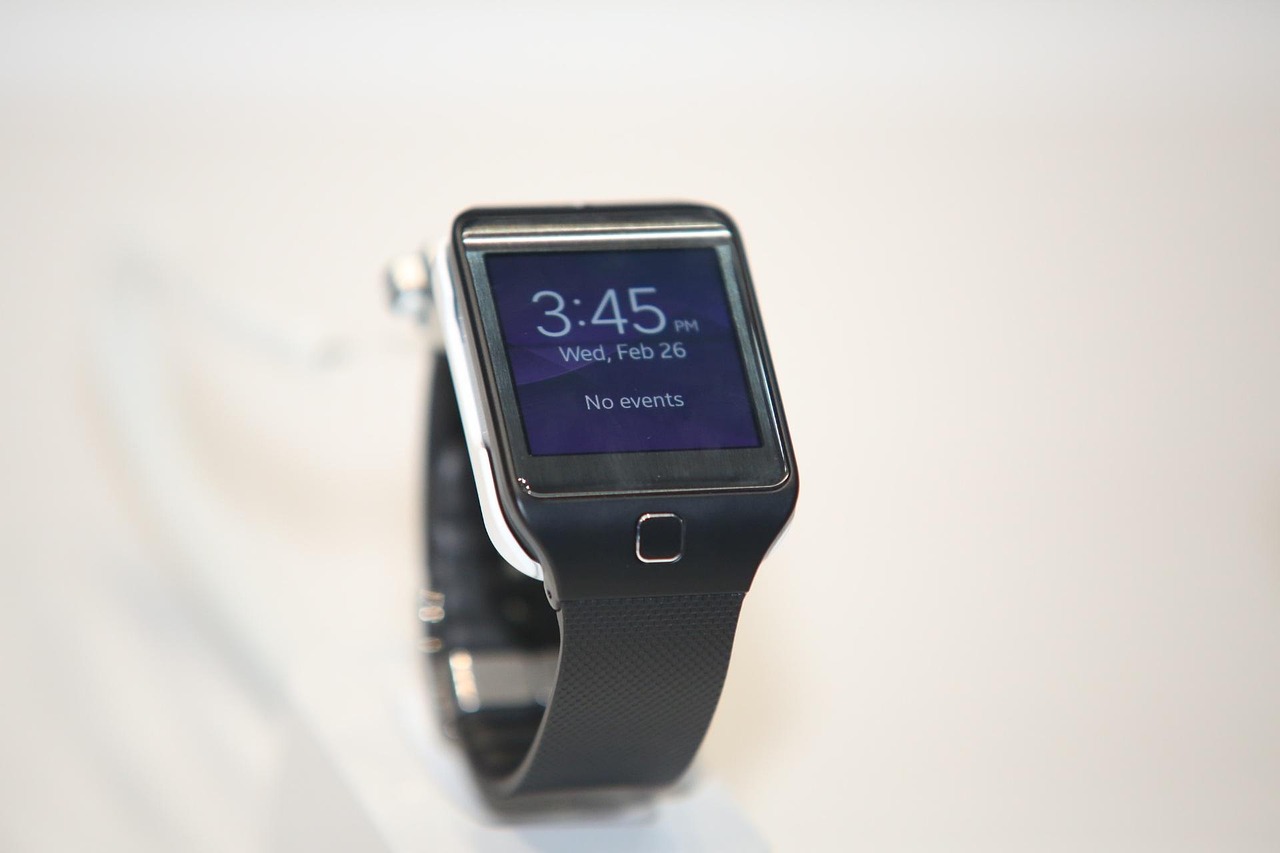
Wearable devices have become increasingly popular for monitoring fitness, especially among aging populations. These devices provide essential metrics that help individuals track their health and fitness levels conveniently. From heart rate monitoring to step tracking, wearables can give users a comprehensive view of their physical activity. One of the benefits of wearable devices is their ability to encourage accountability. By setting fitness goals and tracking progress over time, users are more likely to stay motivated. Additionally, many devices connect with mobile applications to give users even more insights into their daily routines. Features like sleep tracking, calorie counting, and reminders for movement are particularly helpful for older adults. The technology also caters to those with mobility challenges, facilitating personalized fitness assessments. Wearables allow for individualization of fitness plans based on real-time data, ensuring older adults receive tailored exercise routines that are safe yet effective. As a result, these tools help alleviate some of the barriers aging individuals face when pursuing a healthier lifestyle. With user-friendly designs, wearable devices can play a transformative role in promoting fitness and well-being in aging adults.
The first notable wearable device for fitness monitoring is the Fitbit, an established leader in the wearables market. Fitbits allow users to easily monitor their heart rate, steps, and even sleep patterns. They come with various models uniquely suited for different fitness levels, making it suitable for everyone, from beginners to seasoned athletes. Once synced with a smartphone app, it provides a detailed report of daily activity. Another excellent choice is the Apple Watch, which integrates seamlessly with an array of applications. It offers advanced health metrics such as ECG readings and fall detection, giving peace of mind to older users. The Garmin Vivosmart is another alternative emphasizing activity tracking and swimming capabilities. Its ergonomic design is user-friendly, ensuring older adults can easily navigate its features. Smartwatches like Amazfit also provide impressive fitness tracking insights while remaining affordable. With notifications for calls, messages, and even movement reminders, wearables help maintain connection within aging populations. Overall, the right wearable can assist in achieving both fitness goals and staying socially connected. Fitness assessment tools must be engaging and supportive for older adults to foster consistent usage and a healthier lifestyle.
Benefits of Using Wearable Devices
Wearable devices bring a multitude of benefits tailored specifically for aging adults seeking to monitor and improve their fitness levels. One of the primary advantages includes real-time health data access, allowing users to easily track important metrics such as heart rate, sleep quality, and daily activity levels. This immediate feedback can empower older adults to make informed decisions about their physical activity and health. Furthermore, many devices incorporate features designed to foster motivation, such as goal-setting and achievement badges. By gamifying fitness, these wearables can inspire consistent engagement among users. Additionally, several wearables provide functionality for emergency alerts; this can be a lifesaver for seniors at risk of falls or medical emergencies. Notifications to family members or healthcare providers can enhance personal safety significantly. Moreover, the accumulated health data over time allows users to gain insights into their fitness progress and gaps, facilitating tailored workouts and routines. This data can also be invaluable during medical consultations, providing healthcare professionals with a clearer understanding of a patient’s fitness. In conclusion, adopting wearable devices can lead to a more active and healthier lifestyle among aging populations by encouraging positive behavioral changes and fostering awareness.
Adoption of wearable devices among older adults can be aided by simplifying technology. Many seniors may find modern technology intimidating; hence, device manufacturers are focusing on user-friendly interfaces with larger displays and simplified navigation systems. A hands-on tutorial or guidance on using the wearable can also significantly enhance user experience. Moreover, community initiatives promoting fitness and aging often incorporate technology training sessions. Such initiatives can showcase how easy it is to use wearable devices, ensuring seniors feel comfortable with their functionalities. Emphasizing the importance of social interactions while using these devices leads to an increased sense of belonging. Collaborating with healthcare providers in assessing the benefits of wearable devices can also motivate seniors to embrace the technology. Integrating wearables into physical therapy or rehabilitation programs allows them to see its advantages firsthand. Family members can assist seniors by encouraging them to engage daily and review their progress together. This sense of camaraderie can make a significant difference in adopting a fitness-focused lifestyle. By fostering competence through mock training sessions, older adults can embrace these devices and reap the rewards of improved fitness monitoring.
Challenges and Considerations
Though wearable devices hold great promise for enhancing fitness in aging populations, there are challenges that may hinder broader adoption. One primary concern is the cost associated with these devices. Depending on features and technology, wearables can range from budget-friendly options to more premium models. Many older adults are on limited fixed incomes, making more expensive wearables less accessible. Additionally, some seniors may struggle with technical issues, leading to frustration when using the devices. Support systems should be established to assist users in navigating potential problems. It’s vital for manufacturers to provide tutorials and ongoing customer service. Furthermore, concerns about data privacy have also been raised, particularly among older adults who may be wary of sharing personal health information. Wearable developers must prioritize data security to ensure user trust in technology. Lastly, adjusting to a consistent exercise routine based on wearable feedback can take time. Some seniors may require motivation and encouragement to integrate wearables into their daily lives genuinely. Continued education on the health benefits they provide will help mitigate these challenges and encourage widespread use among aging adults.
To leverage wearable devices effectively, it is crucial that users establish personal fitness goals tailored to their unique needs and abilities. Setting attainable objectives can help older adults gradually increase their activity levels, mitigating the risk of injury. Monitoring progress within a supportive environment encourages accountability and ongoing commitment. As users become more familiar with their devices, they may wish to include friends or family members in activities, promoting a sense of camaraderie. Community fitness groups focusing on technology can create an inclusive atmosphere where seniors can engage in physical activity together. Additionally, partnering with healthcare professionals can yield personalized fitness plans based on wearables’ data, providing a practical and safe path to achieving health goals. Integrating device use into daily routines can particularly benefit aging adults; reminders for movement and stretching can keep them active throughout the day. Encouraging outdoor activities with community members can further augment motivation levels. To maximize the benefits of wearable devices, individuals should consider incorporating regular check-ins on their health metrics, encouraging consistency in their fitness journeys. This approach empowers older adults by allowing them to take command of their fitness journey through valuable insights from wearable technology.
Future of Wearable Technology for Aging Adults
The future of wearable technology aimed at aging adults holds exciting possibilities for promoting health and fitness. Innovations in sensor technology may lead to even more advanced tracking features tailored to specific health needs. For instance, devices could incorporate biotracking features to monitor blood sugar or hydration levels, greatly benefitting users managing chronic conditions. Moreover, as artificial intelligence advances, wearables could offer even more personalized recommendations based on individual health trends and fitness preferences. Developers are also working towards improving battery life and enhancing durability to cater to older populations who may not always remember to charge their devices. Expectations of integration between wearables and smart home networks are rising, as technology continues to blend with everyday living. This integration can lead to a more comprehensive health monitoring system that encompasses not only fitness but overall wellness. Additionally, expanding telehealth integration could further support aging individuals by allowing remote consultations with healthcare providers. As technology evolves, creating a symbiotic relationship between wearables and aging adults will be necessary to ensure adoption. The future promises exciting advancements that will ultimately improve quality of life for seniors through fitness monitoring and engagement in healthy lifestyles.
In summary, wearable devices for fitness monitoring present invaluable opportunities for aging adults seeking to enhance their health and well-being. While challenges exist, such as cost and technology adaptation, the benefits outweigh the obstacles. Ultimately, successful adoption of wearables among seniors hinges on making technology accessible and user-friendly. By utilizing community resources, family assistance, and effective communication from developers, seniors can overcome barriers to engaging with wearable devices. Encouraging fitness through personalized plans based on real-time data allows older adults to take control of their health journeys. The combination of motivation, support, and technologically advanced solutions fosters a culture of health and awareness among aging populations. As innovations continue to develop, the next generation of wearables will provide even deeper insights into physical health and fitness. As society continues to focus on improving the health of seniors, wearable devices will play a pivotal role in shaping the future of fitness for aging individuals. Adopting these devices can lead to healthier lifestyles, improved safety, and increased social interaction, reinforcing the positive impacts of fitness monitoring across generations.