
Tips for Gym Owners to Reduce Equipment Hoarding Issues
Gym etiquette plays an essential role in creating a comfortable and efficient workout environment. One common issue gym owners face is equipment hoarding, where members monopolize equipment for extended periods. This practice is detrimental, as it limits access for others and can lead to frustration. To mitigate this issue, it’s critical for gym owners to institute clear policies regarding equipment usage. Implementing time limits for equipment use during peak hours can be effective. Additionally, providing reminders through signage can help educate members on these rules. Another approach is engaging with members individually, to raise awareness about the impact of hoarding on the community. Creating a culture of sharing can significantly enhance the gym experience while reducing conflict. It’s beneficial to develop a protocol that includes a three-strike warning system for those who consistently violate these policies. Highlighting the benefits of following gym etiquette promotes accountability. When individuals understand their role in fostering a collaborative atmosphere, it leads to a more enjoyable fitness experience for everyone.
Encouraging Social Interaction
Encouraging social interaction among members can also help alleviate equipment hoarding. Organize group classes or partner workouts that require the use of various equipment. When members engage socially, they become more mindful of others waiting to use equipment. Additionally, scheduling family workout days or community fitness events fosters camaraderie and reduces selfish behavior. By creating a friendly atmosphere, workout sessions transform from solitary to social endeavors, encouraging members to share resources. Implementing a buddy system can stimulate cooperation and collaboration during workouts. Gym owners should regularly promote and highlight these events through newsletters or social media platforms to maintain high engagement. Also, consider establishing a rewards system tied to responsible equipment use. Offering incentives such as discounts or merchandise for members who consistently demonstrate considerate behavior can enhance overall participation. Furthermore, showcasing success stories can inspire others to follow suit, positively influencing gym culture. The aim is to encourage a sense of collective responsibility for the community, emphasizing that everyone plays a crucial part in maintaining mutual respect and understanding within the gym environment.
In addition to fostering social interaction, gym owners should establish visible communication channels to address equipment hoarding. Members may feel hesitant to express concerns regarding monopolization; therefore, providing an anonymous feedback option can ease this reluctance. Creating a dedicated suggestion box, available on both physical and digital platforms, enables members to voice their opinions without fear of conflict. Regularly reviewing feedback allows management to identify patterns and take necessary adjustments effectively. Through transparency, stakeholders feel involved in developing solutions tailored to their needs. Offering regular workshops focusing on gym etiquette can additionally enhance understanding of communal responsibility. Educating members about shared equipment usage promotes awareness of the importance of compassion toward fellow gym-goers. Instructors and personal trainers should also be trained on discussing etiquette as part of personal training sessions. Ensuring concerns are addressed promptly fosters a proactive rather than reactive management style. Remember that communication is two-fold; encouraging members to discuss and share their concerns promotes unity. Ultimately, fostering an inclusive atmosphere leads to better cooperation, enhancing the overall workout experience for all individuals involved.
Implementing Staff Monitoring
The role of staff in curbing equipment hoarding cannot be overstated. Employing attentive staff members who monitor gym activities ensures adherence to equipment usage policies. These staff members can engage with members who are hoarding equipment, gently reminding them of the time limits that exist. Regular rounds not only keep staff aware of equipment usage but also hold members accountable. Having a presence on the gym floor promotes an atmosphere of cooperation. Additionally, training staff on interpersonal communication skills is critical, enabling them to approach members diplomatically. Consider scheduling routine check-ins with staff to discuss their observations and solicit feedback. Maintaining open lines of communication fosters a sense of teamwork among staff members and promotes consistency in enforcing gym policies. Furthermore, an incentive program for staff, based on member satisfaction, can motivate them to actively participate in reducing equipment hoarding. When staff demonstrates awareness of equipment usage, it influences members to adopt similar behaviors, cultivating a responsive gym culture. Investing in the right personnel transforms them from gatekeepers into facilitators, ultimately improving the service quality and member retention.
Another effective strategy to combat equipment hoarding is implementing an organized reservation system. Scheduling can ensure that everyone has access to the desired equipment during busy times. Introduce a sign-up sheet or an online booking platform that allows members to reserve equipment for a predetermined duration. This method not only efficiently manages equipment availability but also instills a sense of responsibility. When members realize they need to respect each other’s time, tendencies to hoard will likely diminish. To make the system more efficient, engaging with technology can offer a contemporary solution. Mobile applications can provide real-time updates on equipment availability and booking, enhancing the overall experience. Allotting specific time slots for high-demand equipment can also ensure fair usage. Promote the signing of equipment rules upon registration to instill community awareness. Moreover, hosting introductory sessions on how to use this reservation system improves user experience. As everyone learns to navigate the arrangement, it lessens misunderstandings and dissatisfaction, while establishing a more harmonious environment for workouts. Cooperation between members is vital for maintaining an engaging community in the gym.
Creating Dedicated Spaces
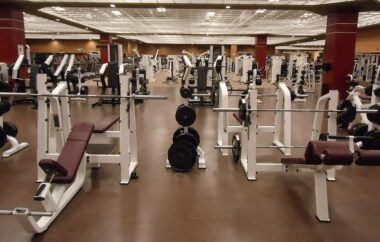
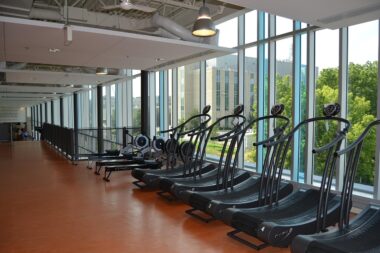
Creating dedicated workout spaces can also be an effective solution to minimize equipment hoarding. By designating specific areas for particular exercises or equipment, gym owners can streamline the workout process, making it manageable for members. Clearly marking designated zones helps avoid confusion while enhancing member accountability. Ensure that these spaces are equipped with overflow equipment, making it easier for multiple users to have access simultaneously. For instance, establishing a free weights area, a resistance machine section, or a cardio zone equips members to rotate smoothly between exercises. Additionally, creating a schedule for popular equipment can lead to greater accessibility. Alongside physical spaces, it is essential to create a welcoming atmosphere to accommodate both novice and experienced users. Consider hosting initial orientation sessions, focusing on the variety of equipment available, allowing first-time members to familiarize themselves with various options. To keep members engaged, display informational signage within these areas. This not only promotes safety but also encourages the usage of tools they may believe are foreign, thus cultivating an inclusive culture. Conversely, zoning elevates enjoyment while reducing territorial behavior that can lead to hoarding.
Regularly evaluating equipment inventory also serves as a preventative measure against hoarding. Gym owners should conduct frequent audits to assess the usage frequency and condition of equipment. Analyzing trends can identify equipment that members are particularly drawn to, along with those that are rarely utilized. After gathering sufficient data, consider opportunities to optimize the layout or enhance the equipment offerings. Moving out less-favored equipment or investing in upgrades can encourage dynamic workouts, reducing the inclination for hoarding behavior. Promote awareness about the value of trying diverse equipment through promotional events or seasonal challenges. Engage members by inviting them to experiment with alternative fitness tools, increasing overall utilization. Reinforcing the benefits of switching up routines prevents reliance on a single piece of equipment. Furthermore, consider collaboration with fitness partners or local vendors for equipment showcases or new product trials, leading to enriching experiences for members. Over time, this adaptability fosters stronger camaraderie, encouraging members to appreciate one another’s workout journeys. Consequently, members will become more understanding of sharing space, which leads to establishing a supportive community that values respect and consideration.