
Preventing Injuries During Latin Dance Fitness Training
Latin dance fitness is not only a fun way to get your body moving but also an excellent form of exercise. However, as with any physical activity, there are risks involved, especially related to injuries. To minimize the chance of injury while engaging in Latin dance fitness, it is vital to focus on proper technique and body mechanics. Warming up before a class is crucial; this elevates your heart rate and prepares your muscles for movement. Key warm-up activities should involve dynamic stretching and light aerobics to enhance blood flow and flexibility. Pay close attention to your footing and balance, as many Latin dance movements involve quick footwork and elegant transitions. This can pose risks if you’re not stable on your feet. Investing in proper footwear designed for dance can aid in providing necessary support. Always listen to your body; any pain should not be ignored. If you feel discomfort, considering modifications or stepping back can be beneficial. Lastly, maintaining strength and flexibility off the dance floor helps ensure you’re resilient during classes and reduces injury risk in the long run. Meta-awareness about your limits fosters a safer fitness experience.
A crucial aspect of protecting yourself against injuries involves knowing how to listen to your body. Signs of fatigue or discomfort should never be overlooked during practice. If you’re consistently pushing past your limits, muscle strain or even joint injuries can arise. Integrating rest days into your routine is crucial. These days allow your body to recuperate, especially after intense dancing sessions. Additionally, making sure to stay well-hydrated is vital; dehydration can weaken muscles and reduce performance. Nutrition also plays an important role; a balanced diet provides the necessary fuel needed for active endeavors like Latin dance. Consuming proteins, carbohydrates, and healthy fats prepares your body for training. Moreover, incorporating strength training can enhance your fitness level. Targeting core stability, limb strength, and overall body balance contributes to dance performance and injury prevention effectively. Another proactive strategy includes cross-training; participating in other fitness styles outside of Latin dance improves your overall fitness level and can target different muscle groups, reducing the chances of overuse injuries. Remember that seeking advice or training from a qualified dance instructor can also ensure you’re performing steps safely and correctly.
Understanding Common Injuries in Latin Dance
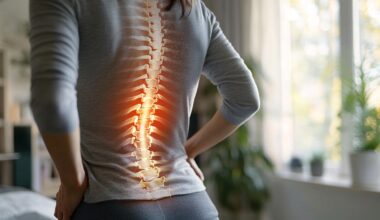
Common injuries in Latin dance fitness often stem from repetitive movements and improper techniques, so awareness of them is essential. Ankle sprains and strains can occur due to unexpected twists or missteps during dance routines. Keeping your ankles strong and flexible through targeted exercises can mitigate such risks significantly. Knee injuries are also prevalent, particularly among beginners who may not yet have mastered proper posture. Ensuring you maintain a strong command of your body mechanics can prevent accidental strains. An effective way to promote good technique is through mirror practice, allowing you to visualize each movement accurately. Additionally, those who dance often experience tight muscles, particularly in the hips, hamstrings, and lower back. Incorporating regular stretching routines can alleviate tightness and encourage muscle elasticity. Balancing strength work with flexibility increases overall mobility during dance routines. Furthermore, soreness or pain, especially in joints, should prompt you to consider taking a break or addressing your technique. Early intervention can prevent minor issues from developing into serious injuries. Developing self-awareness around these common injuries is key for dancers at all levels.
Another critical element in preventing injuries involves the basic understanding of personal limits, especially during Latin dance fitness classes. Many dancers experience anxiety about keeping up, leading to overexertion. It’s essential to recognize when to modify certain movements or steps to accommodate your current level. Using less intense versions of dance routines can allow you to gradually build up your strength and endurance without placing undue stress on your body. Work on mastering simpler movements before progressing to more complex ones. Stretching post-class helps lengthen tight muscles and promotes blood circulation, which aids recovery. Always take a few moments to perform cool-down stretches before leaving class. Being consistent in recovery practices leads to better long-term outcomes. Traumatic injuries may require professional medical evaluation; thus, if something feels off, don’t hesitate to seek help. Rehabilitation exercises may also be recommended to target specific issues. Additionally, observe proper alignment during sessions to prevent strain, particularly in the spine, hips, and knees. Practicing awareness of your form can reduce the chances of injuries while allowing you to enjoy your dancing journey longer.
The Importance of Professional Guidance
Selecting the right dance instructor can considerably impact your safety and performance while engaging in Latin dance fitness. Qualified instructors understand the body’s mechanics and can provide crucial insights into injury prevention. They emphasize safety before style and make sure you’re executing steps correctly. Another benefit of professional guidance is personalized feedback tailored to your unique body structure and fitness level. Having someone with experience conducting classes means that you can learn appropriate modifications, ensuring that no one gets injured trying to perform overly complicated routines. Assessing the studio environment also plays a role in safety; a space that is climatically controlled and has appropriate flooring can prevent slipping and falls. Moreover, some instructors may implement injury prevention techniques into their classes. This can include warm-ups, cooldowns, and strength training tailored specifically for dancers. Engaging in regular assessments of your progress with an instructor can also help identify areas for improvement and avoid potential injuries. Always feel comfortable discussing any health concerns or limitations with your instructor to cultivate a supportive training environment.
Another safety consideration involves understanding the significance of social dancing in the Latin dance community. During social dancing, improvisation plays a large role which can heighten the risk of injury. Practice basic moves extensively to build muscle memory before attempting complex ones in social settings. This preparation helps you react effectively during spontaneous dance moments. When dancing with a partner, clear communication about skills and comfort levels is vital. If you’re unsure about a movement or feel unsafe, do not be afraid to express this to your partner. Furthermore, be aware of surrounding dancers; the risk of collision increases in crowded settings, leading to undesirable injuries. Dance spaces that are overcrowded also contribute to heightened stress and anxiety, which may lead to missteps. Selecting appropriate events where the atmosphere allows for safe movement enhances the overall experience. Additionally, wearing appropriate attire is crucial as it allows for freedom of movement and helps to prevent falls. To reduce injuries, choosing clothing that allows unrestricted movement while maintaining comfort should be a priority. Prioritizing these elements adds joy to dance, decreasing tension during practices.
Conclusion: Keeping Safe while Dancing
In summary, the joy of Latin dance fitness is unmatched, but so is the importance of prioritizing safety to ensure a long-lasting experience. Enhancing body awareness and training will empower you to not only enjoy this wonderful art form but do so without injuries. Engaging with qualified instructors ensures you’re grounded in solid technique and safety practices. Regular consultations about your progress with these professionals help monitor areas that may need improvement. Encouraging a balanced approach that incorporates recovery, nutrition, strength training, and warm-up practices contributes greatly to preventing injuries. This not only advances your performance quality but fosters an environment where dancing becomes a source of empowerment and wellness. Listen closely to your body’s signals; pay attention to fatigue, soreness, and discomfort is vital. Adjust your training practices based on personal capabilities as you work more on your dance skills. Feeling confident and safe while dancing allows you to express yourself freely while significantly reducing injury risks. So lace up those dancing shoes, remember these tips, and let the rhythm guide you safely on the dance floor.