
Mindfulness Challenges and How to Overcome Them on the Road
Traveling can provide a backdrop for exciting adventures, yet it often brings forth unique challenges to maintaining mindfulness and meditation practices. Factors such as changes in routine, unfamiliar environments, and unexpected stressors may hinder the ability to stay centered. For many, the first challenge encountered is the change in routine, which can make it difficult to find moments for mindful practice. Routines create structure; however, travel often disrupts these structures. To combat this, travelers can schedule specific times for mindfulness practices, such as morning meditations or evening reflections, effectively carving out moments of stillness amid the chaos of a new place. Additionally, using apps or guided meditations while on the go can help maintain focus. Prioritizing these practices creates space for self-care, becoming essential in fostering a mindful travel experience. As one embraces the journey, acknowledging fluctuations in practice becomes vital — perfection isn’t the goal. Therefore, flexibility, technology, and commitment to practice can sustain mindfulness even while traversing unfamiliar landscapes. Finding a balance between exploration and self-care allows travelers to enjoy experiences while enriching their minds through meditation.
Creating a Mindful Travel Environment
Another challenge faced is cultivating a mindful environment in potentially chaotic settings, like airports or bustling cities. To enhance focus and tranquility, travelers can utilize techniques such as sensory grounding, connecting with the immediate surroundings through sight, sound, and touch. For instance, listening to soothing music on a flight can create a serene space, while engaging in simple breathing exercises can ease anxiety. Finding tranquility within oneself despite external factors is essential. One effective strategy includes packing mindfulness tools in luggage, such as journals, stress relief balls, or essential oils, providing travelers with tangible supports. Journaling during travel can also help maintain mindfulness; jotting down experiences fosters reflection and deeper connections with the present moment. Another suggestion is creating a mobile mindfulness kit, which can make engaging in meditation practices more accessible wherever one finds themselves. Utilizing this kit helps reinforce a commitment to maintaining mindfulness, turning potentially stressful travel moments into opportunities for growth and self-discovery. By proactively creating this environment, travelers embrace their journeys with an open heart and a clear, focused mind, thereby enriching their experiences.
Distractions during travel can significantly hinder mindfulness efforts, particularly in environments filled with noise and activity. Devices and social media can also pull one’s attention from the present moment, often leading to mental overload. To mitigate distractions, travelers can implement strategies, such as designated tech-free periods or areas focused solely on relaxation. For instance, setting aside each morning for meditation, untouched by electronics, allows for fostering genuine presence. Similarly, traditional wandering without smartphones can create authentic and impactful experiences; immersing oneself in settings and observing people can enhance mindfulness. Consider using a simple visual cue to signify the beginning of mindfulness practice, such as a specific stone or bracelet. When someone holds or sees this visual cue, they are reminded to center themselves, regardless of environmental distractions. Even with obstacles presented by travel, embracing mindfulness does not have to be challenging. By taking proactive measures against distractions, travelers can cultivate a rich inner and outer experience that reaffirms their dedication to mindfulness on the go, transforming the journey into self-discovery and deep reflection.
Time Management for Mindfulness
Time management can be especially tricky while traveling, as itineraries often fill the day with activities, leaving little room for mindfulness practices. High-paced schedules can lead to stress if one feels overwhelmed by constantly moving from one place to another. Balancing mindfulness practices with sightseeing demands intentional planning, prioritizing the journey over destinations. To achieve this, consider setting aside specific times for short mindfulness breaks throughout the day; even five or ten minutes can recharge an individual. Tapping into simple mindfulness exercises, such as deep breathing or engaging in nature walks, can be transformative. By scheduling these breaks, individuals can maintain focus on their wellness as they explore new places. Creating a visual reminder, such as setting alarms on a smartphone for these mindfulness moments, aids consistency. This approach not only enriches individual experiences, but also manages stress levels effectively while traveling. When mindfulness becomes an integrated part of the travel routine, various stressors can be navigated with grace. Ultimately, creating this balance yields a fulfilling experience filled with enrichment, making journeys meaningful and mindful.
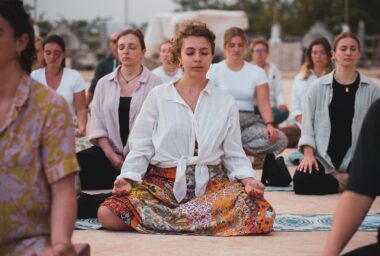
Connecting with fellow travelers can also present both opportunities and challenges when it comes to maintaining mindfulness. Group activities can sometimes lead to a shared sense of community, bringing individuals together in beautiful and uplifting ways. However, when social dynamics pull focus away from personal practices, it becomes essential to communicate and establish boundaries concerning mindfulness needs. For those in group settings, suggesting collective activities, such as yoga sessions or meditation circles, can facilitate a shared mindful experience. This not only enhances personal practice but supports group cohesion and intention. Equally, embracing alone time, when needed, is vital to self-care; asserting these needs fosters a healthy balance between connection and solitude. Don’t hesitate to request quiet moments or personal space when overwhelmed in a crowd, especially during hectic trips. Mindful communication rooted in respect and clarity encourages understanding. By nurturing this robust support network while honoring oneself, travelers can cultivate joy in the shared experience while simultaneously nurturing their internal landscapes. Finding balance with group dynamics nurtures deeper connections and enhances overall travel experiences, enriching mindfulness along the way.
Mindful Eating on the Road
Mindful eating presents unique challenges during travel due to unfamiliar foods, altering routines, and different eating environments. Meals can become hurried in fast-paced travel settings, sometimes leading to an unintentional disconnection from one’s relationship with food. However, making conscious food choices can greatly enrich travel experiences. Prioritize meals that are nourishing and reflect local cultures and flavors; savoring each bite becomes a form of mindfulness practice. Engaging in mindfulness during meals enriches experiences, and increases awareness of taste, texture, and aroma. Consider seeking local vegetarian or healthy dining options, allowing new flavors to unfold uniquely. When dining, minimize distractions by focusing solely on the meal — avoid phone screens and conversations that detract from the nourishment provided. Learning to appreciate food not just as sustenance, but as an experience in itself, cultivates an attitude rooted in gratitude. Mindful eating fosters a deeper connection to the culture being explored and supports overall well-being. By making these conscious choices, travelers elevate their journeys, allowing the act of eating to become a cherished form of mindfulness practice throughout their adventures.
Finally, post-travel reflection serves as a tool to contextualize experiences and lessons learned on the journey. The transition back to everyday life can feel abrupt, often demanding a re-adaptation to familiar routines. To ease this transition while embracing mindfulness, crafting a post-travel routine can effectively bridge experiences. Utilizing journals to reflect on travel memories, insights, and emotions allows individuals to process experiences meaningfully. In addition, consider incorporating meditation sessions into this routine, providing a sense of continued reflection and grounding. By setting aside time for these practices, travelers can carry the spirit of adventure back home, while ensuring insights gained during the journey remain active in daily lives. Sharing experiences with friends or through blogs can also be beneficial for processing these reflections, creating connections and narratives through storytelling. This not only enriches the individual’s understanding but inspires others on their own travels. Harking back to effective mindfulness practices nurtures growth and appreciation for experiences, making mindfulness an integral aspect of life beyond travel. By integrating reflections into every day post-travel, individuals nurture lasting mindfulness on their journey through life.