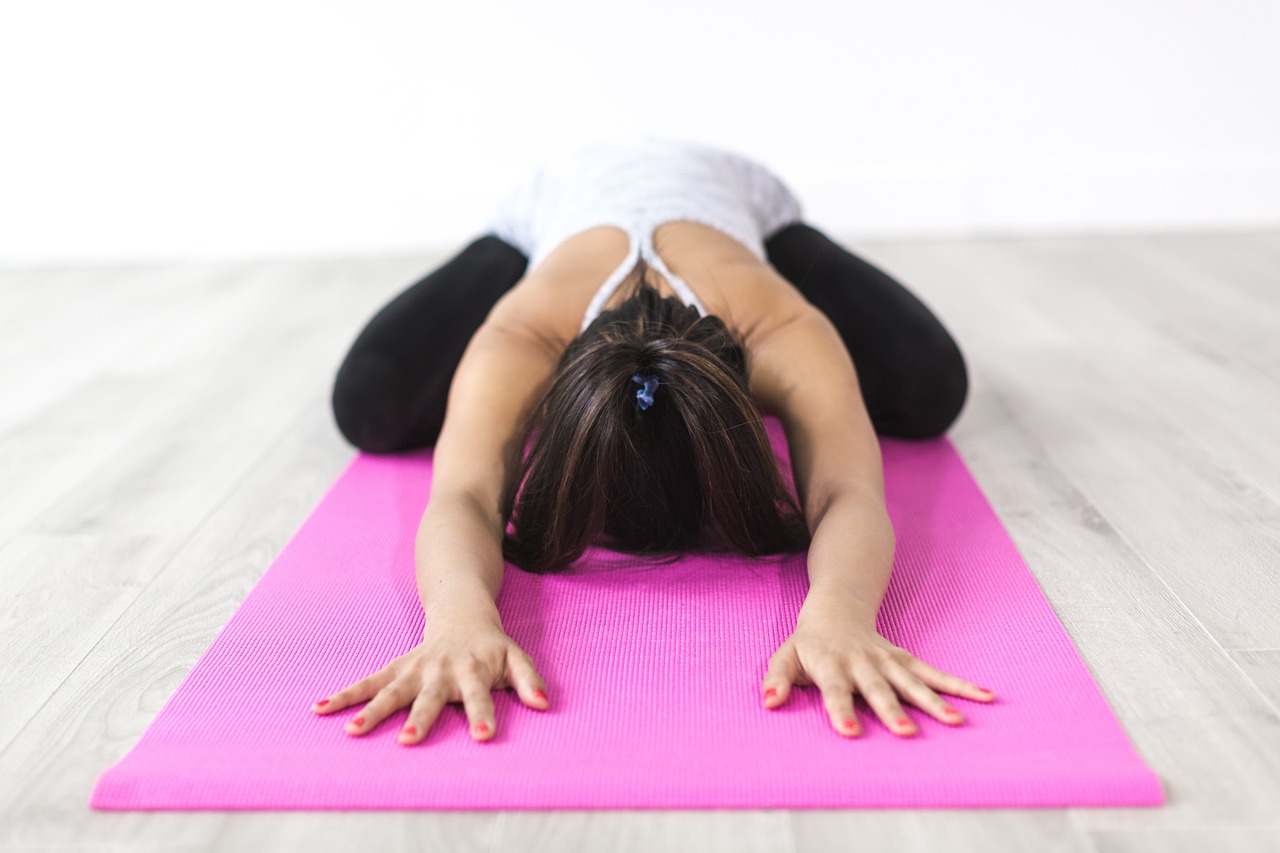

Mindfulness and Its Effects on Motor Skill Learning
Mindfulness is a practice that emphasizes being present and fully engaged in the moment, which can significantly enhance motor skill learning. Integrating mindfulness into fitness routines helps individuals develop superior body awareness, leading to more precise movements. When individuals practice mindfulness, they can improve their focus, which is crucial for refining motor skills. This focus enables practitioners to tune into their bodies, noticing subtle adjustments necessary for optimal performance. One of the primary benefits of mindfulness in fitness is the reduced risk of injury. By being acutely aware of bodily sensations, individuals can identify strain or pain before it escalates. Consistently practicing mindfulness encourages better breathing control, enhancing physical performance and promoting relaxation. Furthermore, mindfulness influences cognitive processes related to motor learning. It allows individuals to receive instant feedback on their progress and shortcomings. By reflecting on their experience during workouts, athletes develop a deeper understanding of their movements, which can expedite the learning process. Research supports that athletes employing mindfulness techniques demonstrate superior motor skills, deriving from improved concentration, enhanced body awareness, and better emotional regulation. Ultimately, mindfulness fosters a holistic approach to fitness, where mind and body work in synergy.
To maximize the benefits of mindfulness in fitness, certain techniques can efficiently facilitate motor skill learning. Simple practices like mindful breathing exercises and body scans are effective starting points. Mindful breathing encourages a state of relaxation, enabling individuals to focus on their physical sensations. Body scans promote awareness by guiding individuals to mentally check in with different muscle groups. By doing so, practitioners can identify areas of tension or discomfort, fostering better and more efficient movements. Implementing mindfulness techniques during workouts can enhance motor coordination. By maintaining a present-focused perspective, athletes can minimize distractions that often hinder performance. As such, this focus enhances neuroplasticity, allowing the brain to forge new neural connections linked to improved motor skills. Furthermore, practicing mindfulness aids in emotional regulation, which is vital for athletic performance. By recognizing and managing emotions, athletes can perform under pressure, translating to enhanced skill execution. Mindfulness facilitates flow states, wherein individuals become so absorbed in their activity that performance improves dramatically. Thus, integrating mindfulness into fitness promotes not only physical but also psychological resilience, equipping individuals with tools for success in motor skill acquisition.
Connection Between Mindfulness and Body Awareness
The relationship between mindfulness and body awareness plays a crucial role in fitness training. When individuals practice mindfulness, they cultivate an intimate connection with their bodies, leading to increased bodily awareness. This connection allows them to discern subtle cues related to muscle tension and movement efficiency. By focusing on sensations within their bodies, they can fine-tune their actions accordingly. Enhanced body awareness fosters better control over movements, directly contributing to improved motor skills. Additionally, this heightened awareness can lead to better postural alignment, reducing strain during physical activities. Studies demonstrate that individuals who engage in mindful practices often exhibit improved balance and stability. Furthermore, body awareness cultivates a non-judgmental attitude towards one’s performance, encouraging a growth mindset essential for learning new skills. With continued practice, individuals become more adaptive to challenges, fostering an environment of continuous improvement. Mindful practitioners may find themselves more capable of learning complex movements, as they can integrate feedback from their corporeal experiences. Consequently, cultivating this dual awareness of mind and body ensures athletes remain engaged during training, which ultimately leads to higher levels of motor skill acquisition and retention.
Moreover, mindfulness encourages a holistic approach towards fitness by blending physical and mental training. In addition to enhancing motor skills, mindfulness instills resilience and mental fortitude. Athletes who embody mindfulness are better equipped to manage stress, anxiety, and performance pressures. By developing coping strategies through mindfulness, individuals can transform challenges into growth opportunities. Mindfulness practice may involve setting intention before a workout to clarify goals and enhance focus. This foresight helps practitioners to channel their energies towards skill enhancement, creating a purposeful training environment. Moreover, the integration of mindfulness into fitness routines prompts a reflection on one’s motivations and desires. This reflective practice cultivates intrinsic motivation—a key factor in sustaining long-term engagement in fitness endeavors. Consequently, mindful fitness practices yield numerous psychological benefits, equipping individuals with the mental tools for overcoming obstacles. Enhanced cognitive function also leads to improved decision-making during training or competitions. Mindfulness can thus be seen as a valuable adjunct to any training program, fostering an integrated perspective on athletic development. As a result, athletes experience not just physical growth but also emotional and psychological development.
Evidence Supporting Mindfulness in Motor Skill Learning
Research into mindfulness and motor skill learning continues to uncover various benefits linked to mindfulness practices. Studies indicate that mindfulness training leads to improved performance across diverse sports and activities. Athletes who practice mindfulness report heightened focus and concentration levels, translating into skill efficiency during competition. An essential component of mindfulness is the non-judgmental observation of oneself, fostering self-awareness and self-acceptance. This aspect of mindfulness minimizes fear of failure, allowing individuals to engage fully with the learning process. Additionally, it creates a proactive approach toward improving motor skills. Some studies show that mindfulness techniques can lower the incidence of burnout among athletes, enhancing overall satisfaction in their sports participation. Research also highlights that practitioners experience reduced anxiety and frustration, enabling them to remain calm during high-pressure situations. By remaining composed, athletes can execute their skills with precision and fluidity. Furthermore, mindfulness has been shown to influence recovery rates, promoting faster healing from injuries. In conclusion, the evidence strongly supports mindfulness as a critical factor in optimizing motor skill learning and enhancing athletic performance.
The incorporation of mindfulness into fitness regimens cultivates a deeper understanding of body movements. This understanding stands as a cornerstone for skill acquisition across various sports. Athletes who engage in mindful practices often report feeling more connected to their physical bodies, improving their sensitivity to movement dynamics. Correct feedback and adjustments become more instinctive, improving overall technique performance. This advanced ability enables practitioners to learn intricate skills more efficiently. Continued practice of mindfulness not only promotes better techniques but also helps in mental rehearsal, enhancing performance in practical scenarios. Visualization techniques reinforced by mindfulness can create mental pathways that reinforce learning. Moreover, practicing mindfulness assists in stress management, allowing athletes to enter competitions with a clear mental state. Research consistently reveals that athletes who engage in mindfulness techniques often outperform their counterparts when managing stressors associated with competition. By cultivating an adaptive mindset, athletes are better equipped to face challenges, remaining focused on their performance goals. Furthermore, mindful practices create a supportive community among athletes, promoting shared experiences and collective growth. Overall, incorporating mindfulness within fitness frameworks serves multiple purposes, fostering skill development and emotional resilience.
Conclusion and Future Directions
In conclusion, the nexus between mindfulness and motor skill learning offers insightful implications for athletes at all levels. Embracing mindfulness elevates the fitness experience by integrating mental and physical development into training practices. As more athletes and coaches begin recognizing these benefits, the future may see an increased emphasis on mindfulness training programs. Educational efforts can enhance awareness of the psychological and physical advantages linked to mindfulness practices. The adaptability of mindfulness techniques makes them applicable in various training environments, from novice athletes to seasoned competitors. Additionally, exploring the use of technology to assist mindfulness practices could revolutionize the way athletes engage with their training. Smart wearables, guided meditation apps, and virtual coaching can foster the growth of mindfulness practices, enabling athletes to continuously learn and develop their skills. As research continues to evolve, the potential for integrating mindfulness into traditional fitness regimens looks promising. Ultimately, a mindful approach to fitness not only enhances motor skills but fosters a holistic, enriched, and sustainable athletic experience.
As mindfulness becomes more widely accepted in the fitness culture, it is essential to promote accessible resources. Athletes, trainers, and coaches should collaborate to develop comprehensive curricula that incorporate mindfulness techniques. Regular workshops, training sessions, and resources focusing on mindfulness could help individuals cultivate a consistent practice. Given the ever-changing dynamics of sports, finding innovative solutions that prioritize mental health alongside physical improvements is paramount. When athletes are encouraged to delve into their mental conditioning, they are likely to excel further in their respective sports. Programs that promote a synergistic blend of mindfulness and fitness can revolutionize athletic training, resulting in superior outcomes across various disciplines. As a result, investing in mindfulness for motor skill development is no longer an option but rather a necessity for cultivating a thriving athletic community.