
Is Agave Nectar a Healthier Sugar Alternative? Truth Revealed
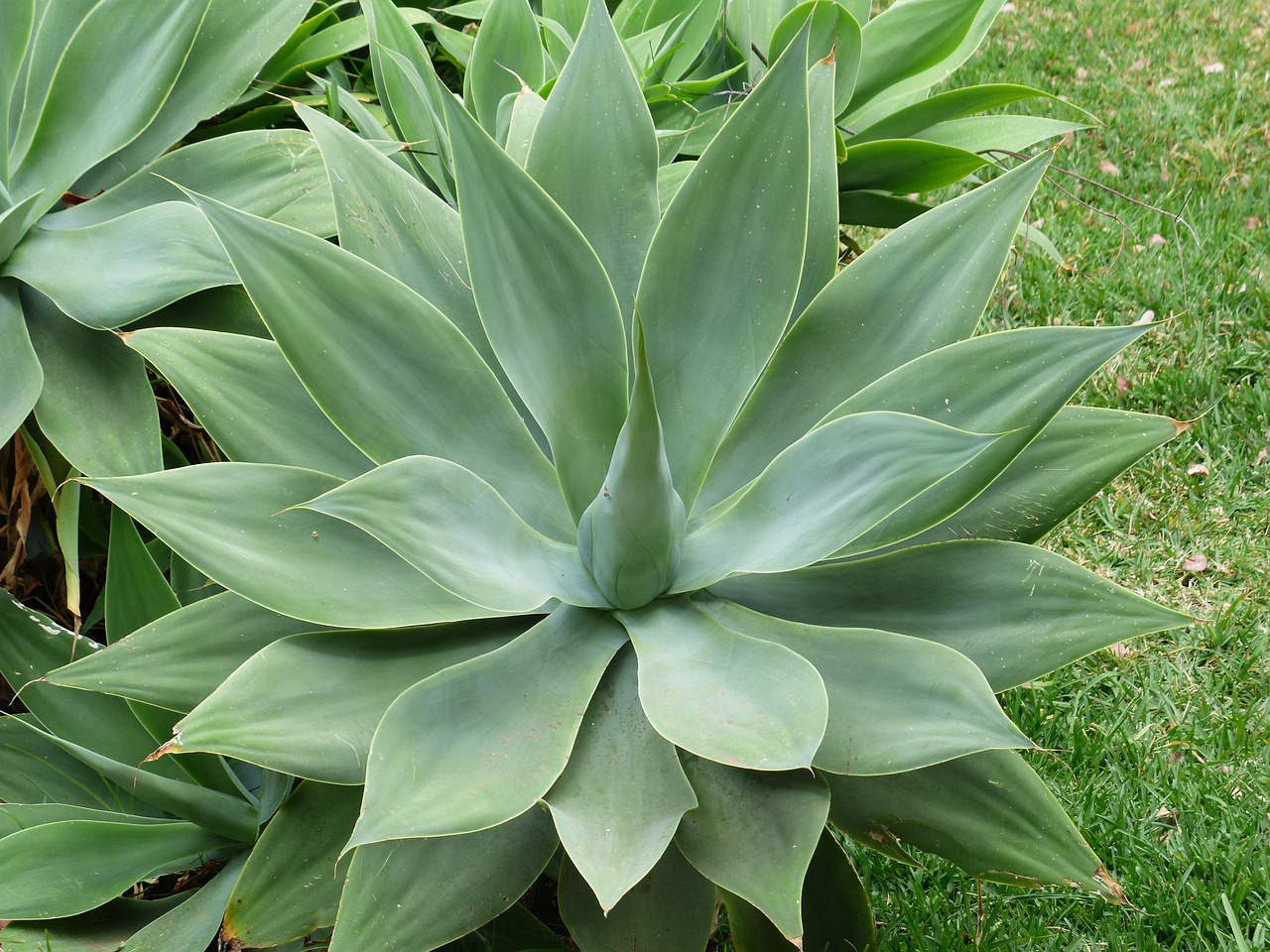
When it comes to healthy eating, sweeteners often spark heated debate, particularly agave nectar. Many tout it as a healthier alternative to sugar, but is that really true? Understanding the nutritional profile of agave is important in making informed choices. Agave nectar is extracted from the agave plant and has gained popularity for its low glycemic index. This means it may have a lesser impact on blood sugar levels compared to regular sugar. However, it’s crucial to look closer at what that means for our health. The process of creating agave syrup involves high temperatures which may reduce its nutritional value. Hence, while it could be a safer option for some individuals including those managing diabetes, it’s still important to consider the overall caloric intake and the effects on gut health. This sweetener is often marketed as ‘natural,’ leading many to assume it’s a guilt-free option for those craving sweetness in their diets. But experts argue that moderation is key, as with any sweetener. Comparing agave to alternatives such as honey and maple syrup can provide further insights into healthier choices.
One of the most significant myths surrounding agave nectar is that it is purely healthy due to its vegan status and natural origins. The truth, however, is more nuanced and requires deeper exploration. Agave nectar is much sweeter than sugar, which means smaller quantities can achieve similar levels of sweetness. In many cases, consumers may believe that using less agave makes it a healthier option, thus compensating for the negative effects of sugar. But this conclusion can be misleading. The fructose content in agave nectar is remarkably high, contributing to health concerns if consumed excessively. Fructose is metabolized differently from glucose, leading to potential negative impacts on liver health, increased fat production, and even insulin resistance. Thus, although agave nectar can satisfy sweet cravings, it’s essential to recognize the differing effects on metabolism over time. Moderating its intake is vital to ensure sweeteners don’t lead to adverse health outcomes. Incorporating a diverse range of low-calorie sweeteners or natural varieties in moderation may offer more balanced alternatives ultimately benefiting overall health and well-being.
Nutritional Comparison Between Sweeteners
When exploring sweeteners, understanding their nutritional differences is crucial for healthier decision-making. Agave nectar has around 60 calories per tablespoon, with the predominant sweetening agent being fructose. On the other hand, regular granulated sugar contains approximately 50 calories per tablespoon, primarily consisting of glucose and fructose. Maple syrup, another popular option, contains a similar caloric content and offers additional minerals like magnesium and zinc. Honey, while calorie-dense, features antimicrobial properties and various antioxidants absent in refined sugar. Due to these nutritional nuances, it is wise to consider how each sweetener affects your health. A closer look reveals agave’s fructose content can range from 55% to even 90%, higher than regular sugar and honey. This high fructose content can lead to increased fat accumulation in the liver and other metabolic issues. Thus, although agave nectar may seem appealing to some individuals, its high-caloric and fructose nature suggests caution in consumption. For those seeking healthier sweetener options, considering overall health impact and choosing wisely can create better outcomes for long-term well-being.
In evaluating agave nectar as a sugar alternative, one must also maneuver through marketing claims many brands put forth. Often labeled as a ‘natural’ or ‘organic’ product, agave nectar sounds appealing; however, these terms can mislead consumers who do not fully understand the production process involved. Unlike raw honey or pure maple syrup, which undergo minimal processing, agave nectar is further transformed to achieve its liquid state. This additional processing strips authe0ntic nutrients, rendering it less beneficial than its counterparts. Furthermore, some agave sweeteners contain additives not listed as primary ingredients. To navigate this maze, consumers should read labels carefully, focusing on ingredient lists to ensure what they are buying is purely agave without unnecessary chemicals. Another important consideration is sourcing. Supporting brands that emphasize fair trade practices and sustainable harvesting can further enhance the positive impact of your agave nectar. Such choices ensure you’re consuming quality products while supporting responsible production methods. By being informed and mindful, you can make your sweetener selections healthier and more suitable for your unique dietary needs.
Health Benefits and Risks of Agave
As with any food, it’s essential to dissect the benefits and risks associated with agave nectar. Proponents of agave claim its low glycemic index provides certain advantages. For individuals with diabetes, it may offer an appealing alternative because it impacts blood sugar levels less dramatically than higher glycemic sweeteners. Additionally, agave is gluten-free and vegan, making it a more accessible option for diverse diets. However, despite these perceived benefits, excessive consumption can lead to health complications. For instance, if a person substitutes all sugar with agave, they could inadvertently increase their overall sugar consumption, subsequently resulting in weight gain and related health issues. Balance is key, as excessive consumption of fructose can also heighten the risk of developing cardiovascular diseases, obesity, and even diabetes over time. Thus, even products marketed as ‘healthy’ should be consumed with a discerning eye. The key takeaway is moderation in any dietary choices contributes to better health outcomes. Finding a balance between enjoying sweetness and making mindful food choices will ultimately promote sustainable wellness.
Another critical aspect of using agave nectar should be its versatility in cooking and baking. While agave syrup can replace sugar in many recipes, it’s essential to note how it alters baking results. Typically, the liquid sweetness can create a moister end product when used in baking, but it might require adjustments in other liquid ratios to achieve the desired texture. For instance, a common recommendation is to reduce the overall liquid content in the recipe when substituting agave for sugar. Additionally, since agave is sweeter than sugar, you might consider using less. Using agave in beverages also offers a stylish way to sweeten your favorite drinks, from iced teas to homemade smoothies. However, it does introduce a unique flavor profile, which may not suit every palate. Those exploring agave nectar as a sweetener alternative should experiment within small quantities to see how it fits in various dishes. Overall, while agave adds flavor and sweetness, remembering its caloric content while crafting food choices remains essential for maintaining a balanced diet.
Final Thoughts on Agave Nectar
Concluding the discussion around agave nectar as a sugar alternative involves recognizing that opinions differ. While it may offer certain benefits over regular sugar, its downsides should not be ignored. Health experts generally advise that any form of sugar should be minimal in the diet, regardless of its source. When considering alternatives, understanding that moderation is essential and that all sweeteners can yield negative health impacts over time is crucial. Evaluating your dietary preferences allows for smarter decisions that align with personal health goals. If agave seems attractive, employing moderated amounts may provide a sweet solution while remaining cautious of its high fructose levels. Ultimately, the healthiest choice involves a balanced approach filled with whole foods, hearty vegetables, and wholesome cooking options. Sweeteners like agave can fit within a balanced diet when selected mindfully. Always aim for a lifestyle rich in nutrition, focusing on quality ingredients, fostering healthy eating habits that stand the test of time. In conclusion, every choice matters, so it’s vital to be aware of what our dietary decisions entail.
The exploration of sugar alternatives such as agave nectar demonstrates the complexity of nutrition. Each option possesses unique characteristics and impacts on health that demand critical assessment. While integrating any sweetener in moderation is fundamental, making informed and conscious decisions shines vital in achieving dietary goals. Prioritize nutrients over the desired sweetness and adopt an experimental approach toward alternatives. Over time, these habits build a more robust foundation for healthier living. By exploring a variety of nutritious foods and sweeteners, individuals can craft their own unique diets that promote comprehensive wellness. Each choice eventually plays a role in shaping long-term health outcomes and creates opportunities for beneficial change. Remembering that agave is merely one of many options can help followers of healthier eating adopt a more informed mindset. Remaining open to learning about nutritionally dense alternatives encourages ongoing education about food and its effects on our bodies. Through informed decisions and realizing the implications of sugar substitutes like agave, individuals empower themselves to define their nutritional journey according to their objectives, leading to gratifying choices that positively impact overall health.