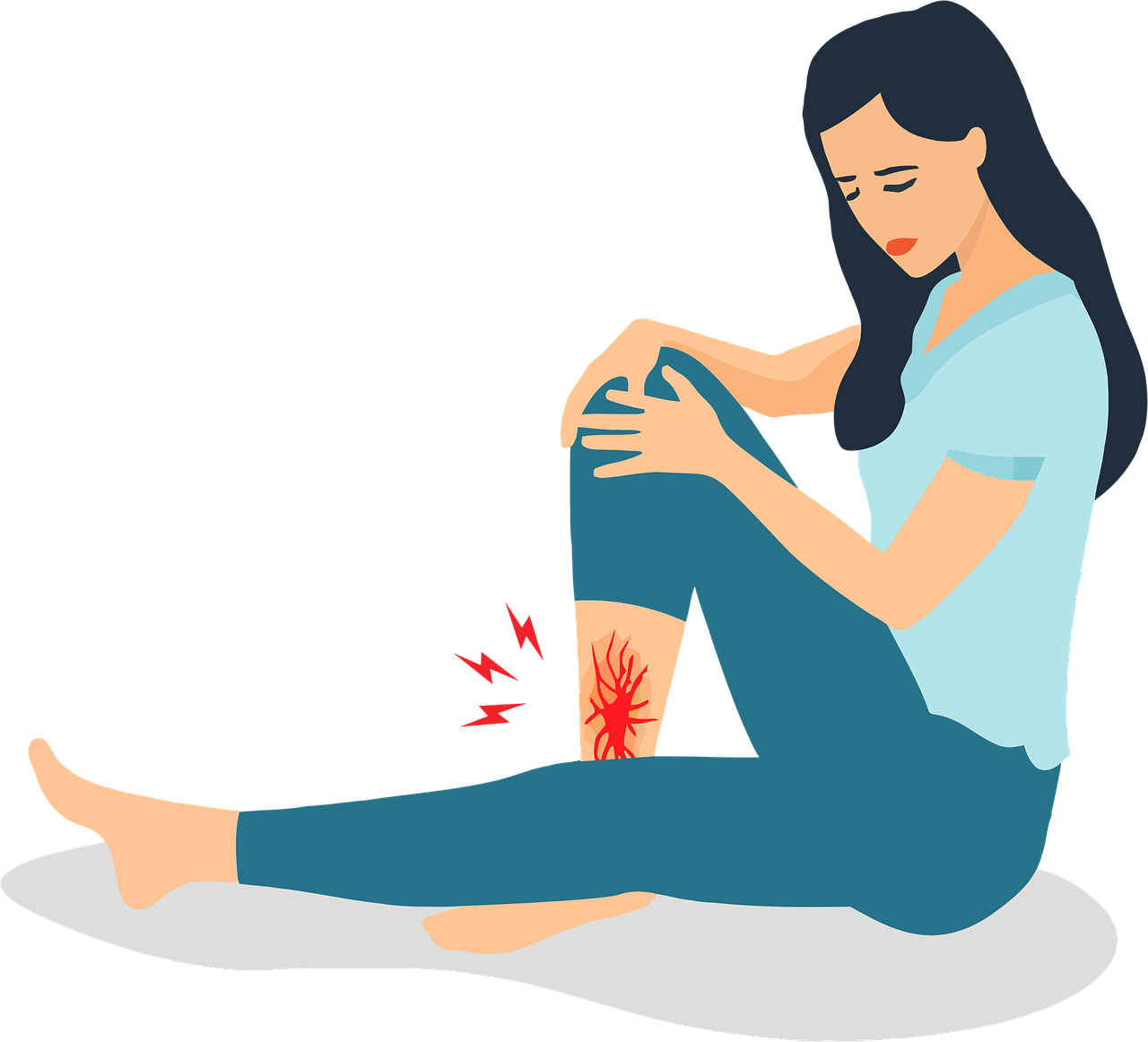

How to Avoid IT Band Syndrome While Running
Running is an excellent way to stay fit, but it can lead to various injuries, including IT Band Syndrome. This type of injury typically affects runners and can be quite painful. To reduce the risk of developing IT Band Syndrome, understanding its causes and prevention strategies is essential. One critical factor is the alignment of your body during running. If your feet overpronate or if your legs are misaligned, this can increase stress on the IT band. Choosing the right footwear is vital, too, as shoes with inadequate support might exacerbate these alignment issues. Furthermore, learning about your running style or gait can reveal potential risks. Regular consultations with a specialist can be beneficial to identify and address any imbalances. Another crucial point is to avoid sudden increases in running mileage and intensity. Gradual changes in training will allow your body to adapt effectively, minimizing the risk of injuries like IT Band Syndrome. Overall, incorporating these measures will significantly help to decrease the chances of injury as you pursue your running goals. Adequate preparation is crucial for a fulfilling running experience.
The Importance of Strength Training
Strength training is an effective way to support your running performance and prevent injuries like IT Band Syndrome. By strengthening various muscle groups, particularly those around your hips, thighs, and core, you can improve your overall stability and alignment. This enhanced strength helps in maintaining better form while running, reducing the stress on the IT band. Essential exercises include squats, lunges, and hip bridges, all of which target the important muscle groups involved in running. Additionally, incorporating exercises that promote flexibility and stability is equally beneficial. These include stretching and balance exercises that enhance muscle elasticity and improve coordination. Using resistance bands can also be effective in strengthening the hip abductors, which play a significant role in hip stability. Furthermore, allocating dedicated strength training sessions into your running routine is essential. Aim for at least two sessions per week to see noticeable improvements. These sessions should be balanced with your running schedule to avoid fatigue. Proper planning ensures you can maintain high levels of performance while protecting yourself from injury, allowing enjoyable and sustainable running for years to come.
Foam rolling and self-myofascial release techniques are also vital for preventing IT Band Syndrome. Incorporating these practices into your warm-up and recovery routines can drastically improve your muscle recovery and flexibility. Foam rolling helps to release muscle tightness and improve blood flow, which can reduce soreness and enhance performance. By targeting specific areas, such as the quadriceps, hamstrings, and glutes, you can reduce overall tightness and decrease the strain on the IT band. Ideally, perform foam rolling exercises post-run or on rest days, allowing time for muscle recovery. In addition to foam rolling, consider utilizing other recovery techniques, such as dynamic stretching before runs and static stretching afterward. These techniques help to keep the muscles supple and flexible. Additionally, always pay attention to any signs of discomfort, as early intervention can prevent potential injuries. Keeping track of how your body feels during and after runs is essential; this can help you identify areas that may require extra attention. Prioritizing muscle recovery lays the foundation for a successful running journey, allowing you to enjoy the many benefits running offers while minimizing the risk of injury.
Recovery Strategies for Runners
Implementing proper recovery strategies is essential for any runner wishing to avoid IT Band Syndrome. Recovery not only helps to heal your muscles after training but also strengthens your body against potential injuries. One effective method is to incorporate active recovery days into your training schedule. These days can involve low-impact activities such as cycling or swimming, which keep you active while allowing your running muscles to recuperate. Proper hydration and nutrition are also critical components of recovery. Ensure that you consume an appropriate balance of carbohydrates, proteins, and fats to support muscle repair and maintain energy levels. Consuming protein-rich foods, such as lean meats, legumes, and dairy, within an hour after a run is particularly beneficial. Additionally, don’t underestimate the importance of adequate sleep. Quality sleep helps to repair muscle tissues and replenish energy. Consider setting a regular sleep schedule to ensure you get sufficient rest each night. Lastly, regularly engaging in relaxation techniques, such as yoga or meditation, can aid recovery by reducing stress levels, contributing to better overall physical health. These strategies underscore the importance of a holistic approach to your running regimen.
Before starting on these practices, it’s essential to listen to your body and assess its needs. Each runner is unique and may require different approaches for optimal outcomes. For example, if you experience discomfort in the knee or hip area, pay extra attention to that, as it may be a sign that your IT band is becoming tight. Consider starting any new routine gradually and consult with a professional if you’re unsure. Learning from experts can provide personalized insights and strategies that fit your specific needs. To further bolster your running efficiency, engage in cross-training activities, which can improve aerobic capacity without the same injury risk. Activities like swimming or cycling can enhance cardiovascular fitness while providing your running muscles the rest they need. Continuous education about body mechanics and injury prevention can empower you as a runner. Moreover, connecting with a community of runners can provide invaluable support and motivation. Sharing experiences and advice can offer new perspectives and techniques, ultimately enhancing your running journey. This collaborative approach can boost your confidence and commitment as you work toward your personal best.
Monitoring Training Progress
Monitoring your training progress is another critical technique for preventing IT Band Syndrome. Keeping a running journal or using mobile apps can help track your training habits, mileage, and any discomfort experienced. Documenting your runs allows you to identify patterns or trigger points where your body may need additional attention. By analyzing this information, you can make informed adjustments, such as varying your routes or modifying your pace. Set realistic goals and benchmarks for progress, ensuring that you are gradually increasing the distance and intensity of your runs. This gradual approach minimizes the risk of overexertion and injury. Take time to evaluate any recurring issues, and seek professional guidance when necessary. If discomfort persists, consult with a physical therapist who specializes in sports injuries. They can provide tailored recommendations to alleviate your discomfort and aid recovery. Additionally, consider participating in community running groups or clubs, as these can offer support and inspiration while helping you remain accountable for your training. Regularly reviewing your training data empowers you to tailor your approach proactively, ensuring a successful and injury-free running experience.
Moreover, consider adding variety to your running routine by switching up terrain. Running on softer surfaces, such as trails or grass, can reduce stress on your joints compared to hard pavements. Choose different routes that challenge your body and encourage engagement with varying muscle groups. This variety keeps your mind entertained and helps avoid monotony, making running more enjoyable. Additionally, consider incorporating interval training into your regimen. Short bursts of speed followed by rest periods increase stamina and strength, enhancing overall performance while keeping the IT band engaged in diverse ways. However, it is essential to listen to your body when trying new routines. If discomfort arises, modify your activities to avoid aggravating any potential injuries. Lastly, fostering a proactive mindset about injury prevention will support your running journey. Developing good practices, remaining aware of your body’s signals, and taking action when necessary are crucial components of successful running. Recognizing that it is not solely about the miles but also about how you care for your body will lead to a healthier, more enjoyable running experience. With these strategies in place, the chance of developing IT Band Syndrome will be significantly reduced.
Conclusion
In conclusion, avoiding IT Band Syndrome while running requires a comprehensive approach focusing on various factors, including training, recovery, and awareness of your body’s needs. Implementing strength training, flexibility exercises, and proper recovery strategies can all contribute to better performance and reduced injury risk. Listening to your body and making adjustments based on your unique needs is essential for preserving a healthy running lifestyle. Incorporating foam rolling, hydration, and cross-training can make a significant difference in preventing discomfort. Additionally, tracking your progress and being mindful of your training habits creates opportunities to make necessary changes. Community support and professional consultations can further enhance your journey, providing insights, motivation, and accountability. Always remember that your health and well-being should come first. Establishing a balanced approach to running fosters not only longevity but also enjoyment. With the right tools and knowledge, any runner can effectively navigate the challenges associated with injury prevention. Choose to prioritize your health by integrating these techniques, ensuring you can enjoy running for many years to come. Through dedication and attention, you can pursue your running goals while safeguarding against injuries effectively.