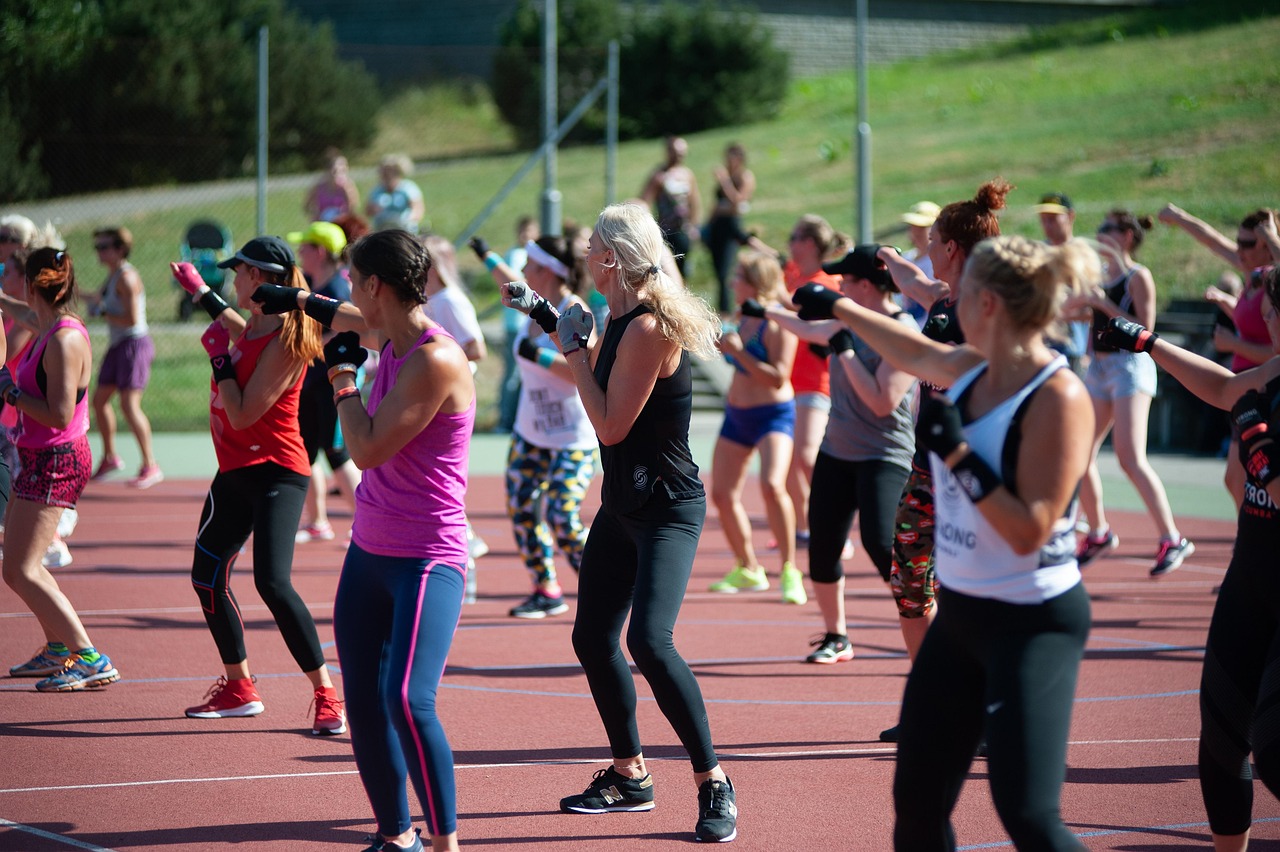

How to Adapt Dance Fitness for Different Fitness Levels
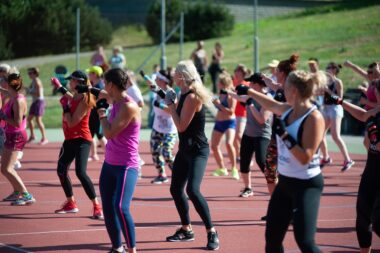
Dance fitness is a vibrant way to incorporate physical activity into your routine. To ensure everyone can participate, it’s crucial to adapt the exercises based on various fitness levels. Beginners may feel overwhelmed when faced with complex routines; therefore, introducing easy movements helps build confidence and familiarity. Start with basic steps, allowing participants to gradually familiarize themselves with the movements. For those more experienced, increasing the intensity provides a challenge. This could mean faster-paced music or more intricate choreography to elevate the heart rate. Adaptations can also involve equipment, like adding light weights or resistance bands for strength training elements. When creating a class, consider different group coordination levels as well. You can use partner workouts to enhance engagement, allowing beginners and seasoned participants to connect through shared movements. Additionally, offering modifications within the class helps everyone feel included. Foster a supportive environment where everyone celebrates their achievements, regardless of their fitness journey. Remember, the essence of dance fitness lies in enjoyment and community involvement, ensuring everyone can participate and feel comfortable while getting fit through dance.
Encouraging Beginners
Encouraging beginners can lead to a stronger dance fitness community. By making classes accessible, beginners can find motivation within an inviting atmosphere. It’s essential to create a welcoming space where newcomers feel comfortable exploring movements without the fear of judgment. Begin each class with warm-up exercises that gradually ease participants into the dance routine. Clear demonstrations and simple explanations of movements promote understanding, helping newcomers build confidence. Using easy-to-follow, repetitive choreography allows beginners to keep up with the class rhythm. Encourage peer interactions, fostering friendships during sessions. Acquainting participants with the equipment beforehand, like mats or bands, is beneficial too. Consider offering beginner workshops specifically designed to address varying fitness levels. These workshops can serve as an excellent opportunity for newcomers to learn foundational skills without the pressure of a mixed class. Remember to provide positive feedback to bolster their confidence and celebrate small victories along the way. Highlighting the benefits of dance fitness, such as improved mood and physical strength, encourages ongoing participation. With a supportive environment focused on enjoyment, beginners are more likely to continue their fitness journey in dance.
Intermediate dancers often seek more challenge and complexity in their workout routines. To adapt for this level, incorporate techniques that elevate their heart rates while still maintaining the joy of dance. For instance, introduce varied styles, which could include Latin rhythms, hip hop, or even ballet-inspired movements. Each style offers unique benefits and the chance to learn something new. Encourage participants to set personal fitness goals, whether improving flexibility, endurance, or mastering specific dance moves. More complex choreography can engage intermediate dancers while promoting teamwork and camaraderie among participants. Integrating partner routines can also enhance connection and fun. Including strength and conditioning elements throughout the class aids endurance, making the dances more rewarding. Consider using interval training methods, alternating between high-energy segments and low-intensity recovery periods. These intervals keep their hearts engaged while allowing brief recoveries. Additionally, challenge them with dance-offs or group competition, enhancing both motivation and enjoyment. Remember, catering to intermediate participants ensures they remain engaged in their fitness journey. Showcasing small victories enhances their confidence, motivating them to return and explore further challenges in the world of dance fitness.
Advanced Dance Fitness Techniques
For advanced dancers, the focus shifts toward refining their skills and enhancing their physical performance. Introducing intricate choreography and fast-paced sequences challenges their coordination and adaptability. Focus on incorporating various dance styles like jazz, contemporary, or even street dance to enrich their experience. Advanced participants often thrive on competitiveness, so consider organizing friendly dance battles or showcase events to engage their skills. Challenge them to learn new choreography faster or to improvise segments to foster creativity. Implementing advanced conditioning techniques can build strength and flexibility, ultimately improving dance performance. Using dynamic stretching or plyometric movements within warm-ups prepares their bodies for intense sessions. High-tempo music encourages energy and stamina, while more vigorous routines foster cardiovascular endurance. Regular assessments or check-ins with participants can help identify their progress and areas for further enhancement. It’s also beneficial to offer workshops with guest instructors, introducing new perspectives and techniques. Encouraging advanced dancers to contribute by leading segments creates a sense of ownership and community. Overall, adapting dance fitness for advanced levels is about maintaining enthusiasm while also pushing boundaries to maximize potential and enjoyment.
Understanding different fitness levels helps tailor music selection, as beats and tempo can significantly enhance motivation. For beginners, slower, more manageable tunes allow them to feel the rhythm without feeling rushed. Upbeat and lively tracks should dominate intermediate levels, as they encourage participants to move confidently while challenging their coordination. Additionally, advanced classes may thrive with high-energy beats—fast-paced genres push participants to stay engaged and energized. Incorporating a diverse playlist can appeal to all levels, making the class enjoyable for everyone. Consider creating themed classes centered around specific music genres, like 70s disco, Latin, or modern pop. This not only keeps routines fresh but also introduces variety to maintain participant interest. Thematic classes can also foster a sense of community as participants share a common experience. Moreover, offering feedback on music choices allows participants to feel valued and engaged in the process. Be adaptable, responding to how participants react to different tracks, ensuring they remain motivated throughout the session. Create a balance between challenge and comfort, as maintaining an enjoyable atmosphere will keep your fitness community growing and thriving.
Creating a Supportive Environment
Fostering a supportive environment is essential in dance fitness, especially across various fitness levels. An environment that encourages positivity enhances participant experiences significantly. Coaches and instructors should emphasize constructive feedback and build open lines of communication with class members. Create opportunities for participants to share their goals and challenges, allowing them to support and encourage one another. Celebrating individual milestones can strengthen connections within the group, fostering motivation to improve. This includes acknowledging achievements during classes, recognizing progress over time, or setting up challenges where everyone can participate. Encourage social engagement outside class sessions by organizing group outings, like community dance events, workshops, or friendly competitions. Providing resources like gyms, workout tips, or podcasts can enhance members’ fitness journeys. Aim to promote inclusivity, allowing participants to identify where they feel most comfortable while pushing their boundaries gently. Consider incorporating feedback sessions to understand how participants perceive and enjoy classes. This enables you to adapt and personalize their experience further. Support fosters trust and inclusivity, enhancing retention in classes through genuine community building based on shared goals and values.
Adapting dance fitness classes for different fitness levels ensures everyone enjoys their journey while staying engaged. It’s essential to regularly assess the progress of all participants, adjusting the class right where necessary to keep up with their fitness growth. Providing clear instruction is vital to accommodate those at varying levels. Highlight suitable exercises and expansions within the dance routines, ensuring everyone feels capable. Offering modifications within moves helps decrease the chance of injury while keeping participation enjoyable and safe. This allows for a seamless entry point into more advanced techniques over time, as individuals gain confidence. Ensuring that classes are social and enjoyable helps build long-lasting habits in participants. Regularly engaging them through fun challenges, dance-offs, or themed classes can keep attitudes positive. Keep striving to create an environment where every level feels significant in contributing towards their wellness. Incorporate creativity by allowing participants to showcase their unique style in performances. Ultimately, fostering an enjoyable and inclusive dance fitness environment will encourage continued participation across all fitness levels, as a standard commitment to supporting individual journeys promotes growth, accomplishment, and joy.