
From Breath to Belly: Crafting Better Digestion Through Breathing
Deep breathing techniques have gained prominence for their holistic benefits, especially in enhancing digestion. Practicing these techniques can boost oxygen flow and stimulate the digestive muscles. This, in turn, helps the body break down food more effectively. The diaphragm plays a pivotal role in the process, actively aiding in the movement of food through the digestive tract. When you engage in deep breathing, your body shifts into a parasympathetic state, promoting relaxation. This is essential since stress can impair digestion significantly. Incorporating breathing exercises into your daily routine can thus be a powerful tool. Moreover, these techniques promote mindfulness, allowing you to make conscious dietary choices. A well-functioning digestive system directly correlates with overall health, making it vital to explore natural ways to enhance digestion. Integrating deep breathing can lead to reduced bloating, gas, and discomfort post-meals. Numerous anecdotal reports support this approach. Consequently, individuals searching for a practical method to support digestive health might consider breathwork an excellent option. But how does one effectively integrate these breathing techniques into daily life? Let’s delve deeper into practical exercises that boost digestive well-being.
Understanding Deep Breathing
Deep breathing, often labeled as abdominal or diaphragm breathing, emphasizes the use of the diaphragm rather than shallow chest breathing. This technique naturally maximizes the volume of air taken into the lungs, allowing for improved oxygen exchange. By engaging the diaphragm, you can influence your body’s physiological processes quite effectively. When practiced regularly, deep breathing lowers heart rates and promotes a sense of calm; this relaxation response is essential for optimal digestion. Stress triggers the body’s fight-or-flight response, which can hinder digestive functionality. In contrast, activating the diaphragm through deep breathing can stimulate the vagus nerve, promoting gastrointestinal health and regularity. Moreover, research suggests that focusing on breath patterns can foster greater awareness of physiological sensations, including hunger signals. Such awareness can lead to improved eating habits and choices. Practicing this technique is relatively simple; find a quiet space, sit comfortably, and focus on controlled, slow breaths. Aim to exhale fully, allowing for effective movement of the diaphragm. Over time, with patience and consistency, you may notice not only improvements in digestion but also in overall wellness and stress management through this technique.
Incorporating deep breathing into your routine can be straightforward and fulfilling. Start by designating specific times in your day for practice. Morning and evening sessions can be particularly beneficial. Additionally, you can integrate breathing exercises during meals, fostering mindfulness as you eat. One effective method is the 4-7-8 technique: inhale for four counts, hold for seven, and exhale for eight. This sequence promotes relaxation and prepares your body for digestion. During meals, take a moment to pause and take a few deep breaths before indulging in your food. This not only enhances your digestive process but also improves your eating experience by grounding you in the moment. Another suggestion is to practice deep breathing before engaging in any physically taxing activity, enabling optimal oxygen delivery to muscles and promoting recovery. Apps and guided sessions available online can further enhance your practice, providing assurance and structure for beginners. Remember to remain patient with your journey; consistency is key. All these strategies can result in tangible improvements in your digestion, enabling you to enjoy food without discomfort and dissatisfaction. Let’s proceed to explore some common deep breathing exercises that can greatly help digestion.
Effective Breathing Techniques
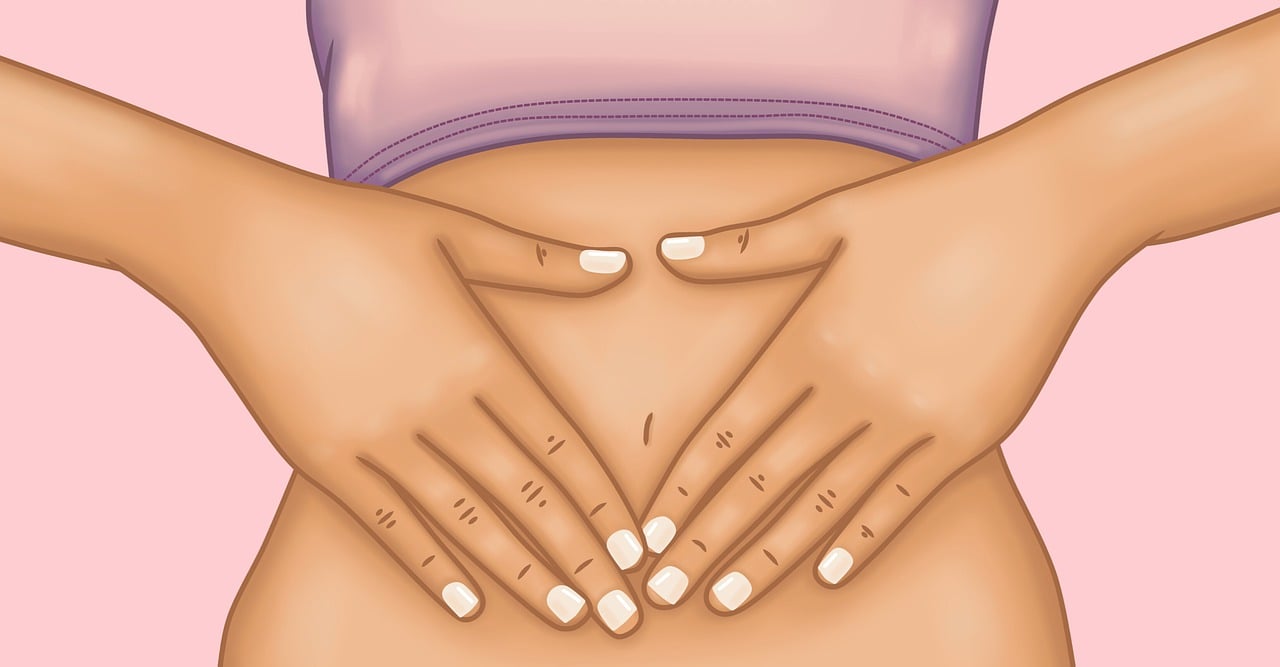
Many breathing exercises can specifically target improvement in digestion. One such effective technique is called “Abdominal Breathing.” To practice this method, find a comfortable sitting position. Place one hand on your chest and another on your abdomen. When you inhale deeply, focus on pushing your hand away from your abdomen while keeping your chest still. This encourages taking deeper breaths and engaging the diaphragm fully. Aim for at least 5 minutes a day, gradually increasing duration as you become comfortable. ÜAnother technique is “Pursed-Lip Breathing,” which improves breath control. Inhale through your nose for two counts, then exhale through pursed lips slowly, as though blowing out a candle. This technique slows your breathing, allowing better oxygen exchange and reducing stress—a vital aspect of digestive health. Practice this for several minutes, especially during high-stress moments. Finally, “Alternate Nostril Breathing” is known to balance both sides of the brain, bringing focused calmness and clarity. Block one nostril while breathing through the other, then switch. A regular practice of these techniques offers not only digestive benefits but also mental tranquility. Persistence and mindfulness will lead to noticeable improvements in your gut health.
Adopting deep breathing practices does not merely end with exercises. It’s equally vital to create an environment conducive to relaxation and mindfulness. Ensure that your eating environment is calm and free from distractions, allowing for a focus on both food and breath. Dimming the lights, setting the table intentionally, and minimizing distractions like screens can transform your meals into mindful experiences. Complementing deep breathing with other wellness practices can also enhance outcomes; consider adopting yoga or meditation into your lifestyle. These practices are designed to promote awareness and relaxation. Drinking herbal teas known for their digestive properties, like peppermint and ginger, after meals can further aid your digestion when combined with deep breathing techniques. Regular physical activity should also be a part of your wellness strategy. Incorporating light exercises post meals can be beneficial for digestion too. Additionally, remaining hydrated and choosing nutrient-dense foods is essential for your digestive health, rich in fiber and low in processed sugars. A holistic approach to these aspects will empower your digestive system. Encouragingly, the journey toward better digestion through deep breathing is very approachable, leading to sustained well-being for many individuals.
Listening to Your Body
While engaging in deep breathing practices for digestion, self-awareness is fundamental. Listening to your body regarding when it needs rest or activity is crucial. Individual responses to breathing exercises can vary significantly from person to person. It’s essential to be patient as you practice and adjust your techniques to meet your comfort levels. Mindfulness can enhance your connection with your body and its digestive needs, especially during moments of stress or discomfort. If you sense that certain foods are problematic, take steps to address your dietary habits, practicing breathwork before making food choices. Engaging in regular reflection and journaling about your eating experiences can allow you to pinpoint connections between food, emotional states, and your digestive responses. By understanding your body better through such reflections, you can personalize your practices to ensure effective outcomes. Make adjustments depending on your needs, as maintaining flexibility throughout your wellness journey is vital. Experimenting with different breathing patterns or times of practice can yield significant insights. Remember, each person’s body is unique, and maintaining an open mind while cultivating deeper self-knowledge will lead to more profound benefits in digestion and overall health.
Ultimately, the journey of enhancing digestion through breathing is far-reaching and multifaceted. As we’ve explored the benefits of deep breathing techniques, the importance of mindfulness, and self-awareness, it’s clear that strides can be made toward improved well-being. Adopting these practices enables individuals to reclaim agency over their digestive health. As much as results may vary initially, persistence and a willingness to learn will pave the way for success in your wellness journey. Try combining these breathing exercises with a balanced diet, regular physical activity, and reduced stress to amplify your digestive health benefits. This approach can shift your perspective on food, transforming meals into nourishing experiences. Furthermore, sharing your journey with friends or community can foster motivation and connection, assisting in maintaining accountability. As science increasingly recognizes the interplay between mental and physical health, embracing practices like these can have a lasting impact. To transform your digestive health through breathing techniques is possible with dedication and practice. Let your breath guide you to a healthier and more balanced life, ultimately leading to a thriving digestive system.
Embrace this ancient wisdom and explore how the art of breathing can truly reflect in your daily life. As you integrate deep breathing into different facets of your routine, observe changes in your body and mind through a fresh lens. Remember, there is no one-size-fits-all method. Discover what resonates with you, and adapt principles according to your experiences. No longer just exercises, these techniques become pathways toward empowerment and self-care, contributing greatly to your overall well-being. Doing this nurtures a profound connection between breath, body, and emotion, ultimately enhancing digestive experiences. The journey unfolds step by step—give yourself grace and celebrate progress along the way. Engaging in these routines provides an opportunity to align your physical and mental states with your nutritional goals. Seek inspiration through books, courses, or community groups that promote similar practices. Ultimately, by choosing to prioritize your health, you set a powerful example for those around you to follow. Whether you are experiencing discomfort, pursuing wellness, or simply wishing to enhance your quality of life, begin with your breath. Focus on creating a fulfilling path toward better digestion, guided by your natural, rhythmic breath.