
Family Support Networks Within Communities for Injury Healing
Injury recovery is often a challenging journey, but family support networks play a crucial role in aiding this process. These networks, situated within local communities, provide emotional, financial, and practical assistance to those recovering from injuries. Families can enhance recovery by involving themselves actively and supporting one another. Engagement in familial relationships fosters resilience and motivation, which are essential for healing. Recognizing the importance of these support systems can transform an individual’s rehabilitation experience. Communities can facilitate gatherings that encourage families to share resources and coping strategies, allowing them to work collectively towards recovery. Participating in shared activities strengthens bonds while also teaching valuable lessons about caregiving. Families are tasked with the responsibility of understanding both the physical and emotional challenges their injured member faces. Workshops focused on injury recovery can help families better understand the needs of their loved ones. Implementing support groups can assure that families feel less isolated. Access to information and shared experiences promotes healing and unity in communities, leading to successful recovery. Individuals in recovery often thrive when embraced by strong familial support, which significantly influences their rehabilitation journey.
The approach towards rehabilitation encompasses not just the individuals but their immediate family and community networks as well. Family support can significantly influence an injured person’s emotional state, which in turn affects their physical recovery. For instance, a family member participating in therapy sessions or simply being present during medical appointments can make a world of difference. Families should engage in open conversations about the recovery process to ensure everyone is on the same page. The role of emotional support cannot be understated. Studies indicate emotional and mental well-being heavily impacts recovery outcomes, emphasizing the need for compassion and understanding within families. Families often seek ways to bond through common activities, fostering a sense of normalcy. Maintaining routines and traditions can provide comfort to the injured person during tough times. Additionally, communities can support families by offering resources such as counseling services and workshops focused on family dynamics during recovery. Availability of community resources can ease the feelings of frustration, helplessness, and isolation that families may experience. Ultimately, nurturing these family ties can lead individuals toward a more supportive environment for successful injury recovery, making the entire process feel less daunting.
Community Involvement in Support Networks
Communities form the backbone of family support systems during injury recovery. Local organizations, health care providers, and civic groups can collaborate to create networks that help families navigate the complex recovery landscape. Through workshops, seminars, and informational resources, communities can educate families about the recovery process. Awareness programs regarding physical therapy and rehabilitation strategies can empower families to provide better support. Engaging in local initiatives contributes to a sense of belonging that can be immensely beneficial. Families are encouraged to participate in community events where they can meet others undergoing similar challenges. Such interactions not only provide emotional relief but enable sharing of practical advice. Moreover, the power of community resources can be harnessed to organize fundraising activities, benefiting families who might experience financial strains due to injuries. Peer support groups can be a fantastic avenue for connecting individuals with resources and services tailored to their needs. Collectively, communities can lead initiatives that address common concerns about injury recovery, fostering communication and understanding among families. Collaborative efforts can not only ease the burden of recovery but also create lasting relationships among families and individuals dealing with injury.
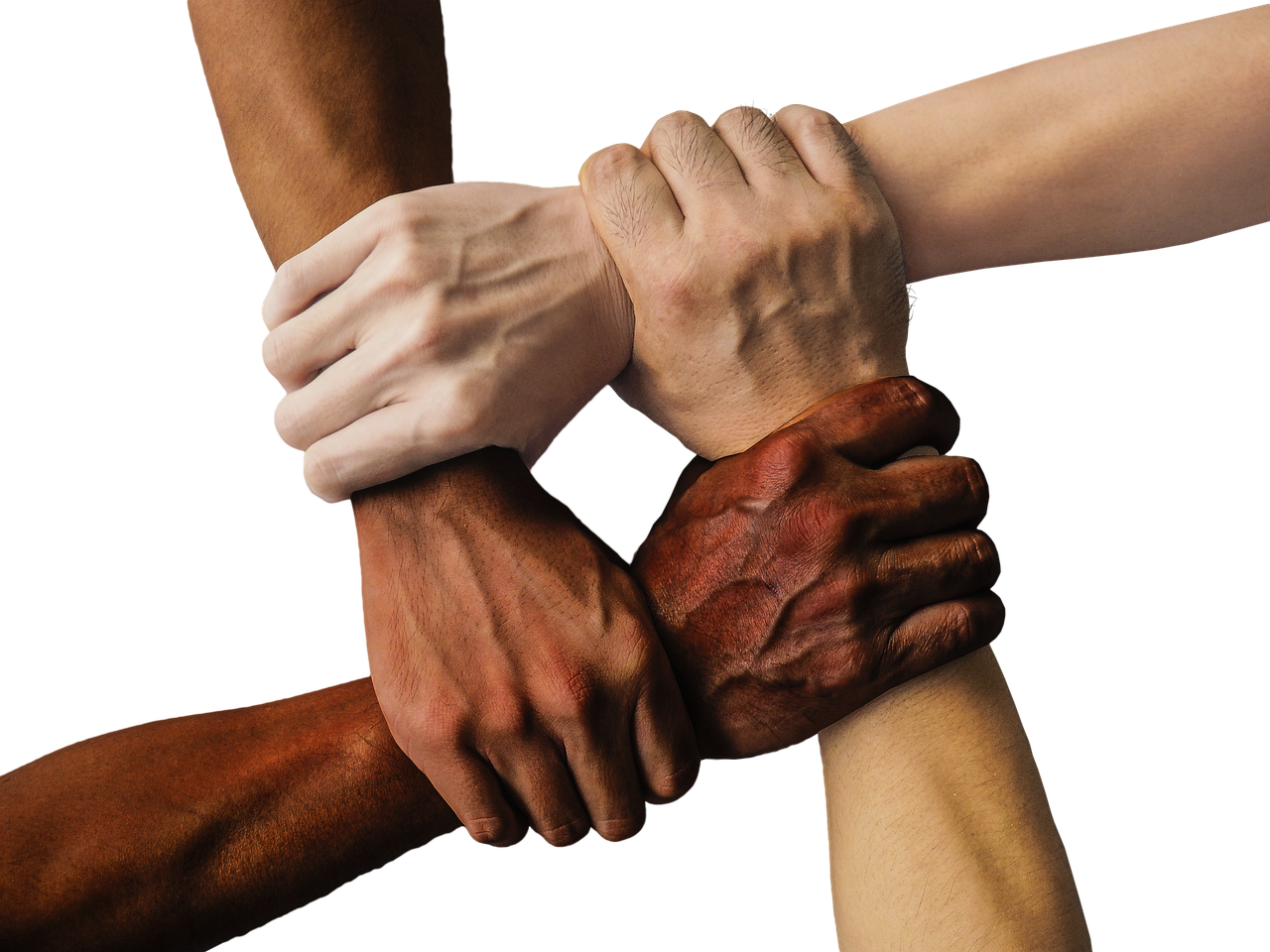
Injury recovery often requires various forms of assistance, which can be facilitated by family support networks within communities. The availability of accessible information is key for families to understand specific injury needs and recovery processes. Recognition of the emotional and psychological aspects of healing assists families in providing holistic care. When families access community support resources, they can gain insights and guidance crucial to navigating recovery. Utilizing local health resources enables families to join hands with professionals who can provide specialized advice tailored to their situation. Support groups, whether online or in-person, can allow families to articulate their experiences and challenges, fostering a healthy dialogue about injury recovery. Furthermore, engaging in community service can also be therapeutic for families. Volunteering creates a support network where families can share their narratives while helping others, which aids in their healing journey. Activities fostering togetherness can demonstrate the importance of collaboration in recovery. Resource sharing enhances support dynamics by diversifying perspectives and approaches to issues families face. Ultimately, community engagement significantly enriches family support networks, facilitating better outcomes for individuals recovering from injuries.
The Role of Education in Recovery
Education plays a vital role in strengthening family support networks during injury recovery. It equips families with the knowledge needed to assist their loved ones effectively. Educational resources can provide updated information on injury-specific therapies and strategies to ensure effective recovery. Workshops that offer training in patient care can empower family members, making them active participants in the rehabilitation journey. Awareness campaigns can inform families about common recovery obstacles and how to overcome them. This approach reduces stress and anxiety associated with the unknown. Furthermore, families that are educated about their loved one’s injury are more likely to advocate for better treatment options. Online platforms can be developed to provide ongoing information and maintain engagement among support networks. Community outreach programs can also significantly enhance understanding of the recovery process by involving families in educational initiatives. Interactive learning opportunities can promote shared experiences that validate struggles faced during recovery. Recognizing that education extends beyond classrooms allows families to build resilience and deepen their connections. The collaborative nature of learning fosters a sense of togetherness while addressing the complexities of recovery.
Successful injury healing is often a multifaceted endeavor that relies deeply on familial involvement. Family support networks offer emotional stability and mental encouragement, both highly necessary for recovering individuals. Engaging family-centered approaches allows each member to understand their significant role in recovery. Regular family discussions can help clarify recovery goals, expectations, and concerns. Families equip themselves with strategies to promote healing behavior and emotional support through these discussions. Local resources such as therapy sessions, health workshops, and physical activities are imperative in building a supportive environment. Seeking assistance from local support groups can also alleviate the family’s emotional burden. Support systems act as a safe space for family members to share their experiences and receive guidance from others in similar situations. Moreover, aligning expectations with reality can relieve tensions that may arise within families. Empowering families through local initiatives promotes a sustainable support network that can benefit everyone involved in the recovery process. This creates a community that understands the significance of unity and support in overcoming challenges associated with injury healing. By prioritizing familial bonds, communities can ensure a smoother recovery pathway for individuals.
Challenges and Solutions in Family Support
Families often face challenges that can hinder effective support during an injury recovery. Understanding these obstacles is the first step towards finding solutions. Limited access to resources or information can make it difficult for families to provide the necessary support. To combat this, communities should prioritize accessibility of information through outreach programs that educate families about available services. Informing families about their local resources can significantly ease feelings of helplessness. Additionally, emotional strains within families can arise due to stress and anxiety caused by the recovery process. These stresses can be mitigated through regular family meetings that encourage open communication, providing an avenue for discussing feelings and expectations. Involvement in support groups can also enhance empathy among family members. Encouraging joint activities, such as therapy sessions or counseling, fosters stronger bonds and unifies the recovery goals. Addressing inter-family conflicts and misunderstandings through guided discussions can pave the way for healing. The role of resilience in overcoming challenges is significant, as families that stand together through trials exhibit improved recovery prospects for injured members. Ultimately, creating solutions to address these challenges strengthens family foundations during the rehabilitation journey.
In conclusion, community support networks significantly enhance family involvement in the injury recovery process. Utilizing available resources allows families to create lasting bonds that make a substantial impact on the recovery journey. Through education, open dialogue, and the pooling of resources, families can navigate the challenges of healing more effectively. Emotional support from family members encourages resilience and determination, enabling individuals to focus on their recovery without additional stress. Communities play an essential role in providing the necessary resources and support systems to strengthen these family connections. By fostering a culture of understanding and compassion, community groups can help remove barriers faced by families during recovery. Greater awareness and accessibility to information streamline support efforts, allowing families to focus on what matters most. Ultimately, a cohesive family support network rooted in community involvement creates a nurturing environment for recovery. Validating individual experiences enhances connections that significantly contribute to healing journeys. Emphasizing the importance of unity during recovery can illuminate positive paths toward rehabilitation and overall wellness for individuals and their families. Family support networks embedded within communities serve as lifelines that guide injured individuals toward recovery.