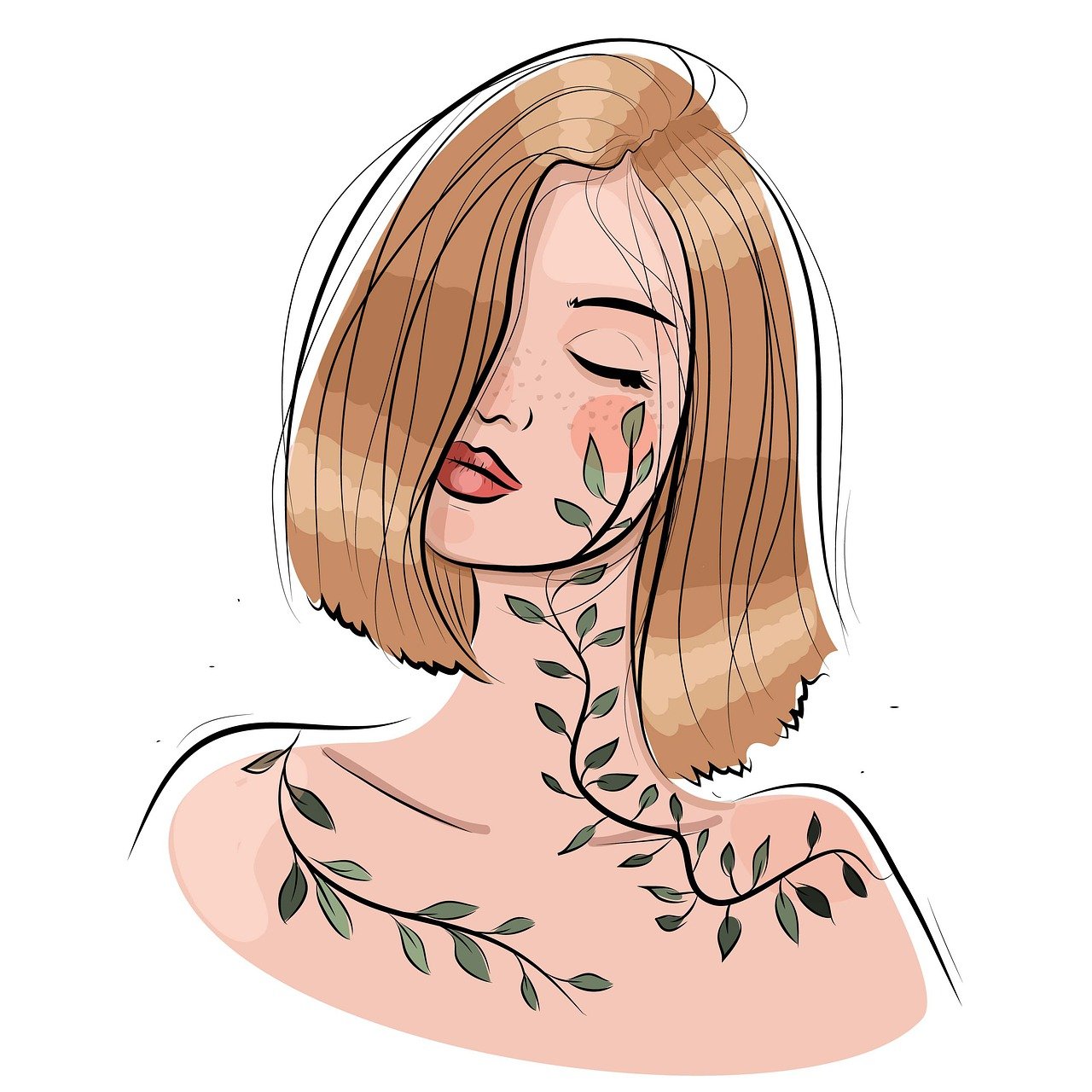

The Healing Power of Portrait Drawing in Stress Management
Stress management is essential in today’s fast-paced world, and art therapy, particularly portrait drawing, offers a profound solution. Engaging in creative processes can significantly reduce anxiety levels. This therapeutic method allows individuals to express emotions that are often hard to verbalize. Portrait drawing provides a unique combination of creativity and self-discovery. As participants immerse themselves in this process, they cultivate mindfulness and focus, leaving behind troubling thoughts. This art form not only improves technical skills but also promotes emotional resilience. Those who draw portraits often find empowerment in their creative choices. They learn to embrace imperfections and celebrate their individuality. Moreover, creating portraits is a perfect vehicle for exploring identity and self-acceptance. Individuals frequently breathe a collective sigh of relief when they see their feelings reflected on paper. Joining art therapy sessions offers a supportive community that enhances emotional healing. Therapists guide participants through their artistic journey, ensuring a safe environment for personal expression. Ultimately, portrait drawing serves as a transformative tool for anyone looking to alleviate stress and gain deeper insights into their inner selves.
Art therapy leverages creativity to foster emotional healing, and portrait drawing is a perfect example. By committing to this form of expression, individuals can confront their stressors. When people commit their thoughts to paper, they are essentially releasing pent-up emotions. This activity is deeply therapeutic, as the act of drawing interrupts negative thought patterns. It allows individuals to channel their frustrations into creative outputs. As they focus on their drawings, they inadvertently practice mindfulness, centering their attention on the physical act of creation. Furthermore, art can bridge the gap between inner turmoil and external realities, facilitating conversations about mental health. Participants often report feeling less burdened and more liberated after a drawing session. They start recognizing the significance of their feelings, leading to healthier coping mechanisms. Involving oneself in art therapy encourages emotional expression beyond conventional methods. Just the act of holding a pencil or brush can evoke feelings of liberation and dignity. With consistent practice, people find a voice through art, encouraging ongoing personal growth and change. This culminates in individual resilience, enabling one to effectively manage stress goes hand in hand with another positive change.
The Process of Portrait Drawing
Exploring portrait drawing can be a substantial element of stress relief. It involves more than just sketching; it is about connecting with oneself through images. Artists begin their portrait creation by observing the subject closely, leading to heightened awareness. This practice encourages one to engage fully with the present moment, a key aspect of mindfulness. Participants learn techniques such as proportionality, shading, and expressive line work, which foster confidence in their artistry. These skills take practice but also enhance concentration levels. Stress often melts away as individuals become absorbed in these techniques. The emotional journey involved in the act of drawing can produce cathartic experiences. For many, the initial stage of creating may yield frustration, but this is where growth occurs. The faces they create often mirror their own emotional landscapes, making for an enlightening experience. Furthermore, sharing finished portraits within a therapy setting fosters community. Participants exchange insights and feelings, enriching the shared experience. This support network empowers each individual artist, reminding them they are not alone in their struggles. Over time, they realize each stroke on paper reflects a step toward healing, reinforcing their resilience and strength.
Portrait drawing acts as a form of storytelling that carries immense potential for stress relief. Every detail created conveys emotions and experiences unique to the artist. As individuals draw, they redefine their personal narrative while externalizing internal conflicts. This form of visual communication surpasses mere dialogue; it reveals truths that words often fail to articulate. Through each stroke, artists are invited to explore their narratives, confronting fears while seeking solace. This exploration can lead to profound reflections and self-discovery. The intimacy of creating someone’s likeness—whether oneself or another—encourages vulnerability. Such openness can foster healing as it allows individuals to accept their emotions. Clients often report reduced feelings of isolation since art serves as a connection point with others. It cultivates an emotional support network, which is crucial in managing stress. Participating in a community art space also normalizes discussion around mental health. The stories told through portrait drawing help spark necessary conversations, contributing to broader societal change. The experience is cathartic and frequently results in emotional release, helping to reduce anxiety. Every completed portrait signifies a step toward personal healing, leading to improved mental clarity over time.
Benefits of Art Therapy
Art therapy encompasses a myriad of benefits that extend into mental health promotion, especially in the realm of stress management. Engaging with colors and forms stimulates the brain’s emotional processing centers. It eases the burdens of anxiety and depression by transforming stress responses into creativity. Participants often find joy in the act of creating artwork, which becomes a meditative experience. This joyful engagement fosters an environment conducive to personal exploration. Flexibility is another hallmark of art therapy; it requires no previous artistic experience. Everyone can find solace and healing through self-expression. The act of creating is inherently rewarding; it nurtures self-compassion and confidence. As skills develop, an enhanced understanding of one’s emotional landscape emerges. Portrait drawing, specifically, builds deeper levels of connection and introspection. It allows individuals to depict their feelings visually, leading to greater emotional intelligence. This artistic practice can create a safe space where all feelings, even painful ones, are acknowledged. The ability to share artwork in a group setting can also encourage discussion, thus breaking down isolating barriers. These interactions promote healing while providing valuable insight into the human experience.
Moreover, integrating portrait drawing into self-care routines fosters resilience against stress. Artistic expression nurtures a channel through which emotions can flow freely, reducing the impact of stressors. Regular engagement in this form of creative release can improve overall well-being. Participants frequently experience a sense of empowerment as they take control over their emotions through art. Creating portraits often leads to insightful revelations about identity. Artists can visualize their self-image and confront unhealthy perceptions while reinforcing positive affirmations. This transformative process can inspire significant lifestyle changes and improved coping mechanisms. Over time, individuals discover that portrait drawing becomes a trusted ally in managing stress. They develop a distinctive art language that resonates personally, serving unique emotional needs. The therapeutic relationship formed with one’s art becomes indispensable, offering ongoing motivation and a break from daily routines. In addition, drawing can become a form of meditation, offering a retreat from modern life’s chaos. Through this retreat, individuals reclaim their peace. The resilience built through this practice is evident in enhanced emotional stability, fostering a robust sense of self-worth and capability to tackle life’s challenges more effectively.
Conclusion: A Path to Healing
Engaging in portrait drawing through art therapy shines a light on alternative pathways to stress management. This innovative approach empowers individuals to take charge of their emotional health. The creative process opens doors to understanding stressors while providing a framework for healing. Participants learn to view their challenges from different perspectives through artistic expression, unveiling new coping mechanisms. Portrait drawing is not simply a pastime; it becomes a journey toward self-discovery. Ultimately, the combination of creativity, mindfulness, and community results in comprehensive healing. As individuals navigate their artistic journey, they cultivate resilience that can withstand future stressors. By regularly incorporating art into their lives, people can foster a deeper connection with themselves and others. This connection can strengthen the support networks vital for mental and emotional health during challenging times. Art therapy allows for timeless expression while emphasizing the importance of emotional well-being. As awareness of mental health continues to grow, utilizing portrait drawing in therapeutic settings will become more prevalent. Individuals can break free from the burdens of stress one portrait at a time, leading to a healthier and more fulfilling life.
In summary, portrait drawing as a form of art therapy offers invaluable stress relief. It serves as a bridge between mind and heart, guiding individuals through their emotions while teaching essential coping strategies. Without a doubt, its therapeutic benefits can transform lives. Clients often leave sessions feeling lighter, empowered by their creations and aware of potential growth. Through art, people can define their emotional landscape and reflect on their personal narratives. Creating art can lead to positive lifestyle changes that prevent the cycle of stress. And, in doing so, participants develop a healthy relationship with creativity. It is time to embrace the healing power of portrait drawing; doing so unlocks potential for enhanced emotional well-being.