
The Connection Between Herbal Nutrition and Hormonal Fitness
Hormonal health significantly impacts various aspects of well-being, including mood, energy levels, and metabolism. Many individuals seek natural solutions to support hormonal balance, and herbal nutrition plays a vital role in this quest. Certain herbs have demonstrated properties that can enhance hormonal fitness by promoting balance, potentially altering metabolism and improving overall health. For instance, herbs such as ashwagandha, maca, and chaste tree have been noted for their beneficial effects on the endocrine system. Learning how to incorporate these herbs into daily routines can yield substantial health benefits. Individuals may consider herbal supplements, teas, or culinary applications to maximize these herbs’ effects. Remember, consulting with healthcare professionals before introducing new herbs is essential to avoid adverse impacts. Lifestyle, including diet and exercise, also interacts with hormone levels and can be enhanced through holistic approaches. Individuals striving for optimal hormonal health should embrace a multifaceted approach, combining herbal nutrition with healthy choices. This holistic perspective aids in sustainable wellness and encourages a deep understanding of one’s bodily responses to different herbs.
One commonly discussed herb for hormonal fitness is ashwagandha, an adaptogen adapting the body to stress. This herb is known to influence cortisol levels, reducing the impact of stress on overall health. Elevated cortisol can lead to various issues, including weight gain and mood disturbances. Including ashwagandha in your routine can help regulate cortisol levels and foster resilience to stress. As a result, individuals may experience improved quality of life and feelings of calmness. In contrast, maca root is another superb herb for hormonal support. Traditionally used in Peru, maca is prized for its adaptogenic properties and supportive role in sexual health and fertility. This nutritional powerhouse can enhance libido and energy levels, contributing to sexual wellness and vitality. It can be consumed in powder form, added to smoothies, or taken as a supplement. The synergistic benefits of these herbs reveal the incredible potential they hold for hormone-related wellness. Learning to utilize these herbs effectively in your lifestyle will cultivate better health and bring menstrual wellness and hormonal balance into focus, providing a sustainable approach to long-term fitness.
Traditional Uses of Herbs in Hormonal Support
Throughout history, various cultures have turned to herbs for hormonal support, laying the foundation for modern herbal practices. Traditional medicine systems, such as Ayurveda and Traditional Chinese Medicine (TCM), emphasize the integration of specific herbs to promote hormonal balance. For example, in Ayurveda, practitioners often recommend shatavari, known for its positive effects on women’s reproductive health. Shatavari supports hormonal regulation and has been used to aid fertility and manage menstrual cycles effectively. Similarly, in TCM, dong quai is considered a vital herb for women’s health, often used to alleviate menstrual discomfort and support overall reproductive function. The timeless wisdom contained within these traditional practices offers valuable insights into the benefits of herbal nutrition. Today, many individuals are rediscovering these ancient herbs, which can now be accessed easily through modern manufacturing techniques. As awareness spreads about herbal benefits, it’s essential to ensure proper sourcing and preparation methods. Prioritizing quality and efficacy will undoubtedly help individuals experience the maximum potential of these age-old remedies for hormonal health and well-being.
Moreover, balancing hormones through herbal nutrition may also involve understanding phytoestrogens, which are plant-derived compounds similar to estrogen. These compounds can be beneficial for individuals experiencing hormonal fluctuations. Foods rich in phytoestrogens, such as flaxseeds, soy products, and sesame seeds, can support estrogen levels naturally. Incorporating these foods into dietary practices can assist in alleviating symptoms associated with hormonal imbalances, such as hot flashes or mood swings. Additionally, herbs like red clover have gained recognition for their phytoestrogen content and potential in addressing menopause-related issues. For those interested in herbal nutrition, blending these phytoestrogen-rich foods with other supportive herbs offers a comprehensive approach to hormonal fitness. The synergy of adding herbs alongside a nutrient-dense diet empowers a strong foundation for sustainable hormonal well-being. As individuals tap into this nuanced understanding, their potential to harness the benefits of herbal nutrition increases significantly. Not only does this approach illuminate a path toward hormonal fitness, but it also fosters a deeper connection with nature, enhancing holistic health in everyday life.
Integrating Herbs into Daily Routines
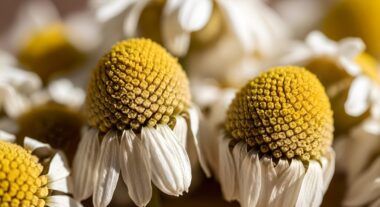
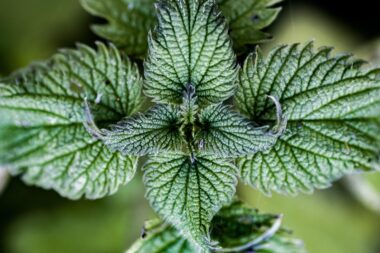
Integrating herbal nutrition into your daily routine can be both simple and rewarding. Start by experimenting with various herbal teas, incorporating items such as nettle, red clover, or chamomile, each known for contributing beneficial properties to hormonal health. Many grocery stores offer herbal tea blends specifically targeting stress relief, reproductive support, or overall wellness. Creating a ritual around preparing and enjoying these teas can enhance your mindfulness around hormonal care. Smoothies provide another excellent vehicle for incorporating nutrients and herbs. Adding maca powder or ashwagandha to your morning smoothie can yield energy while nurturing hormone levels. Monitoring your body’s responses while consuming these herbs will yield valuable insights into their effects on your overall health. Beyond beverages, consider utilizing herbs in culinary applications, from seasoning dishes to creating flavorful salads. Each approach contributes not only to hormonal well-being but also to overall enjoyment in the kitchen. A diverse combination of methods ensures that your journey into herbal nutrition doesn’t become monotonous. Continuous exploration opens avenues to discover new flavors and support your health through varied dietary practices.
It is crucial for individuals to recognize that while herbs can provide significant benefits, hormonal health is multifaceted, influenced by factors such as physical activity and stress management. Regular exercise enhances hormonal balance by regulating serotonin and endorphin levels, contributing to mood stability and well-being. With its benefits, exercise should be a priority alongside dietary choices. Finding activities you genuinely enjoy can make it easier to incorporate regular workouts into daily life, creating an environment of emotional and physical strength. Additionally, mindful practices such as yoga or meditation can further address stress, which in turn can positively affect hormone levels. As one prioritizes both physical fitness and nutritional choices, the synergy creates a comprehensive plan for holistic hormonal health. Being proactive in these areas fosters resilience, allowing individuals to manage their responses more effectively. The integration of herbs, exercise, and relaxation techniques can guide you on your journey toward better health. This emphasis on an integrated approach ultimately supports long-lasting effects on vitality, ultimately enhancing the pathways to holistic wellness.
Consulting Health Professionals
While embracing herbal nutrition can significantly contribute to hormonal health, it is essential to approach this practice with caution. Consulting healthcare professionals ensures that individuals understand their unique needs, as not every herb is suitable for everyone. Healthcare providers can guide the appropriate use of herbs and supplements based on individual health profiles and potential interactions with existing medications. This guidance is vital for those managing chronic health conditions or undergoing major life changes like pregnancy or menopause. Additionally, they can offer advice on test results and factors influencing hormonal states. A comprehensive health approach also includes evaluating lifestyle habits, stress levels, and overall well-being. As you make dietary changes incorporating herbs, keep an open line of communication with your healthcare provider. Engaging in regular check-ins and monitoring changes in health can help refine your approach for optimal results. When successfully integrated into a broader wellness strategy, herbal nutrition empowers individuals to nurture their hormonal health naturally and effectively. Ultimately, this collaborative effort fosters a partnership leading to healthier lifestyles and improved overall quality of life.
In conclusion, the nurturing connection between herbal nutrition and hormonal fitness highlights the importance of integrating specific herbs into everyday life. Herbs like ashwagandha and maca point to the growing interest in natural solutions for hormonal balancing. Individual journeys towards hormonal health involve a collection of approaches, including dietary choices, exercise, and self-care practices. Hence, combining herbal nutrition with these elements provides a holistic framework for well-being. Recognizing the traditional uses of these herbs illuminates the depth of knowledge passed down through generations. Furthermore, understanding the benefits of phytoestrogens showcases the potential of nature to support hormonal wellness. Experimenting with culinary practices offers a creative opportunity to explore these nutrients actively. Individualized approaches, guided by healthcare professionals, strengthen the support system needed for successful long-term wellness. This commitment fosters not only better hormonal health but also nourishes a stronger connection to self and the environment. Embracing herbal nutrition creates pathways toward achieving sustainable hormonal fitness and fosters an intentional lifestyle centered around health and vitality. The journey promises to be enriching, offering remarkable insights into personal well-being and emotional resilience.