
Incorporating Movement Breaks into Your Work Routine
In today’s fast-paced work environment, maintaining posture and ergonomics has become increasingly crucial for both physical health and productivity. Incorporating movement breaks into your daily routine can remarkably benefit your overall well-being. Scheduled breaks help reduce the risk of repetitive strain injuries caused by prolonged sitting. Standing up, stretching, or walking for just a few minutes every hour can enhance circulation and relieve muscle tension. Employers can support this by encouraging employees to take short, structured breaks regularly. One practical approach is to set a timer on computers or use apps designed to remind users to move. Additionally, providing a designated space for breaks encourages employees to step away from their desks, offering a mental reset. Workstations should be set up to promote movement, such as having adjustable desks or creating areas for stretching. As you plan your breaks, consider encouraging colleagues to exercise together, fostering camaraderie and making movement enjoyable. By making movement breaks a part of the workplace culture, organizations can nurture healthier, happier employees who are more engaged and productive while at work.
Another effective way to ensure that breaks are fruitful is to provide a well-structured routine. Experts recommend combining movement with mindfulness exercises during breaks to rejuvenate both the mind and body. This could include simple stretching routines or even guided breathing exercises. Simple stretches can alleviate tension held in the neck, shoulders, and back due to long hours of desk work. The ‘desk stretch’ is one such example that can work wonders. Furthermore, implementing group activities can promote a sense of community and make breaks more enjoyable. For instance, trying out quick yoga sessions or group walks around the office can encourage more team bonding. Movement breaks don’t have to be lengthy; even short 5-10 minute breaks can yield substantial benefits without taking away from productivity. Employers may also want to consider adding standing or walking meetings to their schedules, reducing the time spent sitting. Encouraging employees to maintain hydration during breaks through access to water stations can improve overall energy levels. Integrating movement into the workplace routine creates a dynamic atmosphere that fosters creativity and innovation, ultimately benefiting the entire organization.
Benefits of Movement Breaks
There are numerous benefits to incorporating movement breaks into your workday. First, taking regular breaks from sitting can reduce fatigue and increase focus, leading to enhanced productivity levels. Employees who integrate physical activity into their daily routines often report feeling more energized and motivated. Improved posture is another significant benefit derived from movement breaks, as frequent adjustments in position help reduce tension accumulated in muscles and joints. Moreover, taking movement breaks can lead to improved mood and mental clarity, as physical activity releases endorphins that combat stress and anxiety. Over time, these small changes can contribute to improved overall health. Additionally, workplaces that promote physical movement demonstrate a commitment to employee wellness, leading to higher job satisfaction rates. Regular movement can help with weight management, which adds another layer of benefit. Remember, the goal is to incorporate these breaks seamlessly into the daily rhythm of the workplace. By encouraging employees to recognize the importance of taking breaks seriously, organizations can create an environment supportive of mental and physical wellness, directly contributing to increased morale and lower absenteeism rates for employees.
Practical Tips for Implementation
To effectively integrate movement breaks into your work routine, consider several practical strategies. Start by designating specific break times throughout the day, allowing employees to plan their schedules around these breaks. Emphasizing the importance of these breaks during team meetings can help reinforce their significance. Encouraging employees to step away from their desks provides a psychological cue that contributes to healthy work habits. Organizations may introduce workplace challenges centered around movement, gamifying the experience and making it enjoyable. For example, health challenges that require teams to complete physical tasks can foster friendly competition. Providing resources, such as easy access to fitness equipment, like resistance bands or yoga mats, can encourage spontaneous movement. Moreover, organizations can also host wellness workshops discussing the importance of posture, movement, and ergonomics in the workplace. Creating incentives for employees who actively participate in movement initiatives can boost engagement. Finally, utilize technology by promoting apps or websites that encourage movement reminders. Supporting employees in establishing accountability can make them more likely to take movement breaks. All these strategies can significantly enhance the effectiveness of a movement-friendly workplace.
Beyond structured breaks, there are also many creative ways to encourage movement during the workday. For instance, consider implementing ‘walking desks’ or ‘standing pods’ in your office to facilitate flexibility. These alternatives allow employees to alternate between sitting, standing, or walking throughout the day. Additionally, organizations can support active commuting by providing facilities for cyclists or runners, such as bike racks or showers. Host regular team outings, such as hikes or sports days, to foster camaraderie while promoting physical activity. Communicating the benefits of staying active at work can inspire colleagues to join in and motivate each other. Consider introducing a buddy system where employees can encourage each other to take breaks together. Peer involvement is often a strong motivator. Moreover, providing flexible work arrangements that allow for remote work can enable employees to incorporate their movement preferences naturally. When creating movement break policies, collect feedback from employees to ensure they feel included in the decision-making process. Adapting ideas based on employee input will foster a positive culture toward movement and lead to a healthier, more engaged workplace overall.
Conclusion
In summary, incorporating movement breaks into your work routine offers numerous benefits to both employers and employees. A well-structured approach ensures that breaks not only enhance physical health but also mental well-being and overall productivity. When organizations actively promote a culture of movement, they empower their workforce to take charge of their health. Employees should recognize that taking time away from the desk is not only acceptable but encouraged. The relationship between movement, posture, and productivity is undeniable; thus, implementing these practices can cultivate a friendlier and healthier work environment. Making movement enjoyable fosters a sense of community and teamwork, ultimately contributing to higher morale. By emphasizing wellness, companies can attract and retain top talent eager for a thriving workplace culture. Start today by setting realistic goals for movement breaks, gradually integrating them into your workplace routine. The changes may seem small initially, but the cumulative impact will profoundly affect employee satisfaction and productivity. It’s essential to measure progress over time, refining your approach based on what works best. Ultimately, prioritizing movement breaks leads to a sustainable workplace that values employee health, happiness, and success.
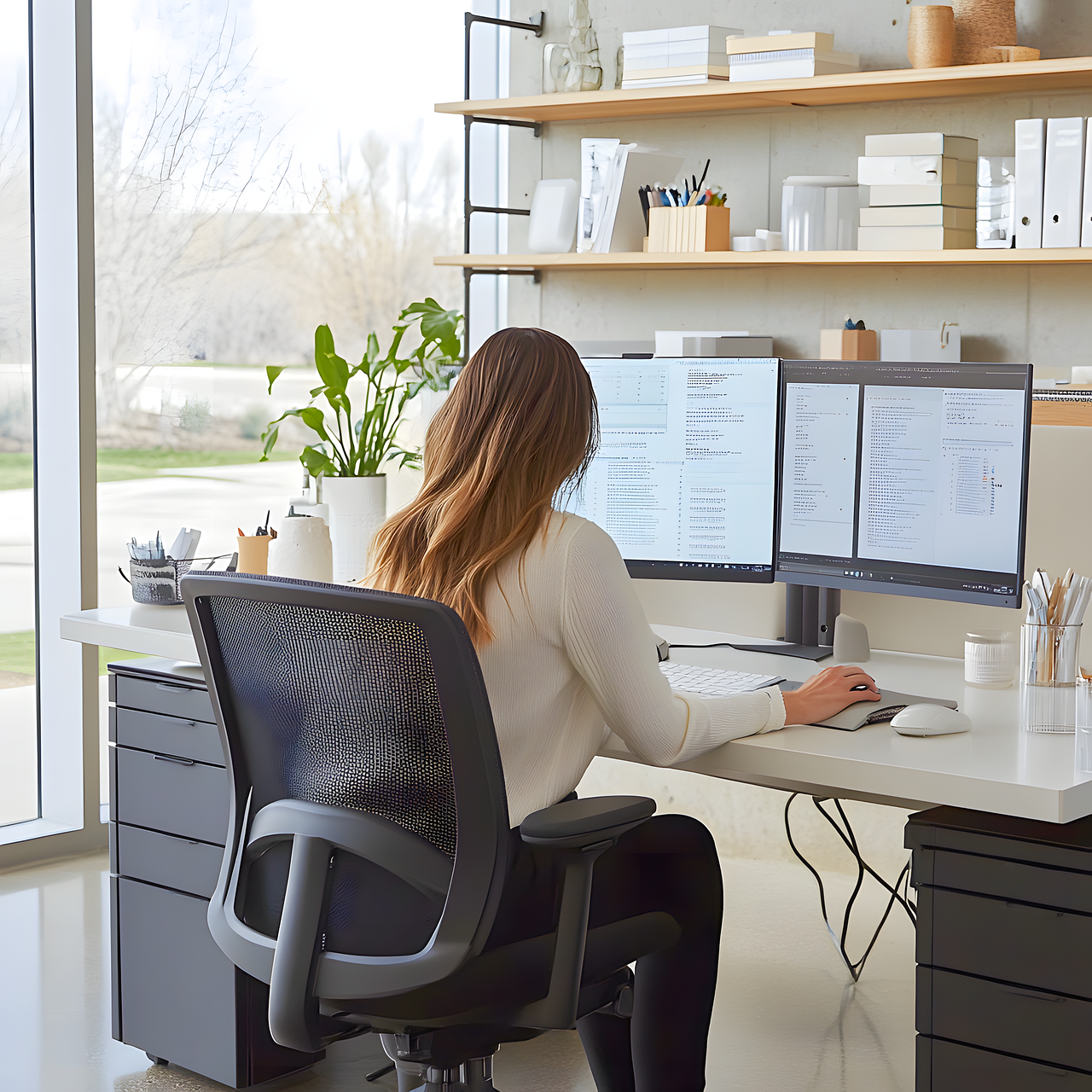
In conclusion, focusing specifically on ergonomic office setups can significantly enhance the effectiveness of these movement breaks. Ergonomic setups allow for adjustments tailored to individual needs, making it easier to maintain comfort during productivity sessions. The right chair, desk height, and equipment can prevent physical stress. By coupling a good ergonomic setup with regular movement breaks, employees can maximize their health benefits. This dual approach to workstations and movement not only increases comfort but also extends differentiation in employee performance over time. Nonetheless, fostering a workplace culture that prioritizes movement is equally crucial. Employees can encourage each other, reminding one another about breaks and collective well-being. Investing in ergonomic office setups creates an environment where movement naturally fits into daily routines, contributing to an overall healthier workplace. Furthermore, promoting regular training sessions about the importance of posture can ensure long-term benefits for employees. Together, ergonomic awareness and movement breaks can enhance job performance, employee retention, and satisfaction. Remember, a healthy workplace is a productive one. Striving to prioritize both movement and ergonomics cultivates a supportive organizational culture that prizes well-being and productivity as integral aspects of success and longevity at work.

In summary, establishing systems for regular movement breaks creates an inviting office atmosphere. Providing resources, fostering participation, and being supportive as a company can yield significant returns for overall employee performance. Companies that prioritize employee well-being through movement and ergonomics witness boosts in creativity and morale while reducing burnout and absenteeism rates. This comprehensive approach underscores how cultivating a supportive environment can drive long-term productivity. If every employee rotates their approach toward movement while complementing ergonomic setups, they will together contribute to a healthier workplace. A successful movement break initiative should aim for inclusivity, creativity, and flexibility. Remember to regularly evaluate effectiveness and gather feedback to fine-tune approaches. This iterative process ensures that adjustments resonate with employees and remain relevant. Utilizing innovative ideas from team members can lead to successful breakthroughs that elevate health and productivity. As the work culture evolves, prioritizing movement becomes essential for contemporary workplace success. Consider implementing these strategies today, as it may yield significant advantages for both short-term gains and long-term development. Investing in employee health is an investment in the organization’s future, presenting a bright path to success in a modern work environment.