
How Water Intake Affects Skin Moisture Levels
Hydration plays a crucial role in maintaining optimal skin health. Our skin is the largest organ of the body and reflects our overall well-being. When we drink enough water, it helps to keep our skin hydrated, thereby enhancing its elasticity and appearance. The moisture level of skin can be influenced significantly by our daily water intake. The skin requires a sufficient supply of water to maintain its moisture balance and protect itself from environmental factors. Not drinking enough water can lead to dehydration, which can cause the skin to become dry, itchy, and flaky. Additionally, hydration supports the skin’s barrier function, which prevents the loss of moisture over time. Research suggests that even minimal dehydration can noticeably affect skin texture and tone, making it appear dull. Consuming adequate amounts of nutritious foods, which contain high water content, alongside drinking water can further enhance skin health. Incorporating hydrating fruits and vegetables into your diet will complement your water intake for healthier skin, contributing to a radiant, youthful appearance that most people aspire for.
The Role of Water in Skin Functions
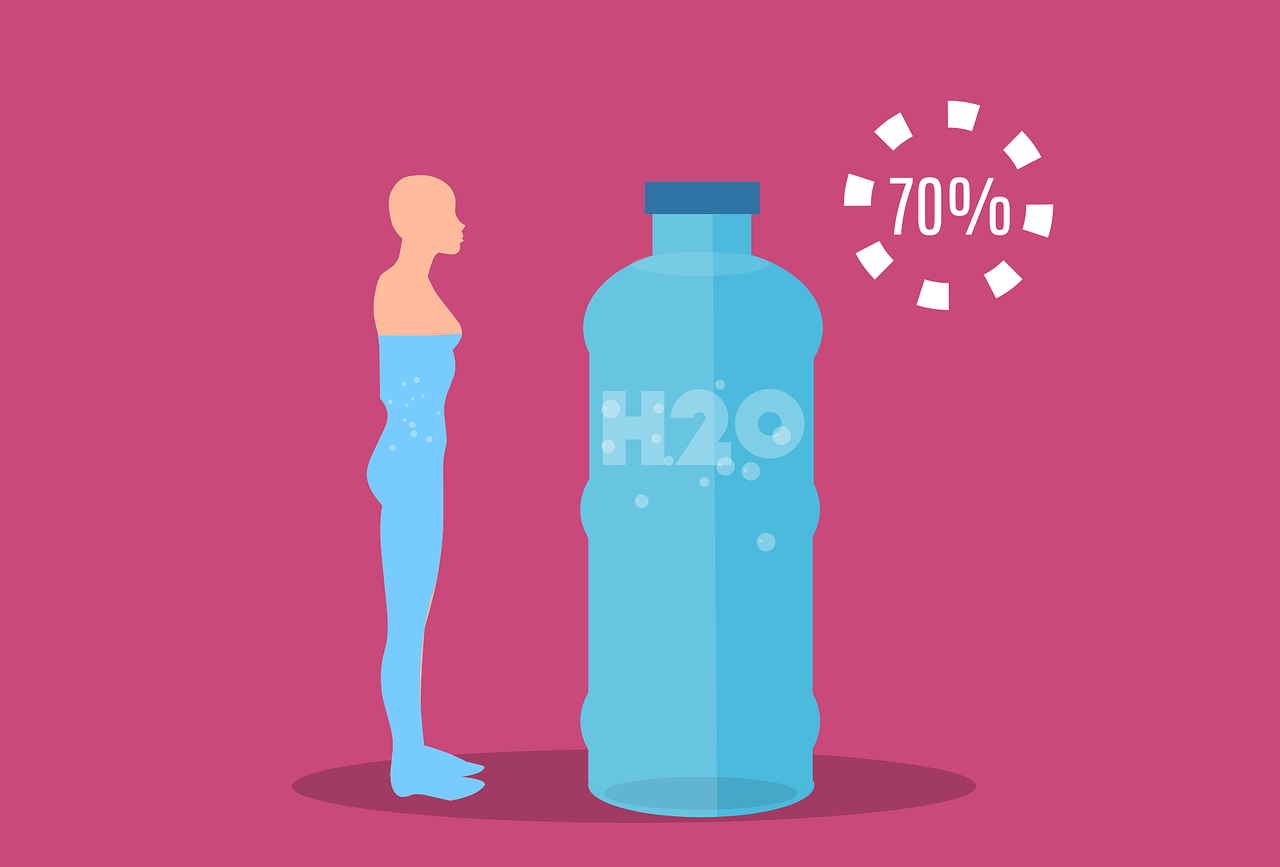
Water functions as a vital element, holding numerous roles in skin health maintenance. The dermis, which is the outermost layer of skin, is composed of about 70% water. This emphasizes how crucial hydration is for preserving the skin’s structure and function. Adequate hydration leads to better skin elasticity and flexibility. Thus, an increased intake of water can help prevent various skin conditions such as dryness and premature aging. Additionally, water helps to flush out toxins from the body, promoting clearer skin and reducing breakouts. The skin is bombarded by environmental stressors like UV radiation and pollution that can lead to inflammation. Staying well-hydrated can assist in reducing inflammation and redness, promoting an even skin tone. A hydrated body also supports the production of collagen, an essential protein responsible for skin firmness and smoothness. While topical moisturizers can aid in hydration, they work best when the body is properly hydrated. Therefore, drinking enough water consistently is an essential practice for maintaining vibrant and healthy skin.
Maintaining appropriate moisture levels is essential for preventing various skin ailments, including eczema and psoriasis. Drinking adequate amounts of water daily can significantly improve symptoms associated with these conditions. Dehydrated skin is more prone to develop inflammation and lesions, disrupting the skin barrier function and leading to further complications. When the skin lacks moisture, it becomes less effective at protecting against allergens and irritants. Water also contributes to the production of sebum, which helps to maintain the skin’s natural barrier and protects it from external aggressors. Moreover, the skin can better retain moisture when adequately hydrated, which minimizes rough patches and flaky skin. It is important to note that individual hydration needs vary based on factors such as age, activity level, and climate. Thus, listening to your body’s thirst cues and ensuring you meet your hydration goals with water-rich foods and beverages is essential for optimal skin health. Taking the extra step to improve your daily water intake can work wonders for your skin’s overall appearance, boosting your confidence and leaving your skin looking revitalized.
The Science Behind Water and Skin Hydration
Understand how hydration impacts skin at a cellular level is integral for appreciating the importance of water intake. When the body is dehydrated, the skin cells lose their turgor pressure, leading to a lack of volume in skin layers. This can cause deep wrinkles, sagging skin, and a noticeably aged appearance. Water infiltrates skin cells, allowing them to swell and retain moisture. The osmotic pressure created by hydration allows nutrients to circulate through the skin, nourishing it effectively. Healthy skin cell turnover relies on proper hydration for optimal function. While genetics play a role in skin health, hydration can significantly influence the visible outcomes. Some studies have indicated that increased water consumption can increase skin moisture levels and improve skin elasticity. Furthermore, it can help with the healing of skin wounds and minimize scars by encouraging blood flow to the skin. Thus, maintaining hydration supports healthy cellular function, lending to a more youthful, illuminated complexion. Overall, prioritizing water intake is a relatively simple yet highly effective way to enhance skin vitality and appearances.
Incorporating hydration strategies into your daily routine can lead to noticeable improvements in skin health. First, aim to drink at least eight 8-ounce glasses of water a day, equivalent to the popular “8×8” rule. However, individual hydration needs may vary; consider factors like physical activity and climate in your assessment. To enhance daily water consumption, using resources like apps can help track your intake, making hydration a habitual part of your life. Another fantastic way to boost hydration is by consuming foods with high water content like cucumbers, melons, and oranges. Moreover, be mindful of caffeine and alcohol consumption because they can lead to increased dehydration. Using a water bottle that is convenient to carry can also promote more consistent water consumption throughout the day. Always keep water accessible to quench your thirst when needed. Lastly, pairing water with meals can improve eating habits and enhance overall hydration effectiveness. Noticeable improvements in skin condition can often be seen within a short time frame, encouraging a more hydrated lifestyle to enjoy a healthy, glowing complexion.
Hydration Tips for Healthy Skin
To maximize the benefits of hydration on your skin, consider additional practical tips to enhance your daily routine. Start by establishing a dedicated hydration schedule, reminding yourself to drink water at regular intervals throughout the day. Morning hydration can kick start your metabolism and skin rejuvenation. Infusing your water with fruits like lemon or berries can improve both flavor and provide additional vitamins. When engaging in physical exercise, increasing your water intake is essential to replenish what’s lost through sweat. It is best to drink water before, during, and after workouts for optimal hydration. Apply moisturizer while your skin is still damp, to lock in moisture effectively. Furthermore, using a facial mist throughout the day can provide an extra layer of hydration. Always remember that larger skin areas, such as hands and feet, also require adequate hydration. Lifestyle factors can contribute to skin health, so ensure that you are also eating a balanced diet filled with vitamins and nutrients that support skin quality. Combine these practices with consistent water intake to achieve the best possible skin outcomes.
Lastly, remember that maintaining skin hydration does not solely depend on drinking water but also involves various lifestyle choices. The skincare products you choose can significantly impact moisture levels. Invest in moisturizers containing hydrating ingredients such as hyaluronic acid, glycerin, and ceramides. Natural oils like jojoba and argan can also provide abundant moisture. Yet, enhancing internal hydration through water intake ensures that your skin receives comprehensive support. Regularly updating your skincare routine in conjunction with hydration practices can yield significant benefits over time. It is essential to adapt your routine in response to changing conditions such as seasonal variations. For example, winter contact can dry out the skin, and therefore, slightly increasing water intake during colder months is wise. Ultimately, prioritizing hydration in various aspects of your life will yield long-lasting results. When your skin is adequately hydrated, it can best function as a protective barrier while appearing healthy and supple. Taking care of your skin is a commitment, and every positive action adds up to a radiant, youthful appearance.
Achieving comprehensive skin health and moisture balance requires dedication. Starting your journey begins with recognizing the importance of hydration for your overall skin appearance. Evaluating daily water intake, setting hydration goals, and sticking to them can bring about positive changes in a short period. Maintaining skin health should not be regarded as an isolated pursuit but as part of a collective approach to well-being. Simple changes such as including more hydrating foods in your diet can further support your hydration efforts. Transitioning to a lifestyle where hydration becomes a priority leads to healthier skin, more energy, and enhanced overall wellness. By understanding the role that water intake plays in enhancing skin moisture levels, you set yourself up for skincare success. Experiment with hydration techniques and tools to determine what best suits your preferences and daily routine. Creating a community around hydration incentives can even foster social support for achieving goals. Ultimately, your journey towards hydration and healthy skin supports not just beauty, but self-confidence and emotional well-being in its most fulfilling form.