
How to Design a Post-Workout Meal Plan Rich in Natural Antioxidants
After an intense workout, providing your body with the right nutrients is crucial for recovery. One essential component of post-workout nutrition is antioxidants, which help combat oxidative stress caused by muscle strain during exercise. Including a variety of antioxidant-rich foods ensures that your body has the necessary tools to repair muscle damage and reduce inflammation effectively. Consider incorporating foods such as berries, dark leafy greens, and nuts into your post-workout meal plan. These ingredients not only add flavor but also accelerate recovery. In this article, we will explore how to design a comprehensive post-workout meal plan that emphasizes natural antioxidants. Start by assessing your individual needs based on workout intensity. This guides portion sizes and food choices. Additionally, consider the timing of your nutrient intake to maximize overall benefits. Consuming food soon after exercise can enhance recovery rates and replenish energy stores efficiently. Let’s delve deeper into specific foods beneficial to your post-workout recovery.
The Importance of Antioxidants
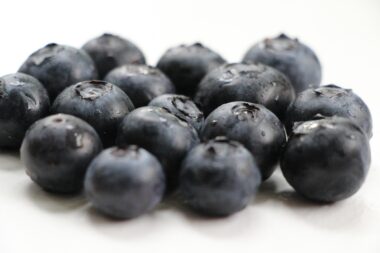
Antioxidants, found in various fruits, vegetables, and whole grains, play a pivotal role in enhancing recovery after workouts. When you exercise, your body produces free radicals, leading to oxidative stress and potential muscle damage. Antioxidants help neutralize these free radicals, thus protecting your cells from damage. Foods high in antioxidants include blueberries, spinach, and dark chocolate, which are all excellent choices for a post-workout meal. Ideally, it is essential to consume a mix of these foods to provide a range of antioxidants. Vitamins C and E, along with flavonoids, contribute significantly to muscle recovery. Incorporating foods rich in these vitamins can enhance healing and reduce soreness. Moreover, healthy fats, such as omega-3 fatty acids found in fish, avocados, and walnuts, also contain anti-inflammatory properties. This further aids recovery while your muscles are being repaired. Keeping these benefits in mind ensures you can maximize your workout gains and feel energised. In the next sections, we will outline an effective meal plan to include these antioxidant-rich foods.
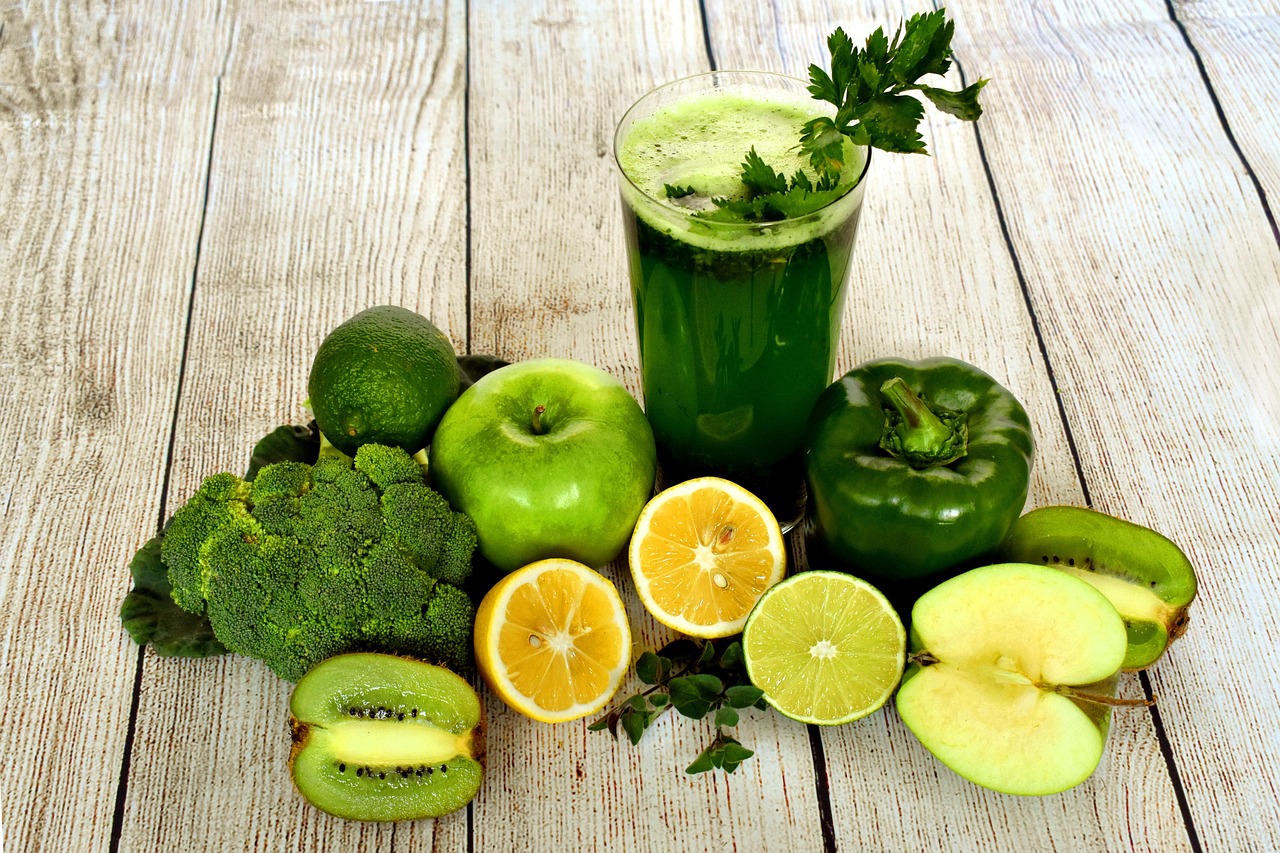
When planning your post-workout meal, balance is vital. Combine carbohydrates, proteins, and fats into one cohesive meal that promotes recovery. Carbohydrates are essential to replenish glycogen stores used during exercise, while protein aids muscle repair and growth. Antioxidant-rich fruits and vegetables provide the necessary vitamins and minerals to combat oxidative stress. A typical meal might incorporate grilled chicken or tofu, brown rice, and a side of steamed broccoli or roasted sweet potatoes. Topping this off with a handful of mixed berries creates a delicious, nutrient-dense meal. Smoothies can be a convenient option too. Blend spinach, banana, Greek yogurt, and protein powder with a splash of almond milk for an effortless antioxidant boost. Not only are smoothies easy to digest, but they also provide various nutrients needed for recovery in a single serving. Keep experimenting with different combinations to keep your palate excited while ensuring you’re reaping the health benefits. Remember, staying hydrated with water or natural electrolyte drinks complements your meal plan significantly.
Sample Meal Ideas
To curate a post-workout meal plan rich in antioxidants, consider these sample meal ideas. For breakfast, enjoy a bowl of oatmeal topped with sliced bananas, walnuts, and a drizzle of honey. This combination delivers complex carbohydrates, healthy fats, and essential antioxidants. Lunchtime can feature quinoa salad loaded with colorful vegetables such as bell peppers, tomatoes, and spinach, tossed in a lemon vinaigrette. For dinner, consider grilled salmon with a side of sautéed kale and sweet potatoes; the omega-3s and vibrant greens are excellent for recovery. Depending on your cravings, homemade smoothies, yogurt parfaits, and energy balls can serve as snacks. Each option can easily include a range of antioxidant-rich ingredients, supporting your recovery while keeping nutrition delicious. Adapt these meals according to your dietary preferences and portion sizes. You want to ensure you’re satisfied after eating without overwhelming your digestive system. Keep a variety of antioxidants at hand, so your recovering body has everything needed to bounce back strong.
Additionally, integrating spices and herbs can enhance the antioxidant profile of your meals. Turmeric, known for its anti-inflammatory properties, can be added to legumes and roasted vegetables. Cinnamon offers anti-inflammatory benefits as well and pairs well with many breakfast items or smoothie bowls. Implementing these ingredients into your dishes not only boosts flavor but also contributes essential antioxidants. Furthermore, encourage experimentation by trying different combinations until you find what works best for you. Be mindful of individual tolerances, especially as you recover from strenuous activity. Adjust meal sizes according to your training intensity and keep track of how your body responds. Meal prepping in advance can also help you stay committed, ensuring that you have readily available nutritious meals when needed. Remember to listen to your body’s hunger signals to determine when and what to eat. Ultimately, consistency in nutrition along with proper hydration will promote optimal recovery and performance over time. Incorporating small dietary changes can have significant long-term benefits.
Staying Hydrated
Hydration cannot be overlooked on your journey toward recovery. Water plays an essential role in transporting nutrients throughout your body, aiding digestion, and flushing out toxins. While you replenish lost electrolytes from sweating, consider also adding antioxidant-rich drinks to your routine. Green tea, for example, is loaded with polyphenols, providing antioxidant properties while hydrating your body. Coconut water is another excellent option, rich in electrolytes and natural sugars, making it ideal for post-exercise fueling. You can also create homemade antioxidant drinks by blending berries with water or herbal teas for refreshing recoveries. Staying well-hydrated ensures optimal kidney function, promoting efficient nutrient utilization. Additionally, notice how hydration affects your energy levels and overall recovery. Each individual’s needs can vary, so monitor your fluid intake regularly. Make hydration a regular part of your post-workout routine to enhance overall athletic performance. As you build your post-workout meal plan, consider your hydration alongside food intake, as both are crucial for optimal recovery and future training success.
In summary, designing a post-workout meal plan rich in natural antioxidants involves careful selection of foods aimed at promoting recovery. Incorporating a variety of fruits, vegetables, proteins, and healthy fats can offer a spectrum of nutrients essential for repairing muscle damage and combatting oxidative stress. Utilize vibrant ingredients filled with antioxidants, balance your meals with macro and micro-nutrients, and keep hydration in focus. By integrating the meal ideas and recommendations discussed earlier, you can create delicious meals that support your unique fitness journey. Monitor your body’s responses and adjust accordingly to find what works best for you. Continuously strive for improvement in your meal timing and selection. Stay informed and flexible with your meal plans for the best recovery results. Embrace healthy cooking as a way of caring for your body after workouts. With this approach, you’ll foster not only impressive athletic performance but also overall well-being.