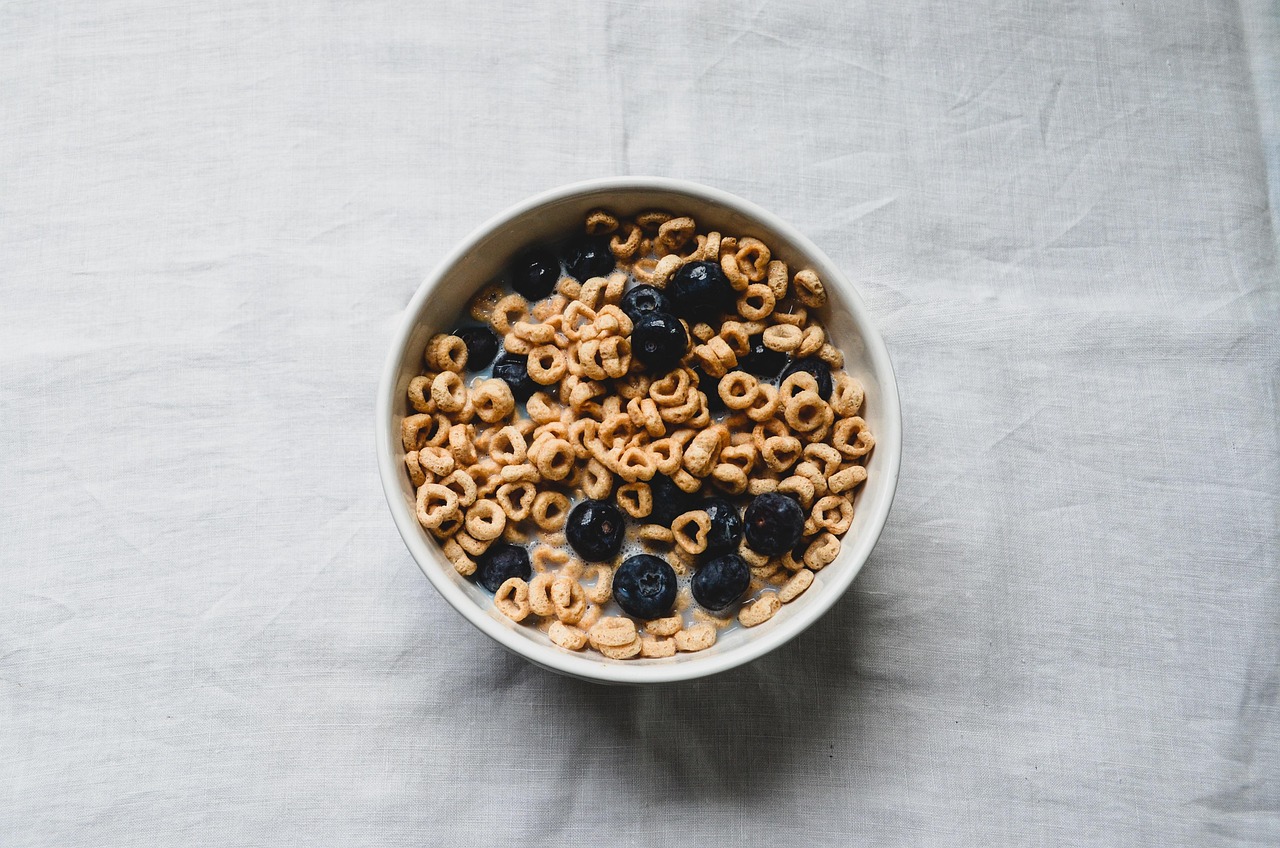

How to Choose the Best Breakfast Cereals for You
Breakfast cereals are often marketed as healthy and nutritious options to kick-start your day. However, many of these claims can be misleading, leading to confusion among consumers. A common myth is that all cereals are created equal. In reality, there can be significant differences in nutritional content. Some cereals are loaded with sugars and additives, which can be counterproductive. It’s crucial to read nutrition labels carefully when selecting breakfast cereals. Look for options with whole grains listed first, indicating that whole grains are the primary ingredient. Furthermore, pay attention to fiber content, aiming for at least three grams per serving, which can aid digestion and promote satiety. You should also consider the protein content in your cereal to ensure it keeps you full longer. Avoid cereals with more than ten grams of sugar per serving to prevent unnecessary calorie intake. By being informed about the true nutritional value of breakfast cereals, you can make choices that align with your health goals and dietary needs.
The second myth about breakfast cereals is that they are the quickest meal option. While it’s true that cereals can be prepared quickly, this convenience comes at a cost if the wrong choices are made. Many cereals marketed as ‘quick’ solutions are filled with sugars and low nutritional value, which can lead to energy crashes later on. Opting for whole grain varieties can seem time-consuming to prepare initially, but they offer a more sustainable source of energy throughout your morning. Incorporating fresh fruits, nuts, or seeds can enhance your breakfast and provide additional nutrients, making it a well-rounded meal. This approach adds fiber, healthy fats, and protein, further aiding in overall satiety. Therefore, exploring options that may take a little more time but are immensely beneficial for your health should be highly encouraged. When you take the extra time to prepare a balanced breakfast, you’ll find it’s more satisfying and less likely to lead to mid-morning snacking. In summary, don’t be fooled by misleading claims about cereals and their convenience.
Another prevalent myth is that all breakfast cereals are suitable for everyone. Individual dietary needs can vary significantly based on age, activity level, and health status. For example, those with gluten intolerance should avoid traditional wheat-based cereals and seek gluten-free alternatives. Additionally, people with diabetes need to focus on cereals that have a low glycemic index to maintain stable blood sugar levels. It’s crucial to choose uncooked cereals with minimal processing in their ingredients. When looking for cereals, check for options fortified with essential vitamins and minerals that are needed for optimal health. Certain brands cater specifically to different dietary requirements, emphasizing nutrition without compromising taste. Moreover, many people may believe that organic cereals are always healthier, but that’s not necessarily true; you should analyze the sugar content as well. In the end, consider your individual preferences and health considerations when selecting your breakfast cereals to ensure they serve your unique needs.
Understanding Ingredients in Breakfast Cereals
One significant aspect to consider while selecting breakfast cereals is understanding the list of ingredients used. Often, consumers may not realize that some cereals contain hidden sugars or unhealthy fats. Ingredients like high fructose corn syrup, hydrogenated oils, or artificial flavors should be red flags when examining nutritional labels. By educating yourself on food ingredients, you empower yourself to select options that genuinely promote health and wellness. A rule of thumb is to choose products with a shorter ingredients list that contains recognizable, whole food components. Cereals with nuts, seeds, and dried fruits can provide excellent nutrition while keeping added sugars in check. Additionally, consider plant-based options for milk alternatives that can double as part of your breakfast. Incorporating a variety of colors from fruits and grains in your chosen cereal can also help ensure you’re obtaining a wide range of nutrients. Ultimately, reviewing the ingredient list strengthens your ability to make health-conscious decisions regarding breakfast cereals.
A common misconception is that consuming cereal in the morning ensures you’re having a healthy breakfast. While it may seem convenient, many consumers fail to recognize that some cereals lack balanced nutrition. A well-balanced breakfast ideally contains a mix of carbohydrates, proteins, healthy fats, and fiber to provide sustained energy. Thus, relying solely on cereal may not always meet these nutritional needs. Pair cereals with protein-rich foods such as Greek yogurt or nut butter for a more satisfying meal. This combination can increase the overall nutritional profile and help to balance caloric intake. Also, incorporating fresh or frozen fruits into your cereal can enhance flavors and provide vital vitamins and minerals. When cereals are complemented with wholesome sides or toppings, they transform into heartier breakfasts. Furthermore, properly understanding these combinations can help you feel fuller longer and maintain energy throughout your busy day. It’s important to explore various options, ensuring breakfast remains a nourishing and energizing start.
Portion Control Matters
Many people underestimate the importance of portion control when it comes to breakfast cereals. The recommended serving size often appears in small print on the package, and most consumers tend to overlook it. Subsequently, it’s easy to consume more than the recommended serving, which leads to increased calorie intake and can derail healthy eating efforts. Utilizing a measuring cup or bowl can help you maintain portion sizes, ensuring you’re not having more than needed. Keep in mind that additional toppings, such as fruits and nuts, should also be factored into total consumption. To mitigate the risk of overeating, consider dividing the entire box of cereal into portion-controlled bags or containers, promoting better management for future breakfasts. Additionally, serve your cereal in smaller bowls to visually trick your brain into feeling satisfied with less. By practicing portion control, you’ll enjoy cereal as a delicious part of a balanced breakfast without overindulging. Remember that moderation is key to a healthy diet and lifestyle.
Finally, understanding your personal tastes and preferences can play a crucial role in selecting breakfast cereals. Just because a cereal is labeled as healthy does not mean it will be enjoyable for everyone. The key is to find cereals that fit your palate while still being nourishing. Taste should never be sacrificed for health, so it’s vital to make informed choices. Experimenting with various flavors and textures may lead you to discover options that you truly enjoy, combining health with satisfaction. Moreover, try to diversify your breakfast routine by rotating cereals every couple of days to prevent taste fatigue. Consider blending cereals to create your unique mix, combining those you love with healthier alternatives. Add cinnamon, nutmeg, or unsweetened cocoa powder for extra flavor without added sugar. Lastly, finding enjoyment in your breakfast choice is essential for long-term adherence to any healthy eating plan. Keep in mind that a satisfying and nutritious breakfast will set a positive tone for your day.