
How Kids’ Fitness Equipment Helps Develop Motor Skills
The development of motor skills in children is crucial for their overall physical development, and fitness equipment designed specifically for kids can play a significant role in this process. Such equipment encourages physical activity, which is essential for growing children. Engaging with fitness tools helps children learn to coordinate their movements and improve their balance and agility. Whether it’s through jumping ropes, balance beams, or small weights, each piece of equipment stimulates various motor skills that are fundamental in childhood development. As kids interact with different types of fitness equipment, they develop hand-eye coordination, strength, and flexibility. Moreover, promoting an active lifestyle at a young age instills healthy habits that are likely to continue into adulthood. Kids learn the importance of exercising, pacing themselves, and developing perseverance. They also gain confidence through successes they experience while using fitness tools, which is critical for their self-esteem. Therefore, introducing kids to appropriate fitness equipment is a proactive approach to fostering essential life skills and positive health outcomes from an early stage.
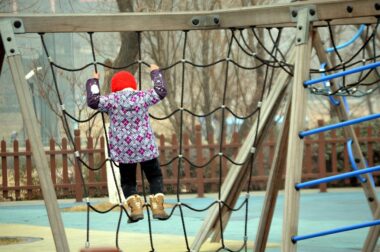
Building physical strength is an important aspect of childhood development, and kids’ fitness equipment is instrumental in this process. When children engage in exercises using age-appropriate tools, they begin to build muscles in a safe and enjoyable manner. Equipment such as resistance bands and lightweight dumbbells allows for strength-building exercises tailored for children. Additionally, climbing frames or jungle gyms contribute to developing upper body strength as kids climb, hang, and maneuver their bodies. Moreover, fitness equipment designed for kids usually focuses on fun, which keeps children engaged. With the incorporation of games and challenges using equipment, children are more likely to participate actively and enjoy the process. These fun activities not only build strength but also enhance teamwork and social skills when done in a group setting. Incorporating fitness equipment into a child’s routine also helps them develop a sense of routine and responsibility regarding their health and fitness. By enjoying these activities regularly, children can create a strong foundation for lifelong well-being where physical fitness becomes part of their identity. Embracing fitness at a young age makes the idea of staying active positive rather than a chore.
Coordination and Balance Development
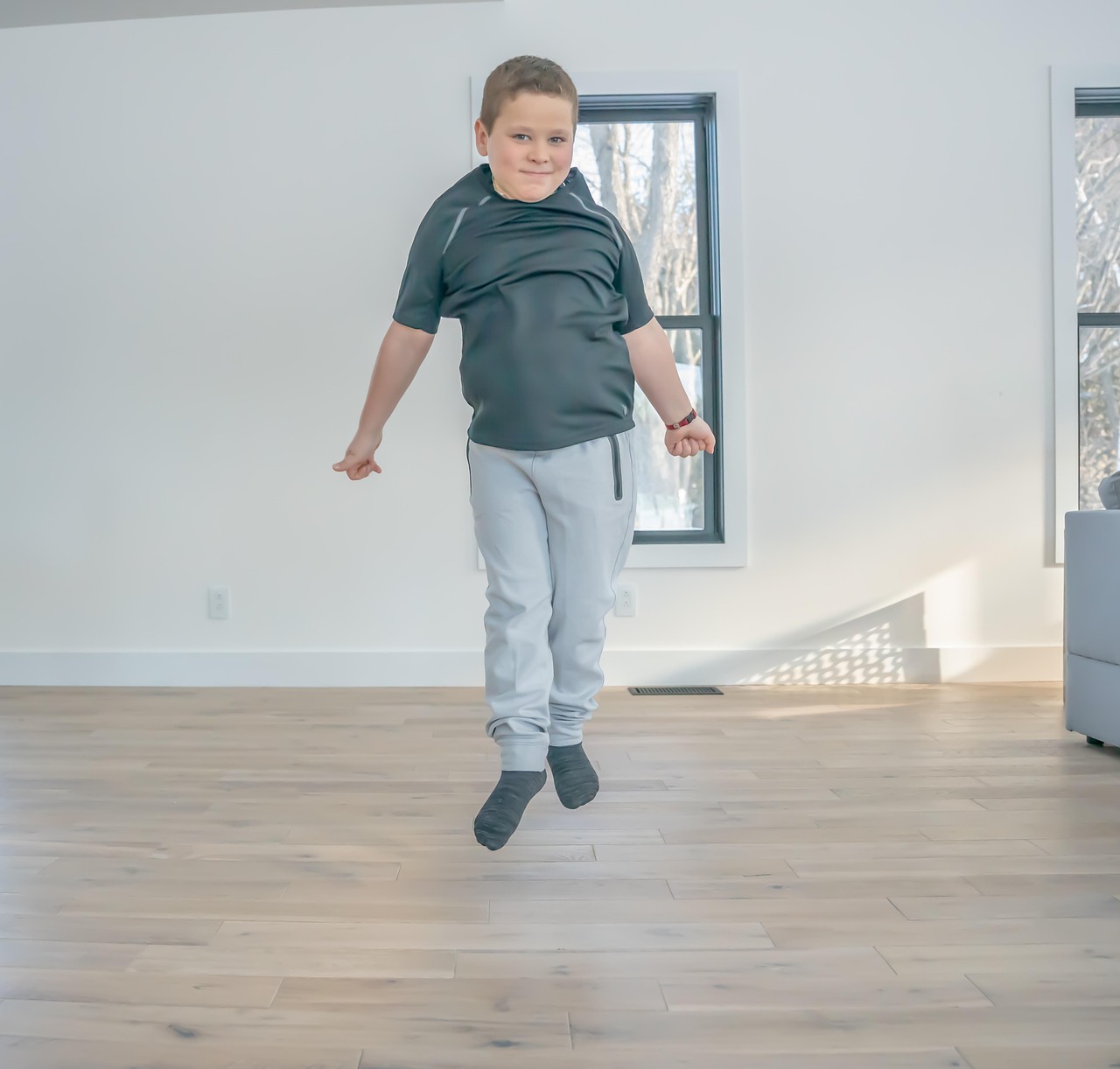
Coordination and balance are essential components of motor skill development, and properly designed kids’ fitness equipment can significantly enhance these abilities. Equipment like balance beams, hopping games, and obstacle courses provide children with excellent opportunities to challenge their coordination as they navigate different movements. When children practice walking on a balance beam, for instance, they develop core strength and stability that translates into better balance in everyday activities. Similarly, using equipment that requires jumping or throwing enhances coordination through hand-eye and foot-eye activities. Engaging in such physical activities also allows children to learn body awareness – knowing where their body is in space and how to manipulate it effectively. When kids learn to move their bodies in various ways, they develop flexibility, enhancing their physical capabilities. Incorporating fun fitness equipment into playtime promotes an enjoyable environment for children to explore their limits. These activities not only make fitness enjoyable but also create lasting memories associated with movement and play. By improving coordination and balance, children gain confidence in their physical abilities, laying the groundwork for future athletic endeavors and an active lifestyle.
In addition to enhancing coordination and balance, engaging with kids’ fitness equipment helps improve fine motor skills that are essential for everyday tasks. Fine motor skills involve the coordination between small muscles, which are crucial for activities such as writing, buttoning clothes, and even playing musical instruments. Fitness equipment like small balls, toy dumbbells, and even yoga mats can be harnessed to help develop these skills. Through exercises that involve gripping, throwing, and catching, children learn to control their movements more precisely. For instance, using small balls for throwing or tossing helps strengthen grip and dexterity while also being fun. Additionally, activities like climbing can enhance fine motor skills by allowing kids to grasp different grips and improve their hand and finger control. The more children practice these movements, the more proficient they become, leading to improved confidence in their everyday skills. Moreover, recognizing the importance of fine motor skills encourages children to aspire towards activities that foster these abilities, promoting a well-rounded approach to their physical and cognitive development. As they integrate fitness into playtime, they inherently work on numerous skills that contribute to their holistic growth.
The Role of Teamwork in Fitness
Another significant benefit of utilizing kids’ fitness equipment lies in fostering teamwork and social interaction through collaborative exercises. Many fitness tools are designed for multiple users, encouraging children to work together while having fun. Activities might include relay races with fitness balls or group exercises utilizing resistance bands, which necessitate communication and cooperation, essential teamwork skills. This aspect of fitness not only makes exercising enjoyable but also builds friendships and nurtures social skills through shared experiences. Children learn to support one another, understanding the importance of encouragement and motivation during physical activities. Such experiences help in creating bonds and trust among peers, which can positively impact their self-esteem, especially when they achieve goals together. Furthermore, as children engage in cooperative fitness exercises, they are likely to develop problem-solving abilities while navigating challenges as a group. Consequently, the fitness environment becomes not just about personal achievement, but about collectively enhancing skills, learning to strategize as a team, and celebrating success together. Consequently, kids cultivate a sense of belonging and community through fitness, solidifying the foundation for mutual respect and collaboration.
Cognitive development is another vital aspect nourished by kids’ fitness equipment. Engaging in physical activities not only promotes physical growth but also stimulates brain functions. When children exercise, their brains release endorphins, which enhance mood and cognitive functions. Activities that involve coordination, strategy, and teamwork tend to challenge children to think critically while increasing their focus and attention span. For instance, navigating an obstacle course involves thinking on their feet and making quick decisions. This instant feedback mechanism helps develop a growth mindset, encouraging kids to embrace challenges rather than shy away from them. Moreover, exercises that require counting repetitions or following patterns enhance mathematical skills alongside physical proficiency. Consequently, fitness equipment serves as a bridge connecting physical exercise to cognitive learning. It fosters problem-solving skills as children evaluate their performance and strategize improvements. This playful approach to learning promotes a fulfilling environment where kids can thrive both physically and mentally. The intertwined relationship between physical fitness and cognitive skills empowers children by enhancing their academic performance alongside developing essential motor skills, instilling a strong sense of achievement.
Health Benefits Beyond Motor Skills
Finally, the overall health benefits of using kids’ fitness equipment extend well beyond just developing motor skills. Regular use of fitness tools encourages children to maintain a healthy weight, combat the effects of sedentary behavior, and build cardiovascular endurance. Activities like cycling, jumping, or running using specific equipment cater to various fitness levels, making them accessible for all children. As kids develop healthier habits at a young age, they are less likely to face lifestyle-related health issues as they grow. Utilizing fitness equipment not only helps prevent obesity but also instills enduring habits of regular physical activity. Engaging in fun workouts promotes emotional well-being, reducing symptoms of anxiety and depression. It helps kids channel their energy positively and fosters resilience in facing challenges. By weaving physical activity into their daily routines through playful fitness, children nurture their overall wellness. Overall, fitness equipment represents a vital tool for enhancing a child’s growth journey, contributing to their physical, mental, and emotional development. Investing in high-quality equipment is a significant step towards ensuring children’s active and healthy future.
To conclude, the importance of kids’ fitness equipment in developing motor skills and overall health cannot be overstated. It plays a fundamental role in encouraging children to engage physically while enhancing coordination, balance, strength, and teamwork abilities. These aspects are crucial for their growth, providing a strong foundation for future fitness endeavors and active lifestyles. Children who regularly use fitness equipment are more likely to view exercise as enjoyable, leading to lifelong habits of physical activity. The equipment also serves as a learning tool, merging physical fitness with cognitive skills development, which underscores its multifaceted benefits. Moreover, when children exercise together, they build social skills and create relationships, reinforcing the necessity of teamwork. As they leave childhood, they carry the positive experiences and memories molded through their fitness journeys. Therefore, parents and educators should prioritize introducing kids to fun and engaging fitness equipment that cultivates these essential skills. By fostering an environment that values physical well-being, we empower the next generation towards healthier, happier lives. Fitness activities early on can lead to monumental changes in how children perceive their health and the importance of physical activity as they mature.