
Hamstring and Hip Flexor Stretches for Enhanced Mobility
Stretching is an essential aspect of any fitness routine, particularly for men who engage in weight training and high-intensity workouts. Proper stretching improves flexibility, enhances mobility, and reduces the risk of injury during physical activities. In this article, we will focus on hamstring and hip flexor stretches that are crucial for enhancing mobility. These areas are frequently tight due to various lifestyle factors, including prolonged sitting and high-intensity exercise. Targeting these muscles through dedicated stretching routines can relieve tightness, promote healthy movement patterns, and support athletic performance. Additionally, these stretches can help alleviate discomfort in everyday activities and reduce strain on the lower back, improving overall posture. Thus, incorporating specific stretches into your routine can lead to better athletic results and enhanced daily function. Let’s explore effective hamstring and hip flexor stretches that can easily fit into your home workout routine, providing you with added benefits and support during your fitness journey. Make sure you perform them with care and mindfulness, focusing on gradual improvements in flexibility and mobility.
Understanding Hamstring and Hip Flexor Anatomy
To comprehend the importance of stretching hamstrings and hip flexors, it is essential first to understand their anatomy and function. The hamstrings comprise three muscles located at the back of your thigh, primarily responsible for bending your knee and extending your hip. On the other hand, the hip flexors, which include the iliopsoas and rectus femoris, play a critical role in lifting the knee toward your torso and stabilizing your pelvis during movement. Both muscle groups can become shortened and tight, particularly in men who engage in repetitive high-intensity exercises and spend long periods sitting. Recognizing this tightness is crucial for implementing effective stretches to counteract it. This is where targeted stretching comes into play, allowing for increased range of motion in activities like running, cycling, and weightlifting. Additionally, improved flexibility can positively affect your overall performance metrics, such as speed and power output. Therefore, understanding how to carefully stretch these areas will provide you with the foundation for maximizing your physical potential.
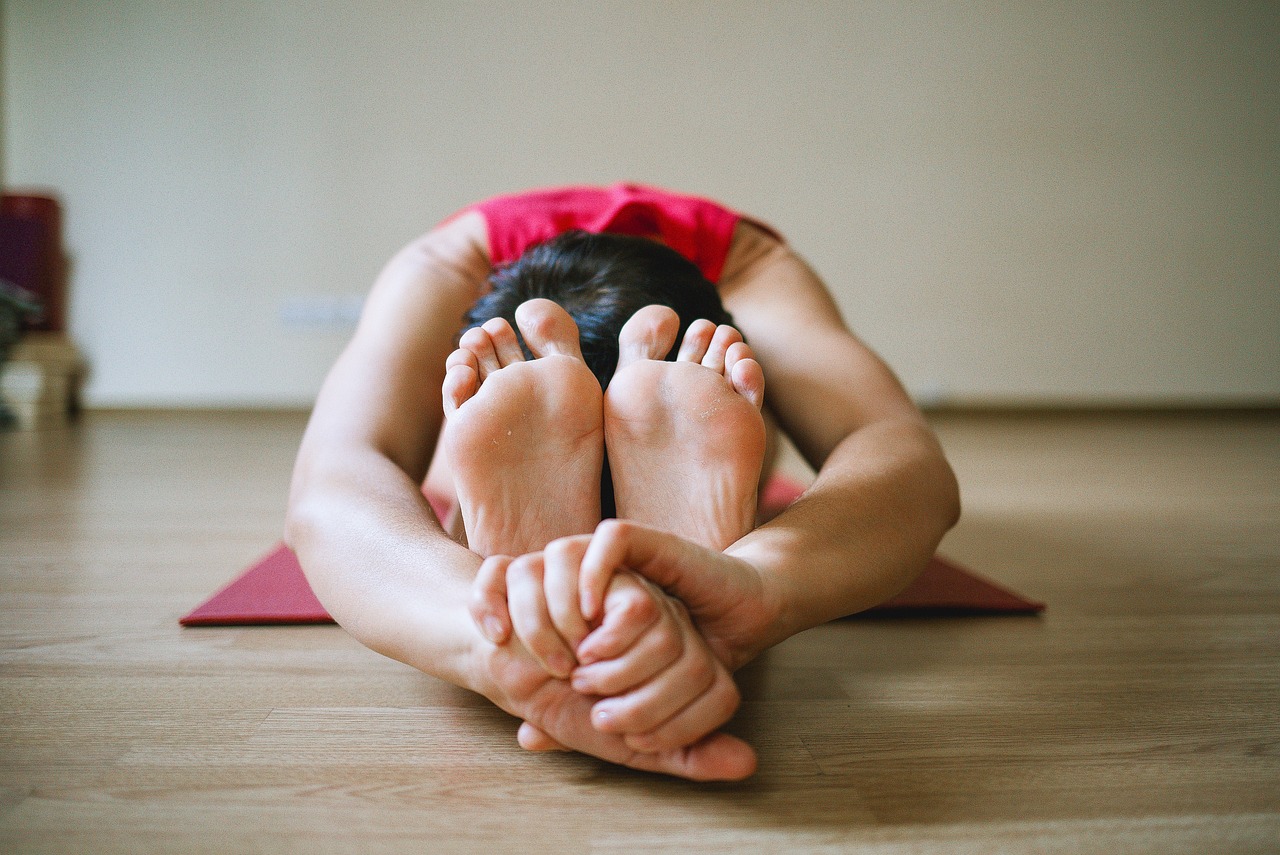
Now that we understand the importance of stretching these muscle groups, let’s delve into some specific hamstring stretches that can help improve your mobility. One effective stretch is the standing hamstring stretch. To perform this, stand upright and place one heel on a low surface such as a step, chair, or even your bed. Keep that leg straight while gently leaning forward from your hips, ensuring that your back remains flat to avoid undue stress. Hold this position for 20-30 seconds, feeling the stretch along the back of your thigh. It’s important to breathe deeply and focus on relaxing into the stretch for optimal benefit. Another effective technique is the seated hamstring stretch. Sit on the floor with your legs extended straight in front of you. Reach for your toes while keeping your knees straight to deepen the stretch. Again, maintain a flat back as you lean forward. Hold for 20-30 seconds and repeat on both sides for balancing the stretch. Regularly incorporating these hamstring stretches will significantly enhance flexibility and mobility over time.
Incorporating Hip Flexor Stretches
Just as with hamstring stretches, incorporating hip flexor stretches is vital for overall mobility. One popular stretch is the lunge stretch. Begin in a standing position, then step one leg forward into a lunge, ensuring your knee does not go beyond your toes. Lower your hips towards the ground until you feel a stretch in your hip flexors. Hold this position for 20-30 seconds before switching to the other leg. This stretch not only increases flexibility but also strengthens the glutes and legs. Additionally, another effective stretch is the butterfly stretch. Sit on the floor and bring the soles of your feet together, allowing your knees to drop out to the sides. Gently press down on your knees with your elbows for an added stretch in your inner thighs and hip flexors. Focus on holding this position for 30 seconds, breathing deeply as you relax. By incorporating these hip flexor stretches, you are investing in better functional movement, which carries over into both your workouts and daily activities, enhancing your overall fitness.
For both hamstring and hip flexor stretches, consistency is crucial. It’s recommended to dedicate time to stretch at least three times per week to see significant improvements. Stretching should be performed after workouts when your muscles are warm and more pliable. Make it a habit to integrate these stretching routines into your overall fitness program. Additionally, consider starting with gentle dynamic stretches before engaging in the static holds described earlier, which are more effective for increasing flexibility. Keeping a stretching log can also be helpful, as monitoring your progress can motivate you to stick to your routine. Remember that everyone’s flexibility levels vary, and it’s essential to listen to your body while respecting its limits. Progress may not be immediate, but gradual improvements result from consistent practice. Keep your movements slow and controlled, and never force a stretch beyond what feels comfortable. In time, you will notice increased range of motion and decreased risk of injuries as your muscles learn to adapt positively to these movements.
Benefits of Enhanced Mobility
The benefits of enhanced mobility through effective stretching routines extend far beyond improved flexibility. For example, enhanced mobility can lead to a better overall performance in athletics. When your knee and hip joints function optimally, the overall efficiency of your movements can surpass previous limitations. Greater mobility allows for deeper squats, longer strides, and more powerful actions in sports, which translates to significant performance improvements on the field and in the gym. Another benefit of increased mobility is the reduction of muscle soreness and tension. Stretching regularly helps release tension build-up after workouts, leading to faster recovery times. Additionally, a flexible body promotes better posture, reducing the strain on the lower back and improving overall alignment. As a result, daily tasks become easier, and physical activities require less effort. By integrating hamstring and hip flexor stretches into your routine, not only are you enhancing athletic performance, but you are also supporting long-term physical health. Furthermore, a commitment to mobility contributes positively to your mental well-being, as it fosters a sense of control and achievement in managing your body’s fitness.
In conclusion, effective stretching routines for hamstrings and hip flexors are integral components of a well-rounded fitness approach. By understanding the anatomy and the importance of these muscle groups, men can tailor their fitness routines to include targeted stretches that promote enhanced mobility and overall performance. Implementing simple stretches such as standing and seated hamstring stretches, as well as lunge and butterfly hip flexor stretches, can yield significant benefits when done consistently. Take note of how these stretching routines affect your workouts and daily activities, paying attention to improvements in posture, strength, and flexibility. This proactive approach to mobility can lead to a healthier lifestyle and prevent injuries down the line. Therefore, prioritize these stretches and promote an investment in your body’s fitness. Also, remember to consult with a fitness professional or physical therapist if you experience any pain or discomfort while performing these stretches, as they can provide valuable guidance. By committing yourself to this practice, you set a solid foundation for better athleticism and overall well-being.
Embarking on a fitness journey requires more than rigorous workouts; it necessitates balancing strength training with recovery techniques such as stretching. As your body engages in high-intensity activities, your muscle fibers can become tight and overworked, leading to a decrease in mobility and flexibility. Therefore, understanding the importance of stretching hamstrings and hip flexors is crucial for any man looking to maximize the benefits of his fitness regimen. Remember, increased mobility not only supports performance in the gym but also enhances functionality in daily life. For instance, simple stretches such as the standing hamstring stretch or the lunge stretch can seamlessly fit into pre- or post-workout routines. Additionally, encouraging resilience in these critical muscle groups will undoubtedly enhance your ability to perform at your best. Monitor your progress, and ensure your focus remains on mastering proper technique to achieve optimal results. Embrace the journey of improving your mobility, and over time, you will enjoy the fruits of your labor. This commitment will ultimately lead to a fitness lifestyle that values strength in conjunction with flexibility, resulting in an improved quality of life.