
Combating Air Pollution Effects with Effective Cleansing Breath Practices
Air pollution impacts health and wellness significantly, leading to numerous ailments, including respiratory problems. Incorporating cleansing breath techniques can play a vital role in combating these adverse effects. These techniques focus on purifying the lungs and optimizing oxygen intake. Regularly practicing cleansing breath techniques helps reduce the amount of pollutants inhaled and increases lung capacity. Furthermore, they provide a sense of calm and clarity amidst daily chaos. Techniques like diaphragmatic breathing can promote deeper inhalation and exhalation, essential for lung health. One method covers the use of conscious breath patterns to increase oxygen levels and remove toxins. In stressful environments, implementing a routine centered on cleansing breaths can alleviate anxiety associated with air quality. Integrating these techniques daily will allow individuals to adapt more effectively to polluted conditions. Additionally, mindfulness during breathing enhances its benefits, creating a holistic approach to personal wellness. It is important to practice these techniques in a clean, serene environment to maximize their effectiveness. Consider exploring guided sessions for beginner-friendly introductions to cleansing breath practices that suit your needs for optimal results and lasting health benefits.
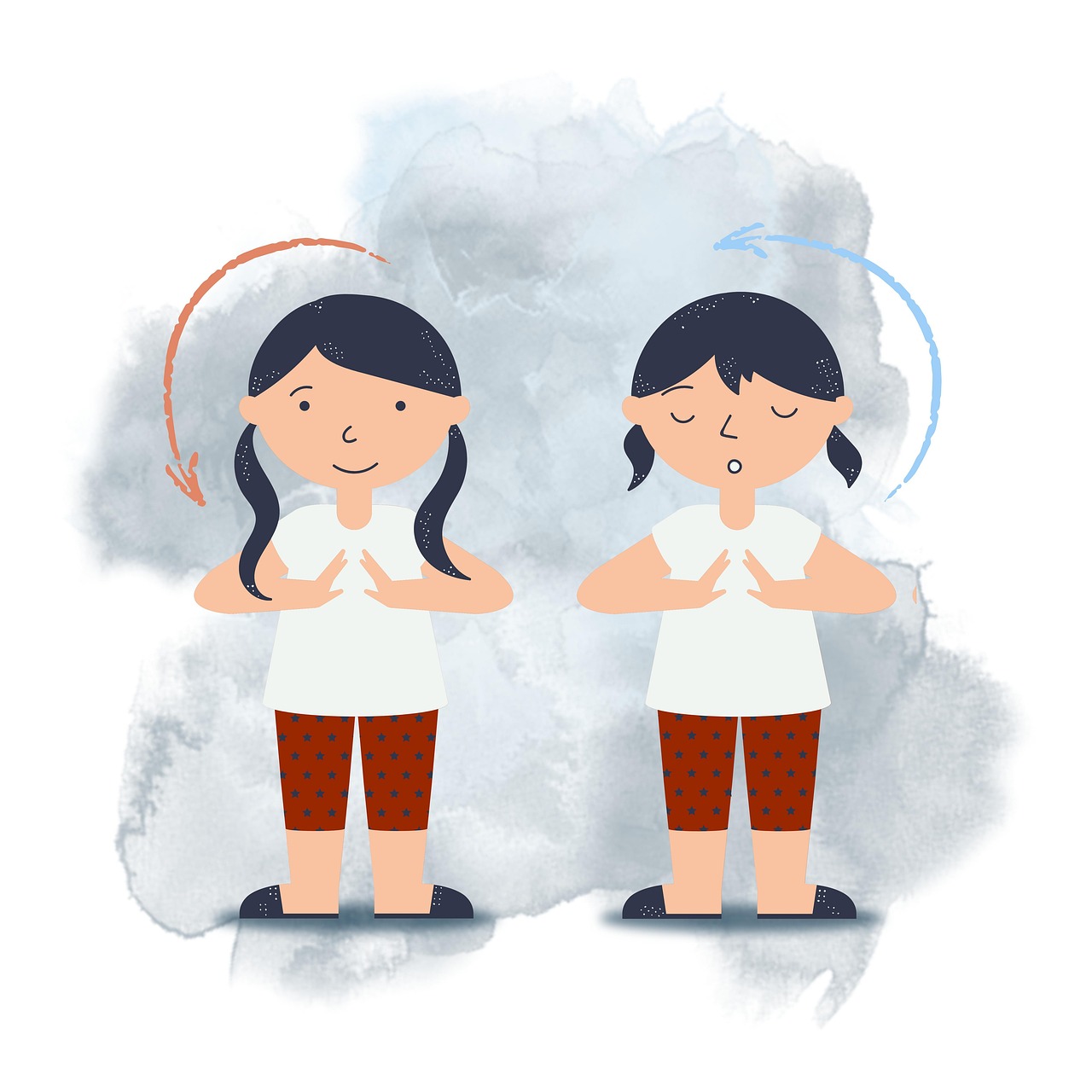
Clean air is becoming a luxury many can no longer afford, making the adoption of cleansing breath practices essential for everyone, especially in urban settings. Tension and anxiety can heighten due to constant exposure to pollution. Therefore, learning effective breathing techniques can help ease these feelings. Simple yet powerful breaths can significantly enhance lung function and boost overall well-being. Techniques are designed to flush out stagnant air from the lungs and replace it with fresh oxygen. Enhancing your environment, such as utilizing indoor plants, can complement cleansing breathing techniques effectively. Plants not only improve air quality but also create a peaceful atmosphere conducive to breath work. To achieve maximum benefits from cleansing breaths, individuals should maintain proper posture, allowing the diaphragm to function optimally. Breathing through the nose, followed by slow exhalation through pursed lips, is a method worth practicing. This helps control airflow and improves lung efficiency. Engaging in regular practice ensures that the body remains resilient against the harsh effects of air pollution. Breathing deeply from the abdomen allows the body to engage fully while supporting emotional health and resilience.
Key Cleansing Techniques for Better Lung Health
Several techniques can drastically improve lung health and combat the negative effects of air pollution. The first technique focuses on an abdominal breathing method, also known as diaphragmatic breathing. This method encourages the diaphragm to engage fully, promoting deeper inhalations that allow the lungs to expand. As you inhale, fill your belly with air rather than your chest. This simple shift enhances lung efficiency, allowing more oxygen to reach your bloodstream. Another effective practice is the “4-7-8 breath” technique. To execute this method, inhale through your nose for a count of four, hold your breath for a count of seven, and then exhale through your mouth for a count of eight. This paced breathing not only calms the nervous system but also stimulates the body’s cleansing functions. In addition, alternate nostril breathing is an effective technique that balances energy levels while purging toxins. Simply close one nostril while breathing in through the other; alternate sides. Implementing these cleansing techniques will aid in restoring lung vitality and allow for better overall health and performance.
Breathing techniques can help optimize the body’s natural ability to detoxify itself, especially when faced with continuous air pollution. Cleansing breaths maximize the expulsion of carbon dioxide while increasing oxygen flow, which is critical for maintaining health. Moreover, establishing a communal practice can enhance motivation among individuals striving to improve their respiratory function. Group sessions lend support and a sense of community, which can facilitate a more consistent practice. Learning from a trained instructor can significantly improve technique and outcome, ensuring that practices are performed correctly and safely. Gentle routines can make breathing easier and more enjoyable while fostering a nurturing environment. Setting a regular schedule for these practices can help solidify them as essential daily habits. Morning is often seen as the best time to practice, as it prepares the body for the day ahead. Conversely, practicing in the evening can promote relaxation and a better quality of sleep. Emphasizing consistency ensures full advantages from cleansing breath techniques while also creating a sanctuary from external stresses. Each practice session brings a unique set of benefits, tailored to needs and reflections.
Adapting Cleansing Breathing Techniques to Daily Routines
Integrating cleansing breath practices into everyday life may seem challenging, but with commitment, it can be accomplished. Start small by setting aside just a few minutes each day to focus on your breathing. Pair your practice with already established habits, like morning coffee or stretching, to create a seamless routine. When washing your hands, take a moment to engage in some deep breathing exercises, inhaling and exhaling slowly and mindfully. Gradually increase the time dedicated to these practices as you grow more comfortable. Using reminder cues, such as sticky notes or phone alarms, can help you stay committed to your cleansing breath routine. Additionally, breathing apps provide helpful guidance and structure to bolster your discipline. Most importantly, remain patient with yourself. It can take time to adjust and experience the full benefits of these practices. Recognize that every effort towards better breathing counts, even on tough days. Engaging with a class or group can also provide motivation and engagement, leading to positive experiences. Always listen to your body and ensure that the techniques feel good and supportive throughout your journey.
For individuals in urban centers with high levels of air pollution, it’s crucial to remain proactive about lung health. Effective cleansing breath techniques offer a solution that empowers better health despite ongoing environmental challenges. Building a personal practice can significantly enhance one’s quality of life and combat symptoms associated with polluted air. A great way to engage with cleansing practices involves community outreach. Local workshops, seminars, and classes can provide valuable information on how to apply cleansing breath techniques effectively. Community support fosters collective well-being, which enhances personal motivation and accountability. Moreover, pairing these cleansing practices with conscious efforts to reduce pollution sources can yield lasting benefits, contributing to cleaner air overall. Choosing to advocate for cleaner environments encourages greater participation in those practices while focusing on personal responsibility. Balance is essential when combating pollution effects, so include healthy eating, hydration, and regular exercise in your lifestyle. The combined efforts toward native pollutants and supportive cleansing techniques create a powerful toolkit for better living in polluted environments. Going beyond individual awareness helps cultivate resilience and adaptability, ensuring well-being amidst challenging conditions.
Conclusion: A Brighter, Healthier Path
Ultimately, cleansing breath techniques serve as a valuable ally in the fight against air pollution effects. They offer individuals the means to improve their respiratory health while fostering mental clarity and emotional resilience. These techniques can contribute to overall wellness by reinvigorating tired lungs and promoting relaxation, which can be particularly comforting in stressful conditions. Embrace gentle practices tailored to personal needs, gradually uplifting well-being. Through dedication and consistent practice, the benefits of effective cleansing breaths will become evident. Staying informed about air quality indices, minimizing outdoor exposure during high pollution times, and supporting legislation for cleaner air will strengthen these efforts. The vital connection between breath and life emphasizes the importance of maintaining lung health through appropriate practices and awareness. Furthermore, respect for the environment plays a crucial role in ensuring not only personal health but also community wellness. Taking charge of breath work in daily routines reshapes perceptions about air quality management. Ultimately, every individual has the power to take action to improve their health and the environment. Thus, it’s essential to cultivate conscious choices that promote a healthier, brighter future.
By fostering clean breathing practices, individuals can lay the groundwork for improved overall health and sustainability. Regular cleansing breath exercises empower the body, helping it cope with unavoidable pollution while enhancing resilience. This creates a lifestyle that prioritizes lung wellness while providing essential strategies for managing respiratory health. Adapting practices to incorporate mindfulness encourages deeper connections to breath work. Trust in the ability to create positive change from consistent practices. Every effort invested towards maintaining lung health contributes to overcoming challenges presented by air pollution. In conclusion, individuals can reclaim their health against all odds through dedicated cleansing breath techniques. From embracing deep breathing to inspiring awareness in community initiatives, these practices can have a ripple effect on personal and collective health. Therefore, commit to enhancing breathing techniques as part of a nourishing and fulfilling life, ensuring empowered and resilient communities moving forward.