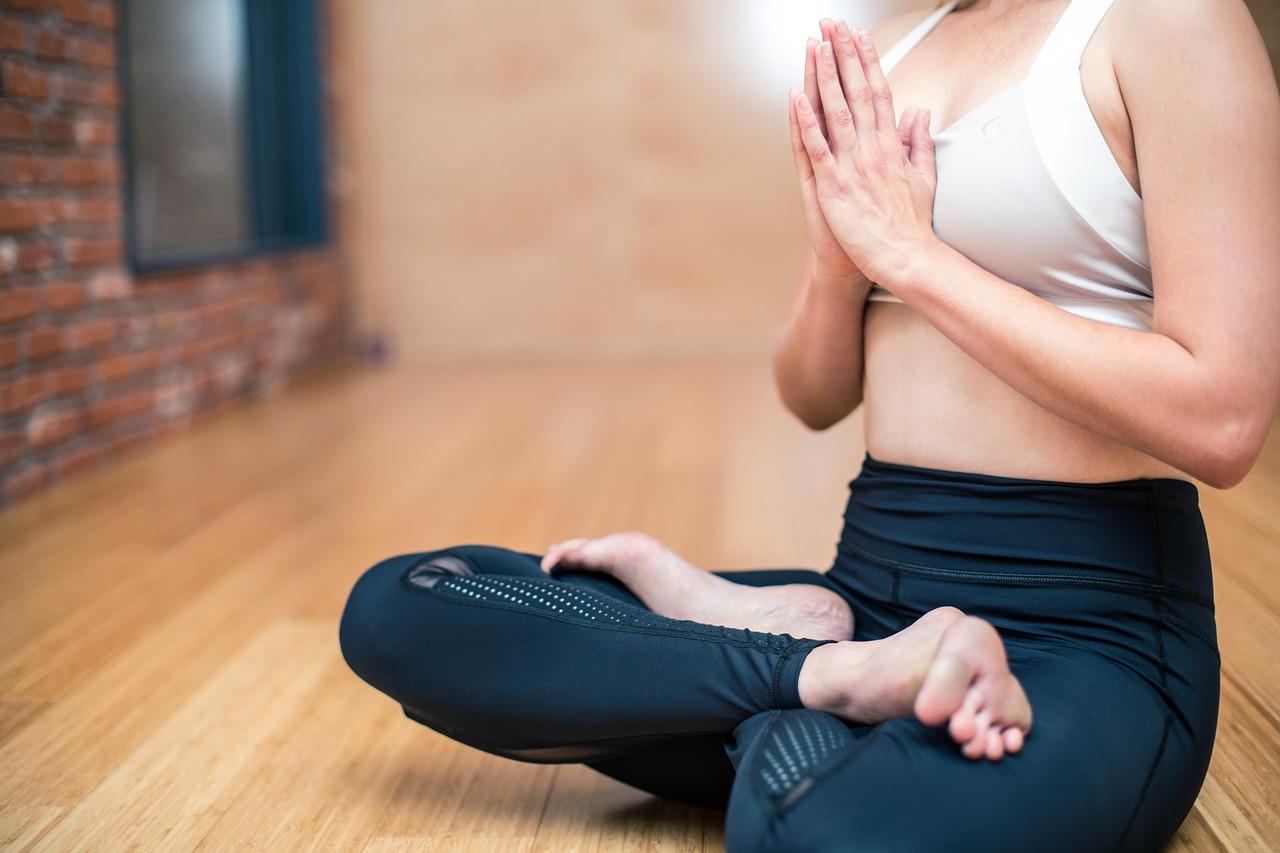

Mindfulness Meditation for Better Exercise Performance
Mindfulness meditation empowers individuals to enhance their exercise performance. By focusing on the present moment, practitioners can cultivate a level of awareness that improves physical capabilities. This practice can lead to increased endurance during workouts, enabling you to push through challenges. When engaging in physical activities, maintaining a mental clarity boosts not only performance but also motivation. Often, performance plateaus can be broken by implementing mindfulness techniques, allowing your body to respond better to physical stress. Consequently, integration of mindful breathing and meditation into your routine can result in remarkable performance outcomes. Individuals who practice mindfulness report greater enjoyment during workouts, fostering a positive relationship with exercise. This emotional connection can increase adherence to fitness goals over time. Meditation techniques allow for stress reduction, crucial for achieving peak performance levels. Consistent application of these techniques can translate into enhanced focus. Setting clear intentions alongside mindfulness practices motivates individuals to achieve personal bests. Remember that every small step contributes to larger goals. When mindset shifts to a positive, empowering state, exercise transitions from a chore into a fulfilling endeavor, paving the way for sustained motivation.
The Benefits of Mindfulness in Fitness
Using mindfulness techniques in fitness routines offers several significant advantages. First and foremost is improved mental clarity. When your mind is clear, exercising becomes more enjoyable. Engaging fully with the workout allows you to experience each movement, enhancing coordination and balance. Secondly, mindfulness helps to forge a deeper connection with the body. This connection allows an individual to listen to their body’s needs, reducing the risk of injury. Additionally, practicing mindfulness can enhance emotional resilience. This development can lead to a more positive workout experience, encouraging persistence even during strenuous sessions. Another notable benefit is improved stress management. When you manage stress effectively, your overall health flourishes. Participating in mindfulness meditation can help mitigate anxiety surrounding workouts or fitness goals. This reduction in anxiety further fosters motivation toward achieving fitness objectives. Furthermore, mindfulness can enhance motivation at profound levels. As a result, individuals often find themselves exercising more consistently, aligning with their long-term objectives. Ultimately, the incorporation of mindfulness into fitness practices allows for a more holistic approach. This method enables a strikingly rewarding integration of various components essential for overall fitness success.
To effectively incorporate mindfulness into your exercise routine, start small. Begin by allocating a few minutes at the beginning of your workout to set intentions and engage in deep breathing exercises. As you proceed with the exercises, continually tune into your body’s sensations. Monitor how each muscle feels during the activity, being mindful of any feelings of discomfort. Embrace these sensations without judgment and maintain focus on the present moment. Additionally, during rest breaks, take time to practice deep meditation, refocusing your thoughts. Allow your breath to synchronize with your movements, which can aid in achieving greater physical outcomes. Using a fitness tracker or journal can enhance mindfulness too, as reflecting on your performance can highlight patterns over time. Regular reflections allow for adjustments in your routine, tailored towards your evolving fitness journey. Experimenting with various mindfulness techniques enables you to discover what works best for you. Whether it’s guided meditations or simply a few moments of quiet reflection, find what resonates. Lastly, remember that dedication and consistency create lasting changes in your fitness journey, ultimately enriching your life.
Mindfulness Techniques for Enhanced Performance
Several mindfulness techniques can bolster exercise performance significantly. One effective method is visualization. This technique involves mentally rehearsing your workouts or specific exercises, enhancing focus throughout your training. Correctly visualizing techniques can lead to improved execution and confidence levels. Likewise, grounding techniques are essential; this requires focusing on your physical connection to the ground. Examples include feeling the weight of your feet while running or the grip of your hands on weights. Listening to motivational music can further enhance mindfulness; this approach allows the body to respond rhythmically, creating a flow state during exercises. Additionally, you might consider breath awareness as a core mindfulness practice. By directing attention to your breath, considerable performance improvements could manifest. Focusing on inhalation and exhalation creates a relaxed state. Furthermore, practicing gratitude reinforces positive affirmations about your body and fitness journey. Taking momentary pauses throughout your workouts to acknowledge progress promotes motivation. Utilizing these techniques not only improves performance but cultivates an enriched connection with your fitness journey, ensuring it remains enjoyable and rewarding regardless of challenges faced along the way.
Setting clear, achievable fitness goals is essential for long-term success. Mindfulness plays a pivotal role here, enabling individuals to reflect on personal aspirations. Establishing specific, measurable, attainable, relevant, and time-bound (SMART) goals can significantly enhance motivation. Each fitness journey should start with these academic constructs to ensure clarity. Mindfulness fosters clarity about individual desires and intentions, making it easier to set realistic objectives. Assessing previous experiences can provide insights that help shape effective goals. This reflection might inspire new challenges tailored to individual strengths. Additionally, cultivating a positive mindset is vital when facing fitness goals. Practicing self-compassion through mindfulness can enhance resilience, helping individuals bounce back from setbacks effectively. Celebrating small achievements along the journey maintains enthusiasm for continual progress. Regularly reassessing goals allows individuals to celebrate milestones achieved, nurturing intrinsic motivation. Incorporating brief mindfulness sessions dedicated to reviewing achievements can bolster this process further. Setting challenges, while remaining flexible, encompasses a healthy approach towards achieving fitness aspirations. Continuously adapting to feedback received from personal progress enables adjustments and maintains momentum toward reaching ambitious goals.
Overcoming Barriers to Mindfulness in Fitness
While integrating mindfulness into fitness routines is beneficial, barriers often arise. One common obstacle is the hectic lifestyle many people lead. Allocating time for mindfulness practices amidst busy days can feel overwhelming. Prioritizing self-care and scheduling dedicated time for mindfulness can help alleviate this barrier. Establishing a specific time for meditation alongside workouts fosters consistency. Moreover, distractions during workouts, such as loud environments or digital devices, can obstruct mindful engagement. Disabling notifications on electronic devices can significantly enhance focus and presence. Alternatively, selecting calming music can create a soothing atmosphere conducive to mindfulness. Another barrier could be skepticism regarding mindfulness’s effectiveness on performance. Having an open mind and researching credible sources can foster a better understanding of the benefits mindfulness brings. Additionally, cultivating accountability with a fitness buddy enhances motivation and supports one another in practicing mindfulness regularly. Joining classes or community sessions can offer guidance and inspiration as well. The journey toward integrating mindfulness in fitness is uniquely personal; thus, reaching out to others can make the practice fulfilling. Addressing these barriers head-on empowers individuals, ensuring a committed relationship with mindful fitness practices.
In conclusion, mindfulness is an incredibly powerful asset for improving fitness performance and achieving motivational goals. By cultivating awareness and presence, individuals empower themselves, making their fitness journey more fulfilling. Embracing techniques such as visualization, breath awareness, and goal-setting fosters deeper connections with one’s body and aspirations. Mindfulness aids in tackling barriers commonly faced during workouts and enhances motivation, resilience, and emotional well-being. As a result, individuals tend to gravitate toward consistency in their fitness routines. This consistent engagement ultimately leads to comprehensive improvements in physical capabilities. Over time, integrating mindfulness can transform the perception of exercise from a daunting task into a joyous experience. Each practice serves to reinforce positive affirmations about oneself, encouraging ongoing progress and commitment. Therefore, incorporating mindfulness into fitness routines isn’t merely a trend but a rewarding lifestyle choice. Those committed to enhancing their exercise performance will find profound benefits through consistent meditation and mindfulness practices. Make the conscious decision to take charge of your fitness journey today. Live in the moment, and recognize that your effort and dedication transform both body and mind along this fulfilling path.
For those looking to enhance their exercise performance, integrating mindfulness meditation into daily routines offers gratifying results. Research shows that individuals practicing mindfulness see improvements in not only physical performance but also mental clarity and emotional resilience. By fostering patience, flexibility, and focus, meditation transforms obstacles into opportunities for growth. Visualize your success, plan engaging workouts, and utilize grounding techniques to stay present, leading to optimal performance. Challenges arise, yet adopting a mindful approach helps individuals overcome them effectively while managing stress. Mindfulness helps with goal-setting and providing the motivation required to achieve them, reminding everyone that progress is a journey. Combining these techniques cultivates an enriching experience, setting the stage for new achievements in fitness. Thus, jiu-jitsu and yoga practitioners may benefit uniquely from mindfulness too. As people learn how to listen more to their bodies, they develop a newfound appreciation for movement. Exploring different mindfulness techniques leads to self-discovery, revealing personal pathways toward successful fitness goals. Always remember, fitness is not solely about the physical; it encompasses emotional strength too. Embracing mindfulness within your fitness journey can change perspectives and foster fulfillment.