
How Wearable Fitness Technology is Shaping Workout Trends
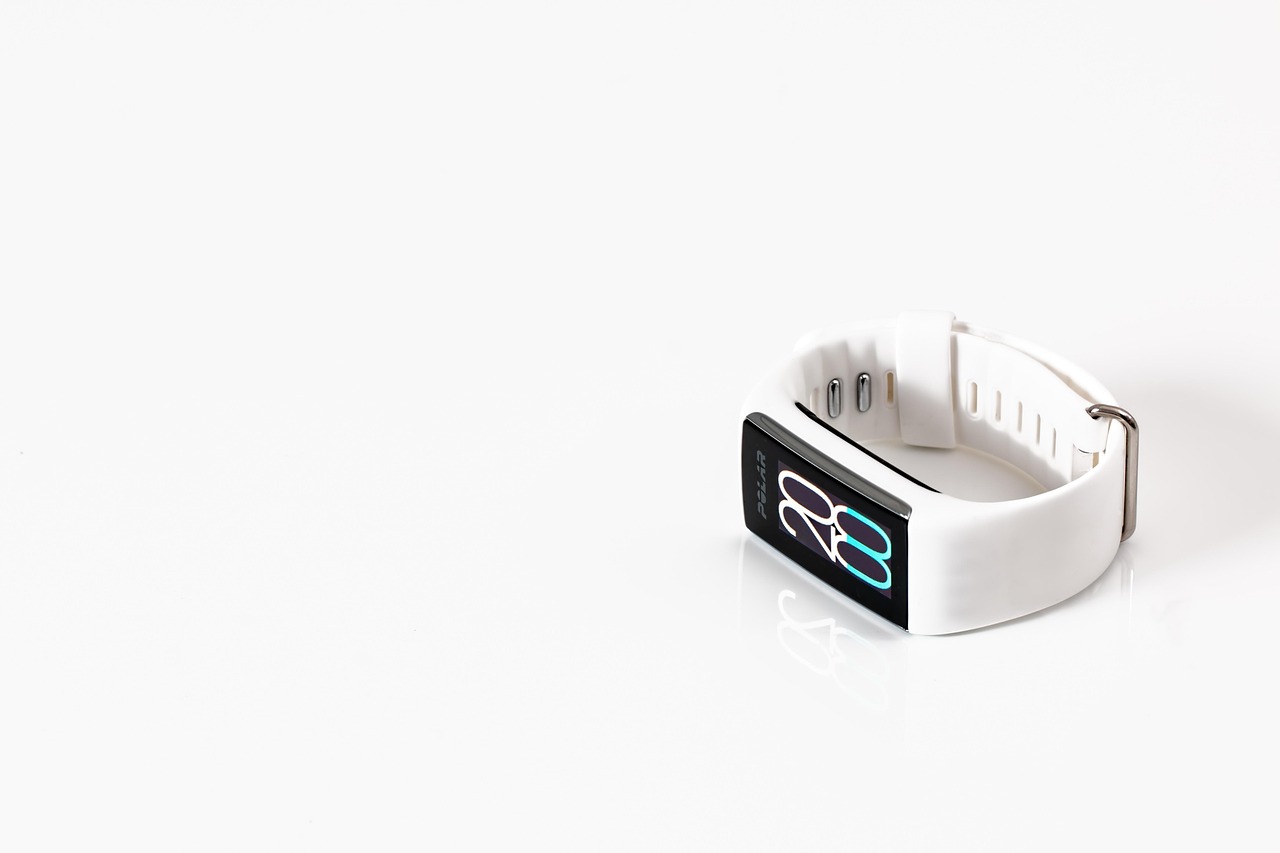
In recent years, wearable fitness devices have experienced significant growth in popularity among fitness enthusiasts and casual exercisers alike. These devices, such as smartwatches and fitness trackers, are designed to monitor and analyze various aspects of physical activity. This includes heart rate, calorie burn, step count, and even sleep patterns. The integration of advanced technology into fitness routines has not only revolutionized how people approach their workouts but has also made health data more accessible than ever before. This accessibility encourages users to take their fitness goals seriously by providing them with real-time updates and progress reports. Moreover, wearable fitness technology promotes accountability among users, as tracking their activity can foster a sense of commitment. Such engagement often leads individuals to push their limits further than they initially planned, ultimately resulting in more effective workouts. The smartphone app integration allows users to set specific objectives and receive personalized feedback, enhancing their experience and motivation. Thus, wearable fitness technology is reshaping workout trends, introducing new levels of engagement and focus to the fitness industry.
A major aspect contributing to the popularity of wearable fitness devices is the focus on data-driven decisions. Many individuals may be unaware of the impact of their daily habits on their overall health until they actively track them. For example, fitness trackers can provide insights into how many hours one spends being sedentary throughout the day. Coupled with prompts to move or participate in physical activities, these devices allow users to develop an understanding of their behaviors. Once users recognize patterns – both good and bad – they can make informed decisions to improve their health and well-being. Additionally, wearable devices gain user engagement by providing features beyond simple activity tracking. Integration of competitive elements, such as leaderboards or challenges among friends, turns exercising into a fun activity that encourages camaraderie. Many apps encourage users to engage in competitions, creating motivation that can be infectious. This social aspect of using wearables has emerged as a vital factor in contemporary workout approaches. Thus, the allure of friendly competition lights a fire in many to maintain a healthier lifestyle.
Personalized Fitness Insights
Another significant trend brought about by wearable fitness technology is personalized fitness insights tailored to the individual user. With the capability to collect and analyze extensive data, these devices offer users custom workout plans based on their unique fitness levels and goals. Through algorithms, they may assess users’ previous activities and suggest achievable yet challenging workouts. For instance, someone looking to improve cardiovascular health may receive tailored running plans that gradually increase in intensity. This ensures that users are not overwhelmed but instead see clear progress over time. Furthermore, wearables are equipped with feedback mechanisms that analyze how well users are performing during their workouts. By providing real-time stats such as heart rates or pace, users can modify their exercise intensity to optimize their performance and maximize health benefits. This personalized monitoring instills a sense of comfort and assurance that users are engaging in effective workouts suitable for their fitness journeys. Moreover, the adaptability of these plans fosters long-term commitment, allowing users to feel in control of their exercise programs.
The rise of social sharing among wearable fitness device users can also be attributed to the connected nature of today’s technological landscape. As individuals share their accomplishments on social media, others are inspired to join in or adopt healthier lifestyles. User-generated content has the power to shape trends and influence others, creating a ripple effect throughout communities. Fitness-related challenges and events often circulate online, prompting curious individuals to participate and test their limitations. Additionally, many wearable devices have built-in functionalities that allow users to easily share their progress with friends and family, creating a sense of community and collective accountability. This sharing culture can help foster ongoing motivation, especially when individuals receive support and encouragement from peers. This dynamic relationship between users promotes a positive cycle as friends push each other toward achieving weight loss or fitness milestones together. Furthermore, social engagement drives competition factors that can motivate users to improve continuously. As the fitness landscape transforms, sharing victories becomes a powerful trend influencing the way people view and approach their health.
Integration with Health Systems
In addition to their importance in personal fitness journeys, wearable devices are increasingly being integrated with larger health systems. This integration enables healthcare professionals to access patient data more readily. Providers can better monitor conditions like hypertension or diabetes remotely with real-time tracking of health metrics. This leads to more efficient patient care and timely interventions when necessary. Patients who utilize devices may feel more connected to their healthcare teams, encouraging open lines of communication regarding their health. Wearables provide consistent health insights, which allow medical practitioners to tailor treatments or recommendations based on objective data rather than anecdotal evidence. Such convergence between technology and healthcare demonstrates a blossoming relationship that benefits both users and providers. The inclusion of fitness tracking helps in preventive care, as early best practices can be implemented based on the data trends. Meanwhile, professionals can empower patients through education about healthy habits, further solidifying the importance of maintainable fitness practices. Overall, the merging of health and technology creates opportunities for more fruitful discussions about wellness and health trajectories.
As wearables continue to evolve, the market has witnessed the introduction of a range of innovative fitness products designed to cater to diverse needs. Smart clothing, augmented reality fitness experiences, and specialized equipment have emerged to enhance workouts and overall user satisfaction. Smart apparel can track performance metrics just like traditional wearables, providing seamless information directly from garments. On the other hand, augmented reality applications create an immersive fitness environment, allowing users to engage in more exciting and varied workouts. Platforms like these encourage users not only to enjoy their workouts but also to push through barriers that typically impede motivation. Moreover, product manufacturers strive to design devices that address specific fitness goals, whether they involve strength training, cardio, or recovery. This tailored approach enhances user experience and provides opportunities for every fitness level. Consequently, the ongoing innovation in wearable technology is shaping a more inclusive fitness landscape. As users gain insights into their personal performance, the motivation to exercise consistently becomes more attainable.
The Future of Wearable Technology in Fitness
Looking ahead, the future of wearable technology in fitness appears promising as advancements continue to emerge. From artificial intelligence integration to advanced biometric monitoring, users can anticipate further improvements in the capabilities of their devices. Innovations in these areas could provide deeper insights into a user’s health, predicting potential concerns before they arise. This capability could significantly alter not only how individuals approach fitness but how healthcare professionals provide care altogether. Furthermore, the ongoing development of wearable technology will likely result in even more diverse choices available to consumers. As competition within the industry grows, brands will focus on creating uniquely tailored devices that appeal to niche markets while fulfilling general fitness needs. Moreover, consumer feedback will influence product trends, prompting manufacturers to consider what users truly want from their devices. With ongoing technological progress, expect fitness wearables to become an integral part of the fitness experience, enhancing personal workouts, tracking longevity, and supporting critical health conversations. Ultimately, wearable technology stands to revolutionize not just how we exercise, but how we perceive overall wellness.
In conclusion, wearable fitness devices are shaping workout trends in profound ways, pushing individuals toward achieving their fitness objectives. The integration of advanced technology into health monitoring and fitness routines encourages users to take their health more seriously. They instill accountability through data tracking, ensuring that users stay committed to their goals. Personalized insights, social sharing, integration with healthcare systems, and product innovation further enhance the user experience and engagement levels within the fitness community. As these devices become more integrated into users’ lives, they will undoubtedly impact the fitness landscape in the years ahead. People will continue to seek ways to optimize workouts, health progress, and overall well-being through technology. The rise of wearables reflects the transformation of fitness into a more connected, interactive experience that empowers individuals. Moving forward, it’s essential for users to remain informed about emerging trends and developments within this dynamic landscape. By embracing these innovations, they can enhance their exercise routines while fostering healthier lifestyles. Hence, the future of fitness is intertwined closely with the wearable technology that continues to evolve.