
How to Read Supplement Labels: A Guide for Men’s Fitness Enthusiasts
Reading supplement labels is a crucial skill for anyone interested in fitness and nutrition. With countless products flooding the market, understanding what each label indicates can be overwhelming. Always start by examining the Nutrition Facts panel. This section provides vital information about serving size, calories, and key nutrients. Manufacturers often highlight ingredients with bold text, so you can easily identify them. Next, take a look at the ingredient list, which details everything included in the product. Ingredients are listed in descending order by weight, meaning the first few additives are present in higher amounts. Be wary of unsourced ingredients and do your own research to identify their effectiveness and potential health implications. It is also beneficial to check for any allergens that might affect you. Some products may include stimulants or other performance enhancers that might not be appropriate for all users. If you’re unsure about an ingredient, consult reputable sources or professionals in the field. Be an informed consumer, and select supplements that truly align with your fitness goals and nutritional needs for optimal results.
Another essential element to consider when reading supplement labels is the Daily Value (DV) percentages. This information helps gauge how a particular nutrient fits into your overall daily nutrition plan. The DV is based on a standard 2,000-calorie diet, which might not be applicable to everyone. Consequently, you should adjust based on your fitness goals, activity levels, and other personal factors. Keep in mind that some practitioners recommend specific ranges for vitamins and minerals, such as proteins, carbohydrates, and fats, tailored to men’s fitness needs. It’s wise to note that not all supplements need to meet 100% of your DV in each nutrient per serving. In fact, some specialized formulas are designed to provide higher doses of certain nutrients for specific outcomes. Always be cautious of excessive intake, especially with fat-soluble vitamins, which can accumulate in the body. Furthermore, balancing nutrients is crucial—too much of one may impact the absorption of another. By monitoring these values, you can make educated choices about supplementation that genuinely enhances your fitness journey and health.
Understanding Supplement Types
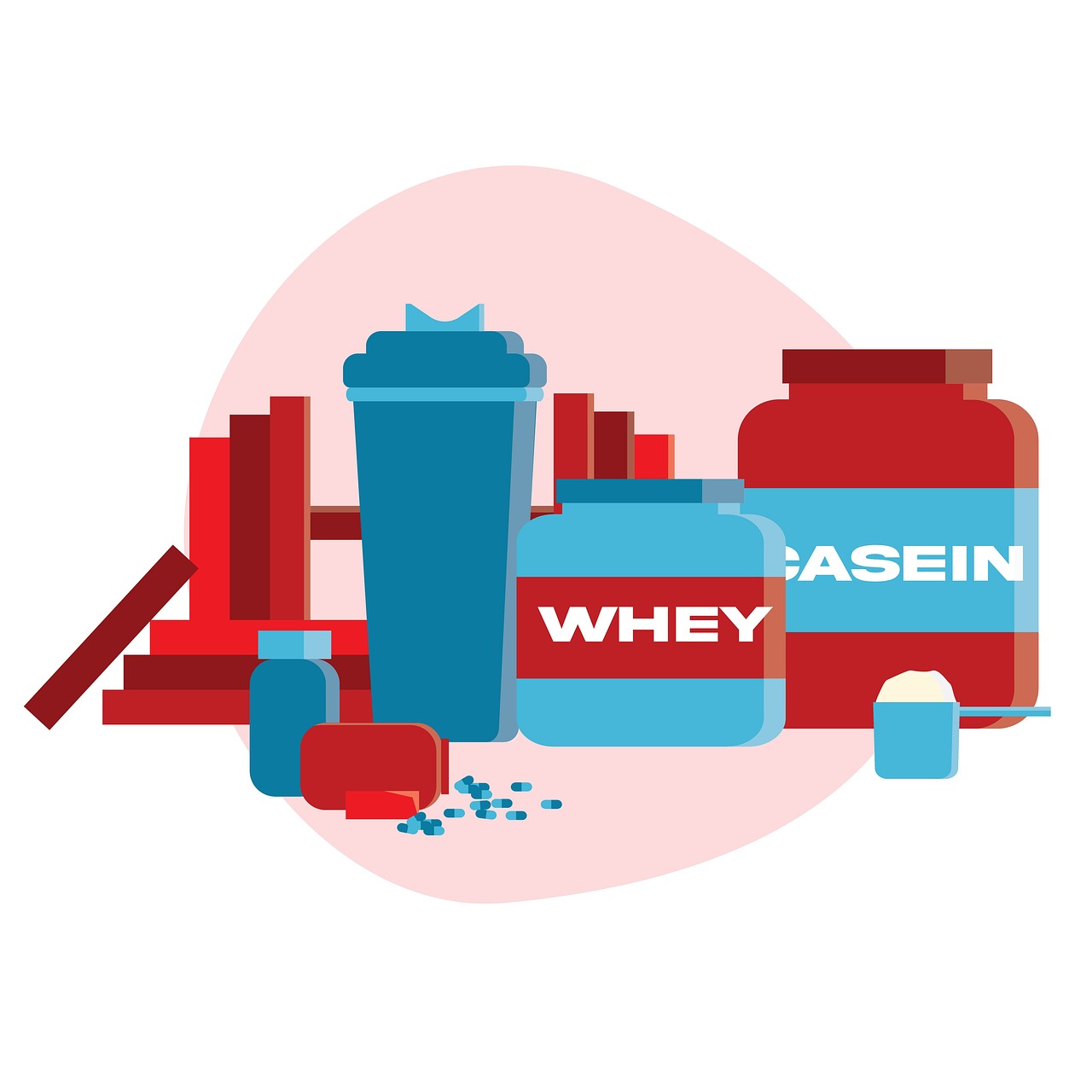
In addition to label comprehension, you should familiarize yourself with various supplement types available on the market. Common categories include proteins, vitamins, minerals, amino acids, and fat burners. Each category serves a distinct purpose and helps fulfill different fitness needs. For instance, protein supplements can help build muscle post-exercise, while vitamins and minerals are critical for overall health, energy production, and recovery. Understanding the specific role each supplement plays is crucial. This knowledge helps in selecting the one that suits individual fitness goals. For example, if you’re focusing on muscle gain, whey protein might be a beneficial choice, while if you’re looking to support joint health, glucosamine could be beneficial. Moreover, be wary of proprietary blends; sometimes manufacturers sneak in cheap additives or fillers that might undermine the supplement’s efficacy. Research the types of supplements that align with your unique fitness needs, consistently striving for quality over quantity to maximize benefits.
Apart from knowing the types of supplements, it’s also important to recognize common marketing terms often seen on labels, such as “natural,” “organic,” and “non-GMO.” Manufacturers frequently use these terms to position products favorable to consumers. However, understand that these descriptors may not always guarantee safety or efficacy. For example, a product labeled as “natural” could still contain synthetic additives that may not be beneficial. To ensure you are making optimal choices for your health, look out for third-party certifications signifying tested purity. Certifications such as NSF Certified for Sport or Informed-Sport can provide assurance that the product meets best practices in quality control. These endorsements add credibility and assure you the supplement is formulated without harmful contaminants. Staying informed about marketing tactics allows you to sift through claims and discover genuinely effective products that suit your fitness requirements. Selecting a supplement based on facts rather than fancy marketing can significantly enhance your outcomes.
The Role of Timing and Dosage
When reading supplement labels, timing and dosage are additional vital components to consider. The label typically specifies the recommended amount to be taken and how frequently to take it. For optimal results, adhere to these guidelines, as excess consumption can lead to adverse effects. For instance, protein powders are often most effective when consumed immediately post-workout, while others might be better absorbed at different times of the day. With supplements like creatine, timing relative to workouts can enhance muscle recovery and strength gains. Always remember to group your intake correctly. It is essential to maintain a daily supplement schedule to reap the rewards effectively. While it might seem that more is better, more often than not, less is more concerning supplementation. Overdoing it won’t amplify results and can lead to health risks. Thus, understanding your body’s specific needs and reactions to various supplements can further optimize their effectiveness and maintain your fitness regimen while adhering to safety guidelines.
Also, make it a habit to read customer reviews and testimonials. Many labels provide a website or QR code where you can find additional information about the product. These resources can offer insight into other users’ experiences with the supplement, shedding light on potential benefits and side effects. Engaging with communities, forums, or social media groups dedicated to fitness enthusiasts can also offer valuable snippets of advice while helping to filter through personal experiences. Request advice from seasoned professionals or trainers who may have tested these products themselves. Often, they can share factual information that transcends marketing hype. Consulting registered dietitians or nutritionists knowledgeable in sports nutrition can deliver tailored insights about supplementation based on individual health conditions and goals. In this way, proactive research can lead you to better choices and results, ensuring your supplement selections suit your body and performance aspirations.
Final Thoughts on Supplement Labels
In summary, dissecting supplement labels offers a pathway toward making informed choices in your fitness journey. Always prioritize knowledge over marketing buzz and scrutinize all information available on the label closely. With practice, understanding labels will become second nature, enriching your experience as a fitness enthusiast. Keep track of your body’s reactions to any supplements you introduce into your regimen. If you notice any negative effects, consult a healthcare professional immediately for advice. Staying educated about both beneficial and harmful ingredients helps protect your health while promoting fitness goals. The world of supplements can be a powerful addition to your training if approached with care and information. Utilize the supplement labels as one of your tools to make precise choices that ultimately favor your performance and wellbeing in the long run. As you progress in your fitness journey, the knowledge you amass about reading these labels can inspire others and significantly impact the nutritional choices made in the fitness community.
Finally, remember that no supplement can replace whole foods and balanced diets. Supplements are precisely that—supplements to enhance, not substitute, your nutritional intake. Prioritize whole food sources rich in vitamins, minerals, healthy fats, and proteins. Adopting this approach will complement the use of supplements, supporting overall health and performance. Take time to ponder the appropriate times to incorporate them into your regimen. Nevertheless, supplements can provide valuable support, and education will ensure your fitness efforts are successful. Integrating the knowledge acquired from reading supplement labels will lead you toward informed choices, paving your path in the world of fitness. Embrace a mindful approach to supplementation that prioritizes your wellbeing while seeking to amplify your results in the gym. Continue exploring, learning, and fine-tuning your supplement routine based on your specific health and fitness needs, ultimately paving your way toward a healthier lifestyle.