
Electrolyte Balance: Key to Reducing Keto Flu Symptoms
When embarking on a ketogenic or low-carb diet, many individuals experience what is commonly known as the “keto flu.” This temporary condition can manifest with symptoms such as headaches, fatigue, irritability, and nausea. Understanding and managing electrolyte balance is crucial for alleviating these distressing symptoms. The body undergoes significant changes in this diet, leading to shifts in how it processes and retains fluids and electrolytes. Essential electrolytes include sodium, potassium, and magnesium, all of which play vital roles in bodily functions. When shifting to a low-carb intake, the reduced insulin levels promote increased sodium excretion, resulting in a higher risk of electrolyte deficiencies. Therefore, it is essential to monitor and replenish these vital minerals to maintain harmony in the body. Enjoying bone broth, adding salt to meals strategically, and consuming low-carb vegetables can help restore these crucial electrolytes. Additionally, supplementation may be required for some individuals, especially during the initial adaptation phase. By prioritizing electrolyte balance, individuals can minimize the discomfort of keto flu and promote a smoother transition into ketosis.
Understanding the Importance of Electrolytes
Electrolytes are minerals that dissolve in bodily fluids, and they play critical roles in numerous physiological functions. They are essential for nerve signaling, muscle contractions, hydration, and maintaining a stable internal environment. The primary electrolytes include sodium, potassium, calcium, magnesium, chloride, bicarbonate, and phosphate. Within the context of a ketogenic diet, the rapid transition to a state of ketosis alters how the body functions with respect to these minerals. The body typically depletes its stores of glycogen in the liver and muscles, each gram of which binds to water. When these stores are emptied, a significant amount of water weight is lost, which can lead to dehydration and an imbalance of electrolytes. Therefore, ensuring sufficient intake of these minerals is paramount, especially in the beginning stages of the ketogenic diet. Many people find that addressing their electrolyte needs not only diminishes keto flu symptoms but also boosts energy levels and enhances overall wellbeing. Various low-carb foods are rich in these electrolytes, enabling individuals to maintain balance effectively and enjoy the benefits of their new dietary plan.
Sodium is one of the primary electrolytes that warrant attention during the keto flu phase. On a traditional high-carb diet, sodium intake is often comfortable due to processed foods, which can mask its requirement. However, when you cut carbs significantly, you will naturally reduce sodium intake, which can exacerbate keto flu symptoms. Sodium is crucial for maintaining blood volume and pressure, along with normal functioning of nerves and muscles. To boost sodium levels safely, consider adding more sea salt or Himalayan salt to your food, as well as consuming foods like pickles, olives, or broth. Ensuring adequate sodium levels can help alleviate headaches and fatigue experienced during the initial stages of a keto diet. Balancing sodium levels doesn’t only help with symptoms; it’s vital for maintaining hydration and preventing complications such as kidney stones or constipation. When starting a ketogenic diet, keeping track of sodium intake is essential, as it restores balance and can counteract the symptoms of keto flu effectively, setting the stage for a more successful transition into ketosis.
The Role of Potassium in Keto Flu Management
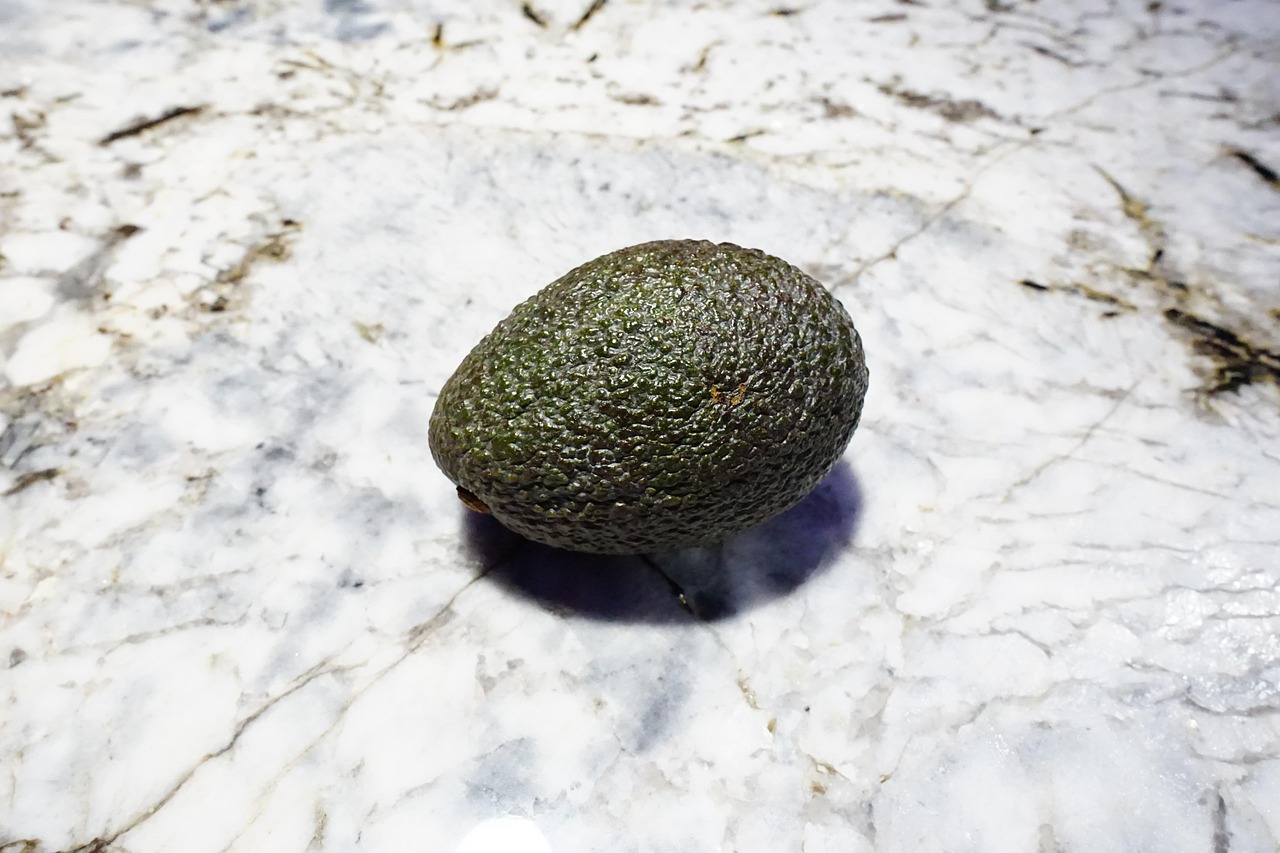
Another vital electrolyte that deserves attention in managing keto flu symptoms is potassium. This mineral plays a fundamental role in muscle function, nerve signals, and overall cellular health. On a ketogenic diet, many individuals may decrease their potassium intake inadvertently, resulting in increased susceptibility to symptoms like weakness, cramping, and fatigue. Foods rich in potassium include leafy greens, avocados, nuts, and seeds. Including these foods in your diet ensures your potassium levels remain ample, which is essential for sustaining energy levels. However, due to dietary restrictions and preferences, some may still find it challenging to meet their potassium needs sufficiently. Thus, there’s an option to consider supplementation in consultation with a healthcare professional. Monitoring your potassium levels can mitigate risks associated with deficiency, such as arrhythmias or muscle cramps. Utilizing potassium-rich low-carb foods effectively enhances your nutrient intake, ensuring that the transition into ketosis proves more manageable. By systematically addressing potassium intake, you lower your chances of encountering debilitating symptoms during the ketogenic adaptation period.
Magnesium is another critical electrolyte that supports various bodily functions and can greatly impact your experience on a ketogenic diet. This mineral contributes to muscle function, energy production, and cellular processes. Inadequate magnesium levels can lead to several uncomfortable symptoms, such as muscle cramps, fatigue, and irritability, often associated with the keto flu. Individuals on a ketogenic diet may find their magnesium intake lacking due to limited food choices, making it essential to seek out magnesium-rich, low-carb foods to help bridge the gap. Sources of magnesium include leafy greens like spinach, nuts, seeds, and dark chocolate, which offer health benefits beyond just magnesium intake. When incorporating these foods, be mindful of portion sizes to maintain ketosis effectively. For those who struggle to achieve adequate magnesium levels through diet alone, supplementation might prove beneficial. It’s advisable to speak with a healthcare provider to discuss appropriate dosages. Attention to magnesium can facilitate a smoother keto transition, ultimately diminishing the adverse effects experienced during keto flu, setting the foundation for long-term success.
Hydration: The Unsung Hero in Keto Flu
When addressing keto flu, proper hydration is often overlooked, yet it plays a vital role in supporting electrolyte balance. On a ketogenic diet, your body tends to lose more water due to decreased insulin levels, which can lead to dehydration. This loss not only contributes to the discomfort of keto flu symptoms but can also impair overall health. Drinking plenty of water should be a fundamental aspect of your ketogenic journey, enhancing your body’s ability to manage electrolyte levels. In addition to plain water, incorporating mineral-rich electrolyte drinks can provide much-needed hydration while also replenishing lost electrolytes. Options like coconut water or homemade electrolyte drinks with added salt can offer both hydration and taste. Individuals may also benefit from herbal teas, which can further help with hydration. Ensuring adequate fluid intake is paramount to stop the cycle of dehydration, which affects energy levels and overall wellbeing. By focusing on hydration strategies in conjunction with electrolyte management, you optimize your chances of a smoother transition to ketosis and sidestep the pitfalls of keto flu.
Ultimately, effective management of keto flu centers on a comprehensive approach to electrolyte balance and hydration. By understanding the requirements of key electrolytes such as sodium, potassium, and magnesium, individuals can better equip themselves to navigate the early days of a ketogenic diet. It’s essential to stay attuned to your body’s signals; if you experience symptoms that seem difficult to manage, take a pause and reassess your dietary intake. Adequate hydration and proper replenishment of electrolytes can not only soothe symptoms but also promote overall energy and wellness during this transition period. Remember that the keto flu is a brief phase, and focusing on these foundational elements will serve you well in the long term. Additionally, consider keeping a food journal to track your intake of electrolytes and fluids, as this can provide valuable insights into your body’s needs. Gradually, as your body adapts to a state of ketosis, these symptoms will fade, and you will soon reap the numerous rewards of this dietary approach, allowing you to enjoy the benefits of weight loss, increased energy, and enhanced mental clarity.
Finally, community support can also enhance the management of keto flu symptoms. Engaging with others who share similar dietary goals can provide reassurance and access to helpful tips and strategies. Online forums, social media groups, or local meetups related to low-carb and ketogenic lifestyles become invaluable resources during this phase. Sharing experiences and learning from one another can significantly alleviate the feelings of isolation often experienced by those adapting to a new eating pattern. Ensuring that you reach out to experienced keto dieters can also clarify typical symptoms and assist in setting realistic expectations during this journey. Being part of a community that celebrates your dedication can motivate you to stay on track and continue working towards your goals. In conclusion, by integrating electrolyte management with hydration and seeking communal support, you can effectively minimize the discomfort of keto flu, paving the way for a successful and sustainable ketogenic experience.