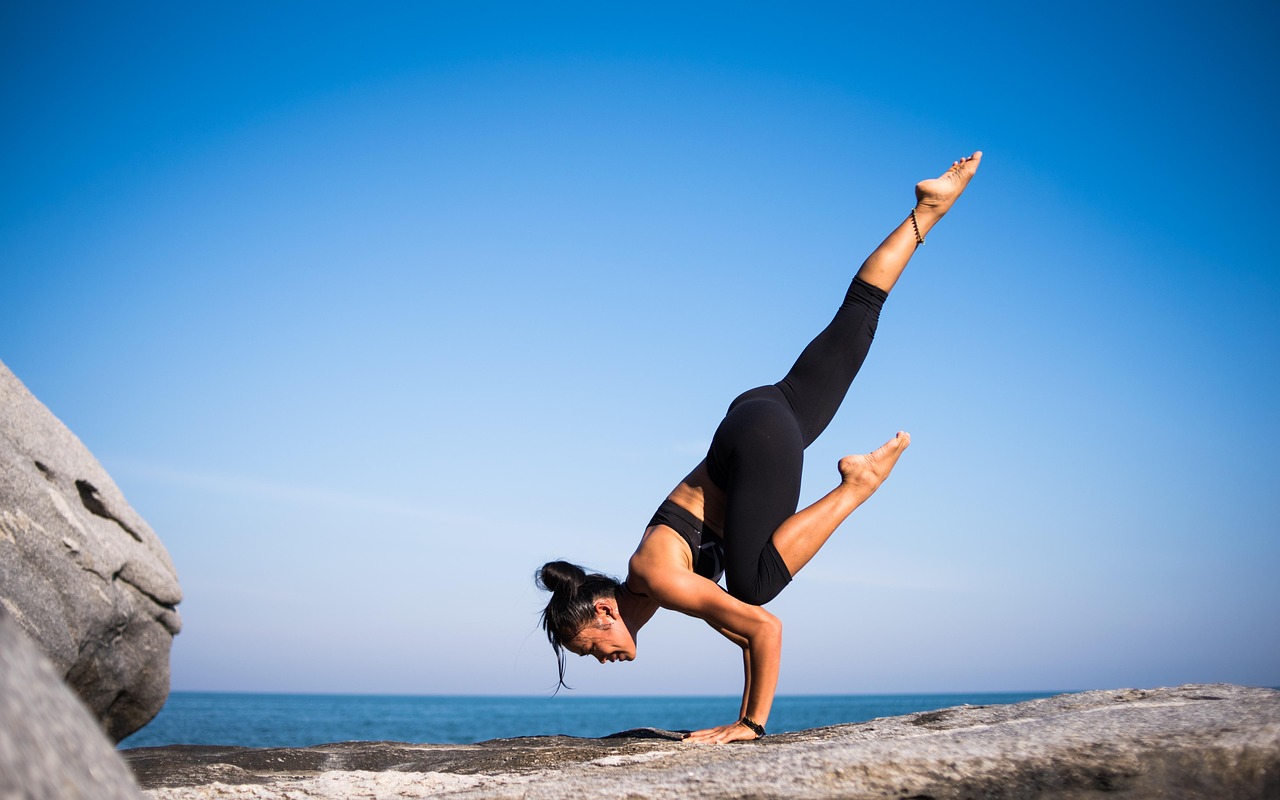

Balancing Act: Core Exercises for Better Posture
Core stability and balance are essential for maintaining good posture, enhancing athletic performance, and preventing injuries. A stable core provides a strong foundation for movement, supporting the spine and pelvis effectively. Introducing core exercises into your routine can improve your posture, allowing for better alignment and increased endurance. When core muscles are weak, everyday tasks can lead to fatigue and discomfort. Engaging in specific exercises designed for core stability helps strengthen your abdominal and back muscles. This integrated approach allows for improved coordination and balance, essential for functional movements. Focus on establishing a connection with your body while executing these exercises, keeping alignment and form a priority. Gradually progress in difficulty and challenge yourself as your strength and stability improve. Consistency is vital; aim to integrate these exercises into your weekly fitness schedule. By committing to a core workout routine, you enhance your body’s ability to withstand the demands of daily life, from standing postures to lifting motions. Remember, better core stability leads to an overall improvement in physical performance, posture, and injury prevention.
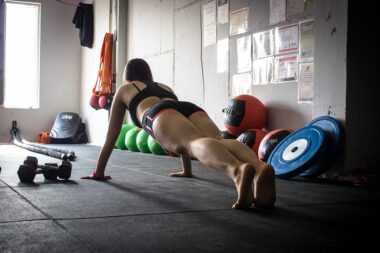
One effective exercise for core stability is the plank, which targets multiple muscle groups. To perform the plank correctly, begin in a push-up position, ensuring your elbows are aligned beneath your shoulders. Your body should form a straight line from head to heels, engaging your core, glutes, and legs. Hold this position while focusing on breathing steadily and maintaining commitment to form. Start with shorter durations and gradually increase as your strength improves. Adding variations like side planks can further challenge your stability and balance. Remember to alternate sides to avoid imbalances in muscle development. Incorporating movements like forearm planks offers additional core engagement benefits. Ensure you are mindful of your posture during every plank, as proper form is essential to maximize benefits and prevent injury. Pair plank exercises with other activities that promote balance, such as yoga or Pilates, which can effectively complement core strengthening routines. Overall, regular plank practice aids in developing endurance while fortifying your core strength, which translates into better posture and improved physical performance in various activities.
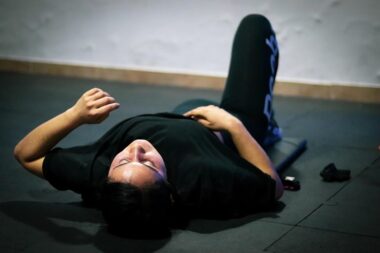
Another cornerstone of core stability exercises is the dead bug. This movement effectively engages the deep core muscles, promoting stability while improving coordination and balance. To perform the dead bug, lie on your back with your knees bent at 90 degrees, feet lifted off the ground. Extend your arms toward the ceiling while maintaining a neutral spine. As you exhale, slowly lower your right arm and left leg towards the ground without touching it, keeping your back flat against the floor. Return to the starting position and repeat on the opposite side. Focus on controlled movements and stability throughout the exercise. The key is to engage your core muscles to prevent your lower back from arching. Incorporate this exercise into your routine at least twice a week for optimal results. As you gain strength, challenge yourself by increasing the speed and complexity of your movements. Variations such as adding resistance bands can further enhance the intensity and effectiveness of this exercise. Practicing the dead bug can yield impressive gains in core strength, equilibrium, and overall performance.
Importance of Rotational Stability
Rotational stability is crucial for athletes and individuals who perform activities requiring twisting movements. Exercises targeting this aspect of core stability enhance your body’s ability to withstand rotational forces, ultimately improving performance and reducing injury risk. A fantastic movement for developing rotational stability is the Russian twist. By sitting on the ground with your knees bent and feet lifted slightly off the surface, you engage your core as you rotate your torso side to side while holding a weight or medicine ball. Work toward a controlled rhythm, focusing on engaging the oblique muscles. To increase the challenge, you can perform this exercise with your feet elevated or on a stability ball. Ensure you maintain proper alignment and avoid dropping your shoulders, as this could lead to an ineffective workout. Consistent practice of Russian twists aims to strengthen your core while improving flexibility and balance. Allow this exercise to become a staple in your core routine for impressive improvements in stability and posture, enabling you to perform all your daily activities with greater ease and efficiency.
In addition to traditional exercises, incorporating stability balls into your core routine can provide varied benefits. Stability balls effectively engage your core muscles while enhancing balance and coordination. One popular stability ball exercise is the wall squat, which not only strengthens the core but also targets the lower body. For this exercise, place the stability ball between your lower back and a wall. Walk your feet forward and lower into a squat while keeping your back straight and engaged. Hold the position for a few seconds before returning to standing. As you become more comfortable, increase the duration of the squat and consider incorporating weights for added resistance. Another great stability ball exercise is the ball pass, which challenges your core and promotes stability. Lie on your back and hold the ball between your hands and legs; then simultaneously lift both limbs, passing the ball from your hands to your feet. This exciting movement ensures your core remains engaged throughout the exercise, promoting better balance, stability, and strength while encouraging a fun factor in your workout.
Incorporating Balance Training
Incorporating balance training into your core stability routine enhances the effectiveness of the exercises. Balancing methods not only sharpen your core strength but also improve your proprioception and stability, translating into everyday movements. Simple balance activities such as standing on one leg can significantly enhance your core engagement. Focus on maintaining an upright posture and engage your core muscles as you balance. Aim to hold the position for as long as you can, gradually increasing the duration over time. To add complexity, try performing small movements, either with the other leg or arm. You can also utilize balance boards or wobble cushions to increase the difficulty level. Incorporating single-leg exercises like lunges or single-leg deadlifts can also enhance balance while stabilizing your core. These movements require additional focus and control, leading to improved overall stability. By integrating balance training into your routine, you’re laying the groundwork for greater core strength and engagement. This approach bolsters your ability to execute daily movements confidently, promotes effective posture, and ultimately fosters enhanced physical performance.
Finally, consistently revisiting your core workout routine will yield exceptional results in both stability and posture enhancement. Establishing a balanced training regimen with varied exercises keeps your muscles engaged and promotes overall physical growth. Each week, aim to target different muscle groups using various methods, prioritizing core stability, strength, and balance. A successful routine should include classic exercises like planks and dead bugs alongside innovative additions such as stability balls and balance training. Emphasizing consistency is crucial; commit to training multiple times per week to ensure ongoing core enhancements. Keep track of your progress and celebrate milestones along the way, fostering motivation. Additionally, remember the importance of recovery and listening to your body’s signals. Stronger core muscles help align your body, ultimately improving posture and functional movement. Incorporating stretches and flexibility work can be highly beneficial in preventing muscle tightness and enhancing overall performance. As you continue your journey towards better posture, remember the integral role core stability exercises play in achieving your goals while maintaining a healthy, active lifestyle.
In conclusion, focusing on core stability and balance exercises is essential for fostering overall physical health. By regularly engaging in routines catering to these areas, you’ll gain increased body strength, improved posture, and decreased risk of injury. Incorporate bodyweight exercises, resistance training, and balance-focused activities into your weekly routine. Over time, you’ll experience improvements in athletic performance, daily functional movements, and overall wellness. Remember that achieving your ideal core strength takes dedication, so stay consistent and patient as you work toward these fitness objectives. Prioritize your journey towards a stronger core and improved posture for lasting benefits in every aspect of your life.