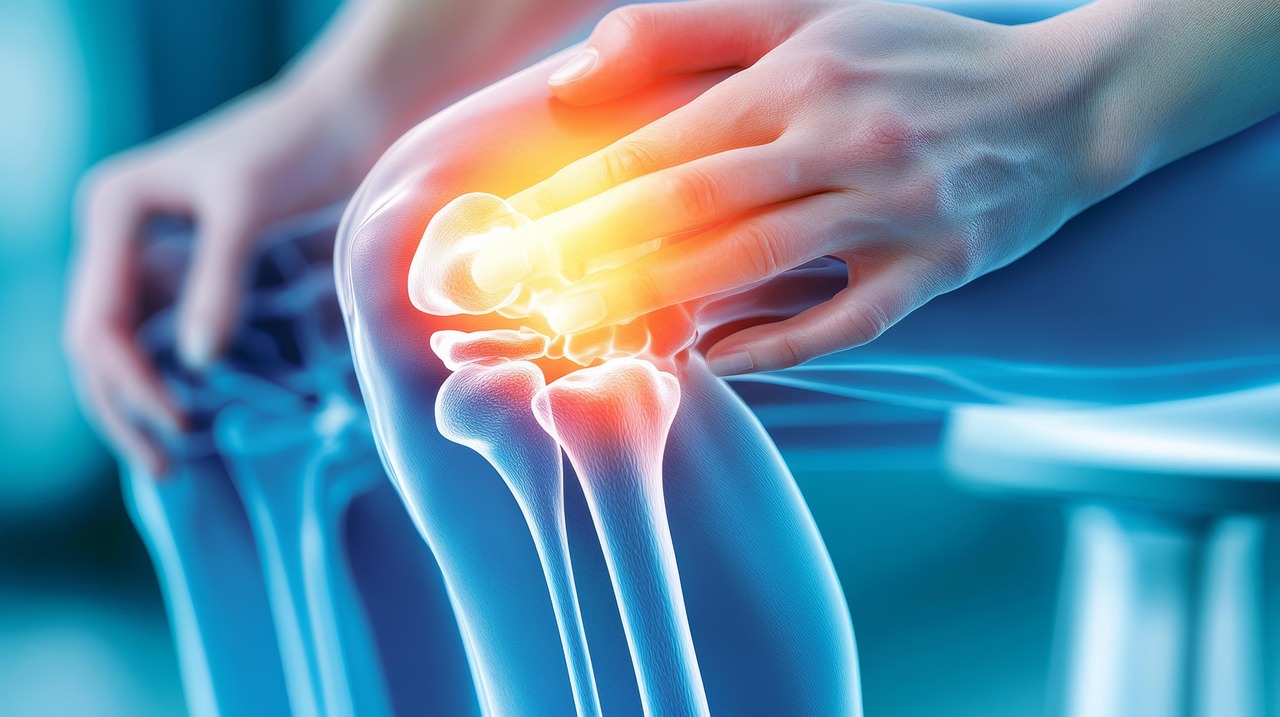

Technology and Tools Aiding Knee Rehabilitation at Home
Knee injuries can significantly impact mobility, making rehabilitation critical for recovery. Thankfully, advancements in technology have made it easier to facilitate effective home rehabilitation programs. Tools such as resistance bands, exercise balls, and balance boards support various rehabilitation exercises. Moreover, incorporating fitness tracking apps helps patients monitor progress meticulously, adapting routines as required. These apps can provide reminders for scheduled exercises. Additionally, telehealth consultations allow patients to connect directly with physical therapists, providing personalized guidance and modifications to rehab programs. These professionals assess recovery trajectories effectively from remote locations. Furthermore, wearable technology, like smartwatches, provides the ability to track vital statistics, ensuring that patients do not overexert themselves while rehabilitating their knees. Using motion analysis technology, some applications evaluate the biomechanics of rehabilitation movements. Such innovations also enhance motivation, helping patients stay committed to their rehabilitation programs. Online forums and support groups also offer emotional assistance during recovery, fostering camaraderie among sufferers of similar injuries. Combining these technologies creates an efficient home rehabilitation experience, paving the way for a quicker and more successful recovery from knee injuries, allowing individuals to return to their active lifestyles faster.
The Role of Resistance Bands in Rehabilitation
Resistance bands are essential tools in knee injury rehabilitation, offering safe resistance for an array of exercises. They enable gradual muscle strengthening without the heavy strain typically caused by free weights. This feature makes bands ideal for those recovering from knee injuries, as they promote collagen growth and joint stability. Patients can also perform various exercises targeting specific muscles surrounding the knee, such as the quadriceps, hamstrings, and calf muscles. As stability enhances, patients gradually escalate resistance to improve strength progressively. Customizing the level of resistance makes these bands suitable for users at all fitness levels. For beginners, light bands accommodate gentle exercises like leg extensions and side steps, whereas stronger individuals can engage in advanced moves like squats and lunges with heavier bands. Furthermore, the portability of resistance bands encourages consistent workouts anywhere, eliminating barriers associated with gym attendance. Using a consistent routine featuring resistance band exercises allows individuals to make significant improvement to their knee function. Overall, this tool’s versatility is a vital asset in various rehabilitation protocols, contributing significantly to body strength and joint health effectively over time.
Exercise balls are another valuable instrument for knee rehabilitation, effectively enhancing balance and stability. They serve as a versatile tool for exercises that often target multiple muscle groups, including stabilizing muscles essential for knee joint integrity. Patients can perform a range of movements, from seated marches to wall squats, engaging their core while complemented by the ball’s instability, allowing for gradual progression in resistance training. Utilizing an exercise ball can help in regaining stability after an injury, encouraging neuromuscular coordination. Through these engaging routines, patients may also improve their proprioception—knowing their body’s position in space—an essential aspect of recovery. The incorporation of exercises that activate the core while focusing on knee strength can lead to a more functional recovery. Additionally, workout videos and online classes provide excellent resources for guided ball exercises, helping users remain aligned with correct postures and movements during rehabilitation. This leads to safer, more efficient recovery practices. By continuously innovating exercise strategies with an exercise ball, patients can reclaim lost strength. Ultimately, exercise balls foster a fun, engaging environment conducive to recovering from knee injuries, ensuring patients stay committed to their rehabilitation.
Incorporating Balance Boards in Rehab
Balance boards are exceptional tools for enhancing knee rehabilitation by challenging stability and coordination. They also create the opportunity to engage deep stabilizing muscles around the knee joint, which aids the recovery process significantly. Using these boards allows individuals to practice controlled movements that mimic daily activities without risking further injury. Alongside strengthening the knee joint, balance boards can improve overall balance, coordination, and proprioception. Strengthening these areas is crucial for preventing future injuries, as a well-developed foundation helps support dynamic movements. Patients can gradually increase their difficulty level based on their needs, allowing a tailored approach amid rehabilitation. The combination of balance training with strength-building exercises creates comprehensive physical therapy strategies for knee recovery. Furthermore, exercises on balance boards can be easily implemented in the comfort of one’s home, accompanied by interactive online classes to guide practices. Adopting this tool fosters an engaging recovery environment, which promotes consistency in rehabilitation. Ultimately, patients will find the integration of balance boards a fun and effective method to reinforce their recovery journey, ensuring they regain strength and independence in their movement.
Wearable technology plays a pivotal role in modern rehabilitation therapies, particularly for knee recovery. Devices such as smartwatches can track multiple fitness metrics, including heart rate, steps, and activity levels, ensuring patients comply with prescribed rehabilitation protocols. The ability of these devices to provide real-time feedback can be a powerful motivator as individuals progress through their routines. Additionally, they can help avoid pushing beyond safe thresholds, aiding the prevention of injury reoccurrences. Many wearables are equipped with GPS tracking, allowing users to log their outdoor activities, which can be beneficial for rehabilitation compliance and motivation. Users can integrate these devices with fitness apps to measure performance over time, acknowledging their progress and celebrating milestones. Integrating reminders into the wearable can help patients maintain their routine and remain accountable for their exercises. This helps reinforce commitment, mapping out a clear path towards recovery. Beyond physical fitness, wearing a technology device offers psychological benefits as users stay connected with their physical progress. Ultimately, incorporating wearable technology into knee rehabilitation fosters a web of support, making recovery a smoother and more engaging experience.
Telehealth Support for Recovery
Telehealth has revolutionized healthcare accessibility, especially in the realm of physical rehabilitation. Patients recuperating from knee injuries can now connect visually with specially trained physical therapists, receiving remote guidance that personalizes their rehabilitation journey effectively. This virtual connection proves particularly advantageous for those with mobility challenges who might find traveling to clinics difficult. Physical therapists can assess movement and pain levels in real-time, allowing them to make critical adjustments to exercise programs promptly. Additionally, telehealth allows for a more interactive and engaging environment for patients, who can ask questions and clarify doubt. Many therapists use video sessions to guide patients through exercises, ensuring that they maintain proper techniques crucial in their recovery. This support is invaluable in building the necessary confidence for self-directed exercises at home. Telehealth complements other technological tools by enhancing patient engagement and adherence during and beyond rehabilitation. Ultimately, this model ensures that rehabilitation is not limited by physical barriers, making recovery efforts more seamless. The integration of telehealth into rehabilitation signifies a crucial move towards patient-centered care, with tailored strategies that honor individual recovery journeys amidst evolving rehabilitation standards.
Online communities and support groups play an essential role in knee rehabilitation, offering emotional support and shared experiences that aid the recovery process. Access to these platforms allows individuals to connect with others who have faced similar challenges in their recovery journey, providing comfort and motivation. Engaging in discussions with others fosters camaraderie, alleviating feelings of isolation that may accompany injury. In such communities, members share valuable insights into their rehabilitation strategies, providing tips and encouragement. This exchange of information can enhance one’s understanding of different rehabilitation methods and offer new perspectives for approaching recovery effectively. Moreover, support groups help reinforce the accountability factor, inspiring individuals to remain committed to their exercise routines and recovery protocols. Sharing progress updates in these groups cultivates a sense of achievement and celebration for overcome hurdles. Online sessions can further promote wellness through mindfulness and relaxation practices, crucial for managing the mental stresses linked with rehabilitation. Ultimately, being part of an online community offers a multifaceted healing approach, intertwining emotional and physical recovery strategies. By supporting each other, individuals can confidently navigate their recovery, ensuring they remain engaged in their rehabilitation journey.