
Managing Cravings While Following a Home Workout Nutrition Plan
When engaging in home workouts, managing cravings effectively can significantly impact the success of your nutritional plan. Cravings often arise when we emotionally or physically associate specific situations with certain foods. To combat these urges, it’s crucial to identify the root causes of the cravings. For example, stress, boredom, or habit can trigger intense cravings that may lead to poor food choices. The first step is recognizing these triggers and acknowledging your body’s needs. Integrating mindful eating practices can enhance your ability to distinguish genuine hunger from cravings. Instead of succumbing to the urge immediately, try drinking water or herbal tea to help curb the desire. Another helpful technique is keeping healthy snacks readily available, such as cut vegetables or fruit. This strategy allows you to satisfy your snack cravings while making healthier choices. Meal planning also plays a crucial role, as having a structured meal schedule reduces impulsivity in food decisions. Keeping a food diary can help identify patterns in your eating habits related to cravings. This awareness can empower you to make more conscious choices and gradually reduce the frequency of these cravings.
Just as important as managing cravings is understanding the nutritional value of our food choices. Focus on whole, unprocessed foods that satiate hunger and provide essential nutrients. Foods rich in fiber, protein, and healthy fats can keep you feeling full longer. Introduce high-fiber foods into your diet, such as oats, legumes, fruits, and vegetables. These foods not only improve digestion but also curb hunger pangs. Similarly, lean protein sources like chicken, fish, beans, and legumes support muscle repair post-workout and maintain feelings of fullness. Healthy fats found in avocados, nuts, and olive oil are also vital. They contribute to satiety and aid in nutrient absorption. To efficiently manage cravings, familiarize yourself with the concept of the glycemic index. Foods with a low glycemic index provide lasting energy and help regulate blood sugar levels, reducing sudden hunger pains. Furthermore, planning meals that include a balance of macronutrients is essential. Making balanced meals ensures you consume adequate calories while stabilizing your energy levels throughout the day. This proactive approach to nutrition can result in fewer cravings and more successful outcomes in your home workout journey. Staying motivated is another key component.
Staying Active and Motivated
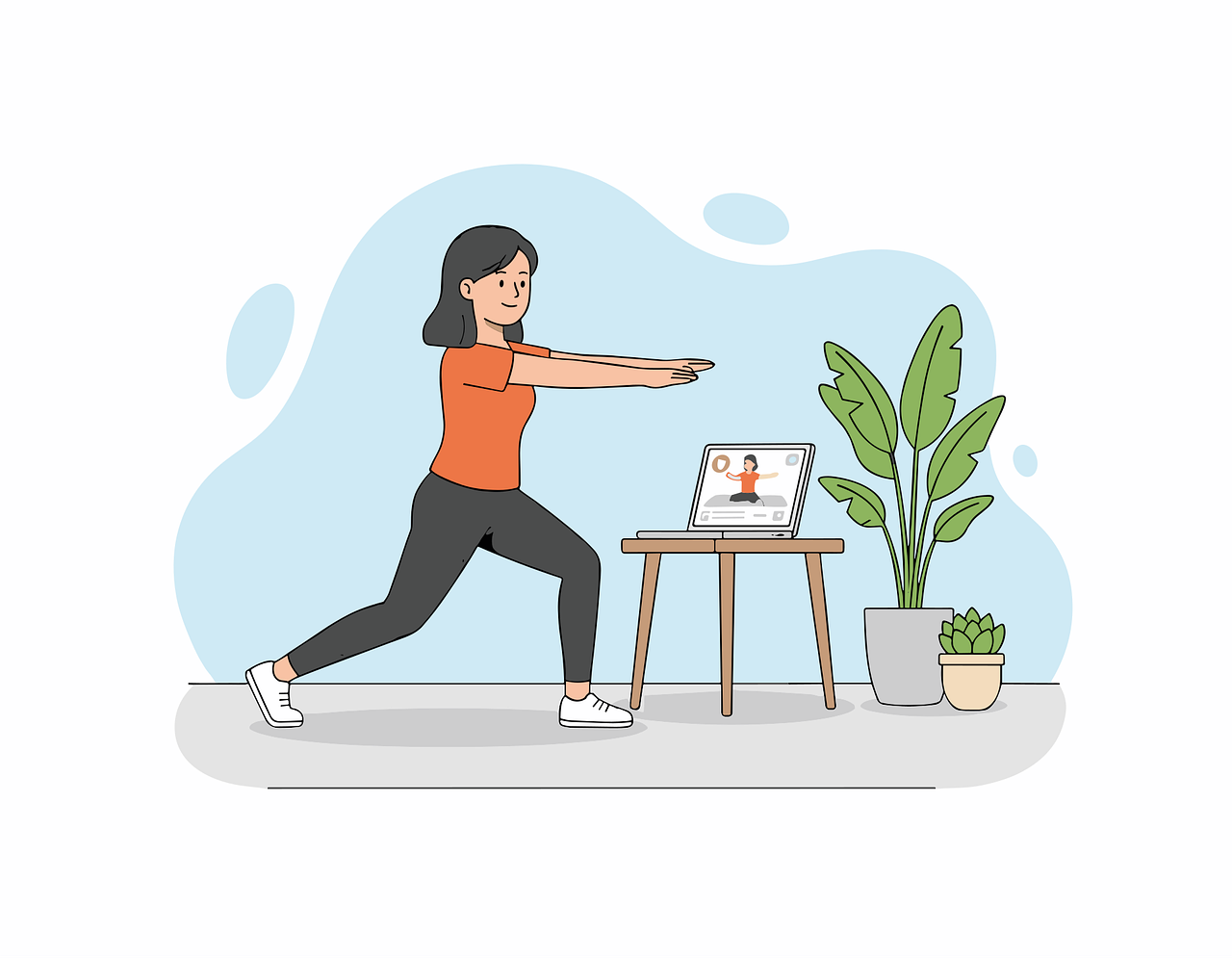
Incorporating regular physical activity can be a strong ally in managing cravings. Exercise releases endorphins, which improve mood and reduce stress; these are common triggers for unhealthy eating behaviors. Regular workouts create a positive feedback loop, promoting healthier food choices. Experiment with different types of home workouts to find what excites you—this can include yoga, high-intensity interval training (HIIT), or strength training. Engaging in various workouts ensures your routine remains fresh, ultimately helping stave off any boredom-induced cravings. Furthermore, you can set specific fitness goals that provide motivation and create a sense of achievement. Clear goals can serve as powerful reminders of your commitment to overall well-being. Alongside maintaining a workout routine, creating a supportive environment is crucial. Share your goals with family and friends, or consider joining an online fitness community. Having people to share in your journey can uplift you and keep you accountable. Additionally, celebrating small milestones along the way fosters a positive mindset. New habits take time to develop, and patience is vital. This sustainable approach to maintaining an active lifestyle complements your nutrition plan, effectively managing cravings in the long run.
The Role of Hydration
Hydration is often overlooked but plays a pivotal role in managing cravings and promoting overall health. Sometimes, our bodies confuse thirst with hunger, leading us to snack unnecessarily. Drinking sufficient water throughout the day can help differentiate between actual hunger and dehydration. Aim for at least eight 8-ounce glasses of water daily, but remember that individual needs may vary. To facilitate hydration, try keeping a reusable water bottle within reach at all times. Flavor your water with lemon, cucumber, or mint to make it more appealing. Herbal teas are another excellent option, as they provide hydration while also offering various health benefits. When you feel a craving approaching, take a moment to assess your hydration levels. Oftentimes, a glass of water can alleviate the craving before it escalates. Additionally, consuming water-rich foods such as cucumbers, watermelon, and oranges contributes to your overall hydration and helps keep cravings at bay. Making hydration a priority not only aids in managing cravings but also supports improved energy levels and workout performance. Remember to listen to your body and incorporate hydration into your daily routine effectively.
Building a strong support system is imperative for managing cravings during your home workout nutrition journey. Surrounding yourself with like-minded individuals can nurture your determination to maintain a healthy lifestyle. Sharing your experiences with friends, family, or online communities fosters accountability and motivation. Consider participating in classes or virtual workout sessions where you can interact with others facing similar challenges. When cravings arise, discussing them with your support group can provide new strategies and insights. You can also exchange recipes and snack ideas that help keep cravings in check. Creating a healthy environment at home that encourages clean eating reinforces these efforts. Remove tempting, unhealthy snacks from your household; instead, replace them with nutritious options that are easy to access. Engaging family members or roommates in meal planning or cooking can also strengthen your resolve and encourage healthier choices. Moreover, learning that cravings are a common experience among others can normalize the challenges you face. Having a support system in place can alleviate feelings of isolation during this process. Understanding that you are not alone in this journey can make a significant difference in consistently adhering to your nutrition plan.
Finally, incorporating self-compassion into your approach to cravings can be transformative. It’s important to recognize that experiencing cravings is entirely normal, and it does not signify failure. Being too hard on yourself can lead to feelings of guilt and anxiety, which may further exacerbate cravings. Allow yourself the occasional treat in moderation to satisfy your cravings without derailing your progress. This approach fosters a healthier relationship with food and encourages indulgence without guilt. Practicing mindfulness can aid in this process as well. Mindful eating encourages you to savor each bite, promoting an appreciation for your food while reducing the likelihood of mindless snacking. Engaging fully with your meals can help you realize when you are satisfied, thus curbing further cravings. Journaling your thoughts related to food and cravings can provide valuable insights over time, allowing you to recognize patterns and triggers. Ultimately, embracing a balanced outlook on nutrition and cravings is vital. By combining the strategies discussed, you can navigate the challenges of managing cravings effectively while pursuing your home workout nutrition goals in a sustainable manner.
This holistic approach, incorporating a variety of strategies, significantly contributes to a healthier lifestyle. By understanding and managing cravings, you set a foundation for success in your home workout nutrition plan. Nutrition is not merely about restrictions, but rather creating a balanced, enjoyable diet that aligns with your fitness goals. Eating healthily doesn’t have to be bland or boring, but instead vibrant and delicious. Incorporate colorful fruits and vegetables, complex carbohydrates, and protein in your meals while remaining creative with your cooking. Participate in meal preparations with friends or explore new healthy recipes for some enjoyment. Listening to your body—assessing hunger and cravings—helps cultivate a deeper awareness of your nutritional needs, leading to better food choices. Remember to celebrate the small victories and progress you make along the way. Each step towards a healthier lifestyle enriches your home workout journey and provides motivation to keep pushing forward. Keep experimenting with different strategies that resonate with you, creating a personalized plan that keeps cravings manageable. The efforts you put into maintaining a balanced diet, paired with an active lifestyle, can deliver meaningful results over time.
By systematically addressing cravings and enhancing the nutritional component of your home workout routine, lasting success becomes achievable. It’s essential to adopt a positive mindset throughout this journey, understanding that improvement takes time and dedication. Remind yourself that every decision towards a healthier lifestyle counts, helping you grow stronger not only physically but mentally as well. Also, persistence allows you to learn more about yourself and your body’s needs. Each personal breakthrough paves the way for future successes. As you persist with your nutrition plan, continuously assess and adapt while staying flexible about your consumption. The key is to find balance, integrating the healthy habits that suit you best. Utilizing these habits and proper support will help you overcome cravings effectively. Your journey can serve to inspire others, showcasing the positive impact of home workouts in conjunction with a well-thought-out nutrition plan. Remember that this endeavor is a process, and patience is vital. The ultimate goal is to nurture a sustainable lifestyle that not only encompasses fitness but also a healthy relationship with food.