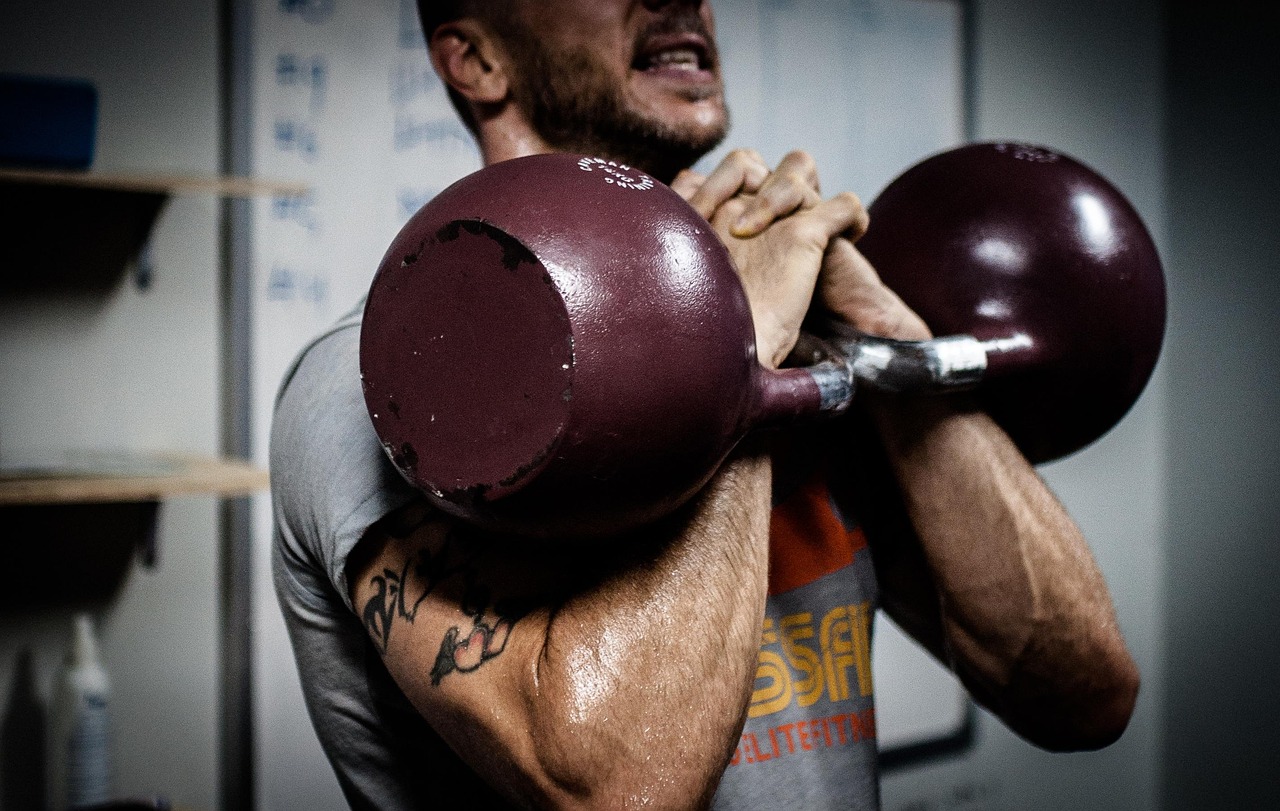

Kettlebell Safety Tips: Avoiding Injury While Training
When you engage in kettlebell workouts, prioritizing safety is crucial for success. Knowing how to prevent injuries enhances your fitness experience, allowing you to focus on achieving your goals. Start with the right basic exercises, which help build a strong foundation before progressing. Your form is essential, so it’s vital to monitor your technique meticulously. Proper alignment in your posture plays an important role in injury prevention. You should also choose an appropriate weight for your kettlebell. Starting light allows for gradual adaptation of muscles, helping to avoid strains. Adequate warm-up routines are fundamental as they prepare your body for a workout, promoting flexibility and blood circulation. Make sure to pay attention to your breath; exhale during exertion and inhale during recovery phases. This will help to maintain endurance during your session. Finally, listen to your body; if something doesn’t feel right, stop immediately. Pushing through pain often leads to injuries that could set you back significantly. With these guidelines, your kettlebell experience can be both safe and effective, ultimately leading to incredible fitness results.
In kettlebell training, breathing techniques significantly impact performance and safety. Proper breathing ensures your muscles receive adequate oxygen, enhancing endurance and strength. For efficient breathing, focus on exhaling during the most strenuous part of the lift. This increases core stability and helps you maintain control throughout your workout. Inhale during the easier portions, assisting recovery for the muscles. Practicing this technique consistently will boost your overall kettlebell exercises. Effective warm-up rituals are essential for preventing injuries as well. By incorporating dynamic movements, you increase blood flow and prepare your muscles and joints. Focus on stretching the major muscle groups that will be engaged. This should include the core, shoulders, and legs, as these areas play pivotal roles in kettlebell workouts. After your session, a proper cool-down can aid in reducing soreness and improving recovery, making it a crucial safeguard. Resistance to injury often correlates with how effectively you integrate breath and warm-up into your routines. Finally, maintaining your regular kettlebell exercises encourages consistent improvement while prioritizing a safe practice can lead to long-lasting results and injury-free workouts.
Choosing the Right Kettlebell
Selecting the appropriate kettlebell for your workout is vital for injury prevention and maximizing effectiveness. If you are a beginner, starting with a lighter kettlebell will allow you to master techniques first. It’s essential to focus on perfecting form before advancing to heavier weights. Kettlebells come in various weights, typically ranging from 4 kg to 32 kg or more. You may want to consult a fitness professional for recommendations tailored specifically for your fitness level and goals. As you progress, gradually increase the weight while ensuring you maintain proper form. Switching to heavier weights before achieving proficiency in technique can lead to injuries. Consider investing in adjustable kettlebells as they provide the flexibility to change weights according to your training needs. This versatility is useful as it saves storage space and allows varied exercises without requiring multiple kettlebells. Remember that feeling challenged is good, but don’t sacrifice safety for performance. Staying attuned to how your body responds to each weight can ensure your workouts remain both productive and safe.
Before starting any kettlebell training, understanding your current fitness level and health conditions is essential. If you have pre-existing injuries or medical conditions, consult with a healthcare professional before beginning any new training regimen. Assessing your overall fitness condition can help tailor your kettlebell workouts effectively. Set achievable and realistic goals to maintain motivation throughout your fitness journey. These goals should also take into consideration your ability to safely handle kettlebells. Regularly reviewing and adjusting your goals based on your progress can enhance your workout safety. Keeping a workout journal can help track your performance and note any adjustments you need to make. Timing your workouts is also important; ensure that you allow adequate recovery time between sessions to prevent fatigue-related injuries. Allow muscle groups to recover fully before using them heavily again. Cross-training with different activities can also alleviate monotony while distributing workload across various muscle groups. These elements combined contribute to a safer and more enjoyable kettlebell experience. Remember, your journey involves trial, adaptation, and patience to cultivate a safely rewarding fitness routine.
Incorporating Kettlebell Workouts
Incorporating kettlebell workouts into your fitness routine requires planning to ensure safety. Start by including kettlebell exercises two to three times a week. This frequency allows your body to adapt gradually while preventing overuse injuries. Always begin with warm-up exercises targeting the core, legs, and arms to engage major muscle groups. Following warm-ups, you can delve into fundamental exercises such as swings, squats, and presses. Focus on executing proper technique rather than quantity to maintain efficacy. Incorporating rest days in between kettlebell workouts is pivotal for recovery. After an intense session, ensure you give your muscles a break, allowing them to rebuild and strengthen. Additionally, using a timer can help manage workout and rest intervals effectively. This method keeps your sessions organized and prevents excessive strain. Reviewing your completed workouts can help identify what feels right or not, providing crucial insight regarding weight or exercise adjustments. Staying resilient in consistency while adhering to safety practices can yield impressive fitness results over time. Before long, you may find kettlebell workouts enhancing your overall fitness and well-being.
Furthermore, focusing on precision can significantly enhance the impact of kettlebell workouts. Whether you’re practicing basic swings or more advanced techniques, always prioritize control. Engaging in slow and precise movements not only improves form but also minimizes injury risks. When performing exercises, maintain a solid grip on the kettlebell. A loose grip can lead to accidents or miscalculations that could cause injuries. When fatigue sets in, your form may deteriorate, increasing the likelihood of injuries. If you find your form slipping, it’s prudent to lower the weight or conclude the workout. Establishing a cooldown phase is just as vital as warming up. Stretching post-workout soothes muscle tension and improves flexibility. Include stretches specifically for the shoulders, back, and legs to mitigate strain. Also, hydration before, during, and after your workout is fundamental. Dehydration can impair performance and lead to cramps, further risking injury. By following these strategies, each kettlebell training session can be both effective and safe. Incorporate gradual progression and keen awareness of your body’s signals for the utmost success.
Consulting a Professional
If you’re uncertain about incorporating kettlebells safely into your exercise routine, enlisting the help of a certified personal trainer can be immensely beneficial. Professionals provide insight unique to your individual needs and fitness goals. They can develop a tailor-made training plan while ensuring the techniques are precise, thereby minimizing injury risk. Consider attending a kettlebell-specific class where guidance is structured to impart foundational skills and promote safe practices. Such environments often foster a sense of community and support, encouraging motivation and accountability. Always communicate any concerns or pre-existing injuries to your trainer for personalized adjustments. Participating in focused workshops can offer a deep dive into kettlebell workouts. Learning from experienced instructors can enhance understanding and ultimately improve safety. Be sure to ask questions regarding the proper form, breathing techniques, and exercise variations that suit your capability. Remember that expert guidance is part of a safe pathway in fitness, ensuring practices remain effective against injuries. As you progress, documenting your journey with the help of professionals can lead to sustainable fitness improvements and a secure training foundation.
In conclusion, prioritizing safety during kettlebell workouts is the key to preventing injuries and enhancing fitness effectiveness. By implementing techniques that focus on breathing, warm-ups, and cooldowns, you create a holistic approach to your training regimen. Choose appropriate kettlebells tailored to your skills, and allow yourself the time needed to master form before advancing. Listening to your body and respecting its limits will ultimately lead to a healthier workout experience. Incorporating sufficient rest and recovery time in your schedule helps sustain continuous progress and reduces fatigue-related incidents. Seeking guidance from certified trainers enriches your experience by ensuring proper technique and safety measures are upheld. Tracking your progress provides valuable insights that lead to necessary adjustments and improved flexibility in workouts. Kettlebell training can bring about excellent fitness results when safety is intertwined in every session, transforming each experience. As you develop your capabilities over time, the importance of safety becomes more evident and rewarding. A gradual yet consistent approach enables you to reap the benefits of kettlebell workouts while prioritizing long-term health and well-being.