
Hydration and Its Impact on Bodyweight Exercise Performance
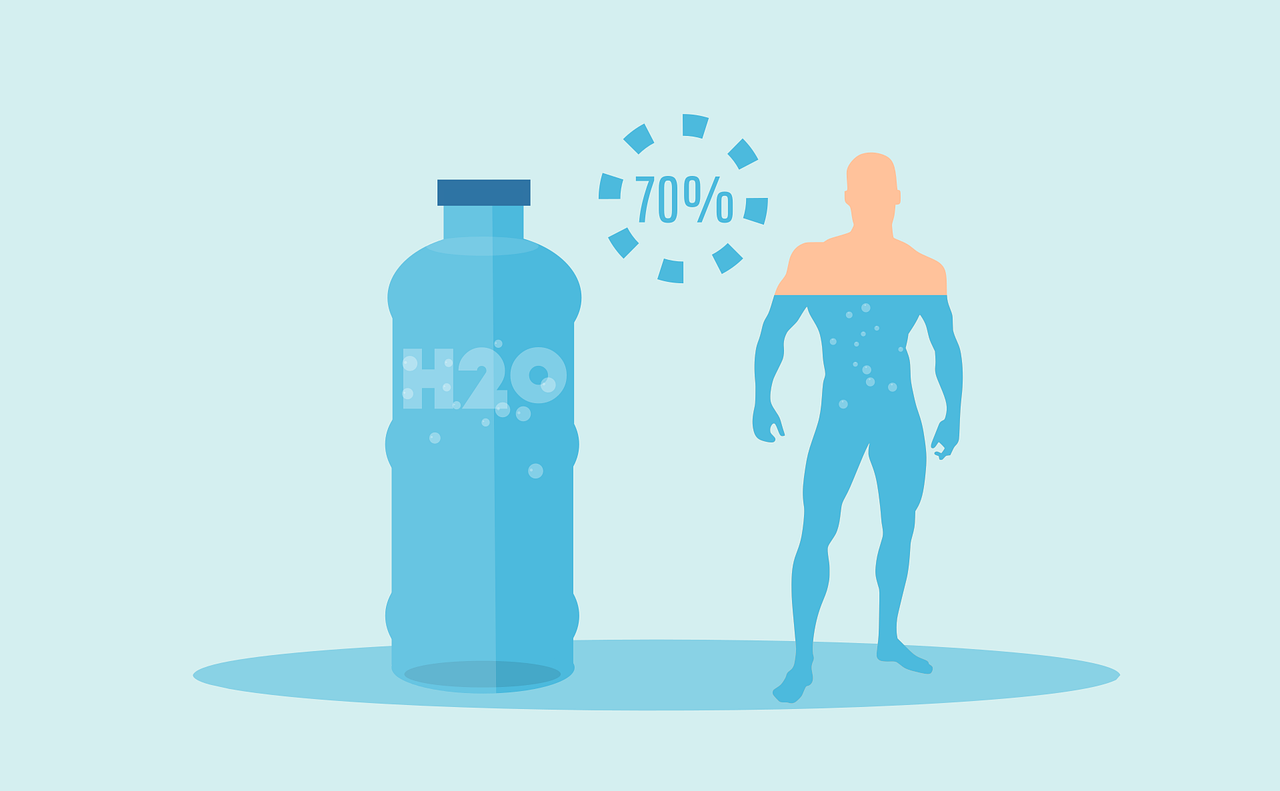
Proper hydration is crucial for optimal performance during bodyweight exercises. When engaging in high-intensity workouts, fluids lost through sweat must be compensated to maintain endurance and strength. Dehydration can significantly hinder physical abilities, leading to reduced strength, endurance, and coordination. This reduction in performance is particularly pronounced during strenuous activities, where maintaining hydration can help sustain energy levels. Furthermore, sufficient water intake supports muscle recovery by flushing out toxins and preventing muscle cramps. Staying hydrated is essential throughout the day, not just before or during workouts. Regular hydration aids digestion and nutrient absorption, which are critical aspects of any fitness regimen. Athletes should aim to drink water consistently, targeting a minimum of eight cups daily, with increased needs correlating with activity levels. Timing nutrition with hydration is equally important, ensuring meals contain adequate fluids. In combination, effective hydration and a balanced diet contribute to overall well-being. Athletes often overlook hydration, rotating between different liquids, such as sports drinks, to meet their electrolyte requirements. Making hydration a priority can ultimately enhance overall exercise performance and facilitate bodyweight training goals.
The Role of Electrolytes
Electrolytes, particularly sodium, potassium, and magnesium, play pivotal roles in hydration and muscle function. These minerals assist in maintaining fluid balance in cells and are essential for generating electrical impulses necessary for muscle contraction. When engaging in bodyweight exercises, especially those that induce sweating, it’s vital to replenish electrolytes that are lost. An imbalance can lead to muscle cramps, fatigue, and even heat-related illnesses, severely affecting performance. Foods rich in these minerals should be integrated into nutrition, particularly after intense workouts. For bodyweight trainers, this might mean incorporating bananas, avocados, or coconut water and ensuring proper salt intake. Additionally, sports drinks can be beneficial when exercising for extended periods as they replace lost electrolytes. However, one must choose wisely, as not all drinks are created equal; many contain excessive sugars. Therefore, checking labels is crucial to ensure healthier options. Pairing electrolyte-rich snacks with hydration can help sustain performance. Hydration strategies tailored to individual needs enhance training sessions significantly. Periodically testing these strategies during training can help establish a protocol that works best for each individual, promoting peak performance when it matters most.
The temperature and environment can greatly influence hydration needs during bodyweight training sessions. Hot conditions increase perspiration, requiring greater fluid intake to stave off dehydration. Conversely, in cooler climates, fluid loss can still occur, though it might be less noticeable. Athletes often misjudge their hydration needs, particularly when it’s chilly; therefore, awareness of one’s environment is critical. For optimal performance, set conditions that allow for easier monitoring of hydration levels. Regularly checking urine color can be a simple and effective method for assessing hydration status. A light-colored urine typically indicates adequate hydration, while dark shades may signal the need for increased fluid intake. Additionally, maintaining a consistent drinking schedule throughout the day can prepare the body for exercise demands. Sipping water at regular intervals is more beneficial than consuming large amounts infrequently. The elimination of sugary or carbonated beverages is advisable as they may lead to bloating or provide inadequate hydration. Instead, opt for plain water or herbal teas. Ensuring hydration strategies suit environmental conditions can enhance overall performance and recovery rates post-workout, ensuring athletes remain on track with their fitness goals.
Hydration Timing
Timing your hydration effectively is essential for improved performance during bodyweight exercises. Pre-workout hydration lays the groundwork for success by preparing your body for exertion. Drink sufficient water in the hours leading up to your workout, as it ensures optimal hydration levels. However, one should avoid overhydrating immediately before starting. A common recommendation is to consume 500ml of water about two hours prior to exercising, allowing time for absorption. During workouts, small sips of water can help maintain performance without causing undue discomfort or bloating. Post-workout hydration is equally critical; rehydrating after sleepless workouts rebalances one’s fluid levels lost during exercise. It is recommended to drink at least 1.5 times the fluid loss, calculated based on body weight changes during training. Incorporating electrolyte solutions post-exercise can expedite recovery, especially for sessions lasting over an hour. Additionally, keep in mind that habits developed during hydration can help establish routines for athletes, maximizing their potential during bodyweight training. Overall, understanding hydration timing assists individuals in meeting their fitness goals more efficiently with superior preparation and recovery strategies.
Nutrition complements hydration on several levels during bodyweight training. Consuming a balanced diet rich in vitamins, minerals, and fluids can improve hydration’s role in performance. Foods with a high-water content, such as fruits and vegetables, should be staples in daily nutrition. Items like cucumbers, oranges, and strawberries not only contribute to hydration but also offer essential nutrients. Moreover, protein-rich foods are beneficial as they support muscle repair and growth, critical for rigorous bodyweight training. Pairing these with complex carbohydrates provides sustained energy levels. Adequate calorie intake ensures that the body has sufficient energy reserves during workout sessions, significantly enhancing overall performance and endurance. Supplements can be an option for those struggling to consume enough nutrients through diet alone; however, it’s crucial to consult with a healthcare provider before incorporating them. The synergy between optimal hydration and proper nutrition creates a foundational stage for peak performance. Functionality and effectiveness in workouts are directly impacted by hydration; therefore, never underestimate its essential nature in exercise regimens. Focus on creating a clear strategy that aligns hydration with nutrition to achieve desired results consistently.
Impact of Dehydration on Recovery
Dehydration severely impacts recovery processes after rigorous bodyweight workouts. Following exercise, the body requires time to repair damage induced during training; fluids play an integral role in this process. It can hinder recovery time and increase muscle soreness when hydration levels are low. Replenishing fluids lost during exercise expedites recovery and helps maintain overall performance standards. Additionally, dehydration can lead to diminished cognitive function, affecting focus and motivation post-workout, which is detrimental to continued training regimens. To optimize recovery, creating a fluid intake plan during rest periods can prove advantageous. Combine this with nutrient-rich meals tailored to replenish energy levels and muscle repair. Consuming protein and carbohydrates post-workout enhances recovery, especially when paired with hydration. Implementing recovery protocols and hydration strategies contributes to better overall health outcomes for athletes. Paying attention to hydration should be mandatory for everyone participating in physical activities. Consider keeping a hydration journal to track fluid intake. Utilizing technology and fitness applications provides insights into individual hydration needs while facilitating accountability. A proactive approach to hydration can meaningfully differentiate a professional athlete from an amateur.
Finding the right balance in hydration and nutrition is essential for overall performance in bodyweight exercises. This equilibrium promotes better physical outcomes and contributes to heightened mental wellness. Athletes often strive to optimize every aspect of their training, and hydration is a critical element in this pursuit. Maintaining proper hydration levels not only supports physical performance but helps with concentration and decision-making. Additionally, developing personalized hydration strategies encourages progress and commitment to fitness goals. Consider experimenting with different hydration plans during your workouts to establish what feels best for your body. Regular feedback will aid in adjusting these strategies to meet ever-evolving personal needs. Alongside hydration, ensuring a nourishing diet creates a holistic approach to training. Regular assessments of hydration and nutritional strategies allow athletes to identify strengths and nutrient gaps. Recognizing the importance of hydration consistency, both during training and throughout daily life, reinforces the idea that it is an essential element of a successful fitness journey. Adopting this mindful approach to hydration and nutrition will ultimately lead to sustained progress and improvement, allowing any athlete to maximize their potential in bodyweight training.
Focus on hydration and nutrition is not just essential for performance; it’s equally important for general wellbeing. Physical activities are demanding, and how well you take care of your body determines your fitness levels. Apart from enhancing performance, proper hydration supports skin health and digestion, creating a holistic benefit for individuals. Aim for a balanced daily routine, incorporating hydration and nutrient-dense foods into your lifestyle. Listening to your body signals is crucial; thirst is an early warning sign of dehydration. Drinking before you feel parched creates a habit of responding promptly to your body’s needs. Consistent hydration while balancing physical activities will overall enhance health. Furthermore, creating community awareness about hydration practices during bodyweight training is vital. Share your findings with friends or fellow trainees; together, develop hydration plans tailored to each individual’s needs. This collective approach fosters accountability and promotes a culture of well-being. For those embarking on a fitness journey, remember that understanding hydration is paramount. Ensuring a supportive and hydrating environment during workouts enables long-term success. Strive for constant improvements in hydration practices; they are foundational in achieving bodyweight training success over time.