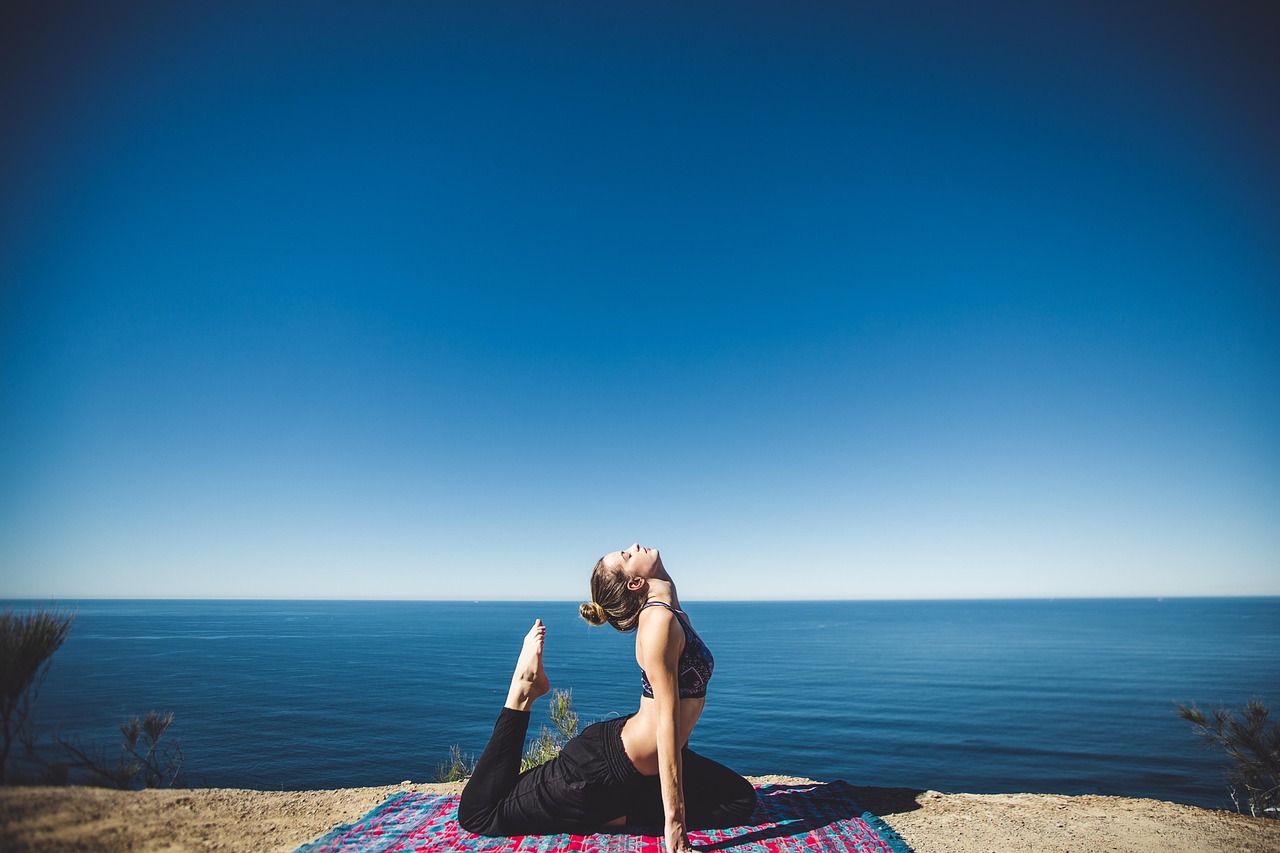

How to Combine Yoga and Muscle Building After 50
As we age, maintaining muscle strength becomes increasingly important for our well-being. For older adults, combining yoga and muscle building can enhance flexibility, balance, and overall fitness. Yoga offers a gentle approach to strength that complements more traditional muscle-building exercises. This article explores effective methods to integrate both practices safely. It is essential to begin with yoga postures designed to strengthen muscles and improve circulation. Seniors can benefit from gentler poses, such as Warrior II or Tree Pose, which focus on stability and core strength. This groundwork can lead to improved performance in more strenuous muscle-building routines. Over time, these foundational yoga poses contribute significantly to more significant weight training exercises. A dual approach focuses on flexibility training as well as resistance exercises using body weight or light dumbbells. Before embarking on this journey, remember to always consult with a healthcare provider or fitness professional. Additionally, joining classes can provide guidance during sessions, making exercising more enjoyable while ensuring safety. Combining both disciplines will lead to increased energy, strength, and mobility for older adults, thus enhancing their quality of life.
The combination of yoga and muscle building primarily enhances flexibility, posture, and core strength. This trio of benefits can be crucial for preventing injuries among older adults. Regular practice can lead to improved balance, reducing the risk of falls, which is a common concern at this age. Several resistance exercises can complement yoga effectively. For example, push-ups, squats, and deadlifts build strength while simultaneously enhancing your range of motion. Yoga strengthens muscles gently, easing individuals into proper form before they attempt heavier weightlifting. Supplementing traditional resistance training with yoga postures, like Cobra or Downward-Facing Dog, not only promotes strength but also increases mobility significantly. Thinking creatively about how to integrate both practices can lead to dynamic workouts that are both effective and enjoyable. Many older adults find joy in the focus of yoga, which can alleviate stress while promoting physical health. Gradually introduce new yoga poses to the routine, ensuring that each new challenge is manageable and safe. Engaging in both activities can lead to improved physical and mental health outcomes, making workouts something to look forward to.
Choosing the Right Yoga Styles
When aging gracefully, choosing the right yoga practice is vital for the muscle-building journey. Hatha yoga is an excellent choice for older adults, focusing on slower movements that enhance strength and flexibility. This style provides an ideal balance for integrating muscle-building exercises since it promotes physical awareness and alignment. Likewise, Yin yoga can be beneficial, targeting the deep connective tissues, enhancing mobility, and increasing circulation. Practicing these forms of yoga can prepare the body adequately for integrating strength training. Specialized classes geared towards seniors can offer modifications and guidance to ensure safety during practice. Attending classes enhances adherence to a regular routine while providing support from instructors. For a more personalized experience, online classes offer flexibility and accessibility to practice at one’s own pace. As seniors incorporate muscle-building exercises into their regimen, they should remember that hydration and nutrition play crucial roles in recovery and muscle health. Adequate protein intake alongside their workouts ensures optimal results, particularly since muscle mass naturally decreases with age. Combine this nutritional approach with yoga and resistance training to build a robust, balanced physique.
Focusing on correct form during both yoga and muscle-building exercises is paramount. Learning proper alignment through yoga classes can prevent injuries and cultivate a deeper understanding of body mechanics. This knowledge is transferable to muscle-building activities, ensuring a more effective workout routine. Older adults often develop joint discomfort, and careful consideration of their physical limitations is crucial. Using appropriate props, such as blocks during yoga poses or resistance bands for strength training, can significantly enhance workouts without excessive strain. These adaptations maintain safety while allowing individuals to engage positively with both disciplines. It may be beneficial to work with a trainer familiar with senior fitness to create an adaptable, inclusive training plan. The trainer can also offer insight into recovery techniques essential for older adults, as muscles take longer to heal. Frequent stretching through yoga aids in flexibility and contributes to faster recovery from muscle-building sessions. Mindfulness practices developed during yoga can also empower individuals to become more attuned to their bodies, leading to more intuitive exercise habits. Initiating a regular yoga and strength training regimen offers numerous benefits, promoting longevity and improved quality of life.
Nutrition for Muscle Building
The significance of proper nutrition in muscle building cannot be overstated, particularly for older adults. Adequate protein intake aids in muscle repair and growth, making it an essential component of any fitness regimen. Foods high in protein include lean meats, fish, eggs, legumes, and dairy products. Pairing these options with colorful fruits and vegetables provides vital vitamins and minerals necessary for recovery. Additionally, healthy fats such as avocados and nuts support overall health, making them an excellent addition to a balanced diet. Staying hydrated while exercising is equally important to prevent dehydration, which can impair performance and recovery. Choosing nutrient-dense snacks post-workout can also enhance recovery and muscle health. Monitoring caloric intake and ensuring individual energy needs are met will significantly impact muscle-building success. Older adults may find it helpful to consult with a registered dietitian who specializes in senior nutrition to develop a personalized meal plan. This plan can ensure nutritional balance and support their unique physical needs. Engaging in both yoga and strength training while focusing on nutrition contributes to creating a healthy lifestyle, fostering vitality as they age.
Listening to one’s body remains a crucial aspect of any fitness journey. As older adults combine yoga and muscle building, it is essential to recognize signs of fatigue or discomfort. Adaptations within workouts can mitigate strain, ensuring ongoing motivation and enjoyment. Gradually advancing intensity within both yoga and muscle-building sessions prevents overwhelming feelings. A balanced approach allows individuals to focus on their capabilities while still providing room for growth. Implementing regular rest days is also critical for recovery, helping to keep muscles fresh and responsive. Seeking a supportive community through local groups or online platforms can foster encouragement and boost motivation during this healthful journey. Sharing successes and challenges with peers creates camaraderie, enhancing the exercise experience. Consistency stands as a vital component of fitness, making these support systems invaluable. Older adults can encourage one another, share resources, and celebrate milestones along the way. By integrating yoga into their fitness routine, these individuals can experience enhanced strength, improved mobility, and greater overall well-being. Taking small, manageable steps will result in sustainable progress, leading to a fulfilling, healthy life.
Final Thoughts
Embarking on a fitness journey that includes both yoga and muscle building can provide transformative benefits for older adults. The integration of strength-training exercises with mindful movement leads to a more well-rounded fitness regime. Prioritizing safety through proper form and adaptations enhances the overall experience and results significantly. With the right approach, routines become enjoyable and sustainable, resulting in outstanding health outcomes. By focusing on alignment, nutrition, and adequate recovery time, seniors can navigate this journey smartly and effectively. Older adults should not hesitate to seek guidance from experienced trainers or instructors to maximize their progress. Personalized fitness journeys foster greater accountability while also cultivating self-awareness. When combined, yoga and muscle building form a cohesive routine that strengthens both the body and mind. Ultimately, the long-term rewards of improved strength, mobility, and balance yield valuable dividends in daily life. As individuals embrace this dual approach, they inspire others to prioritize their fitness journeys, leading to a healthier, happier lifestyle. Combining these disciplines empowers older adults to continue doing the things they love for years to come.